

Matcha is powdered green tea with a high concentration of antioxidants, chlorophyll, caffeine and L-theanine, which provides stable stimulation and improved concentration without a sharp drop in energy. Unlike the classic infusion, whole leaves are consumed in the form of a fine powder, which increases the amount of bioactive compounds provided in one serving. This form of consumption makes matcha more metabolically and cognitively intensive than traditional green tea. Matcha's growing popularity is due to its real biochemical properties, not just social media trends. The combination of caffeine and L-theanine provides energy distributed over time and supports concentration, which meets the needs of people functioning in a dynamic professional environment. At the same time, the high content of catechins, including EGCG, strengthens its position as an element of a diet aimed at protecting cells against oxidative stress. Matcha has become a symbol of a conscious lifestyle because it combines tradition, quality of raw materials and functional effects.
Recommended products

What is matcha and how does it differ from green tea?
Matcha is made from the leaves of the Camellia sinensis shrub, which are shaded a few weeks before harvesting to increase the content of chlorophyll and amino acids, especially L-theanine. This stage of cultivation changes the biochemical profile of the leaves, giving them an intense green color and a characteristic, deep flavor known as umami. After harvesting, the stems and harder parts of the leaves are removed, leaving the softest parts, which are then dried and ground into a very fine powder in stone mills. The key difference between matcha and classic green tea is the method of consumption. Traditional infusion uses leaves only as a source of extract, while matcha means consuming the entire plant raw material. This means a higher concentration of catechins, caffeine and chlorophyll in one serving. Thanks to this, matcha provides a stronger metabolic and cognitive effect than standard green tea, which directly affects its perception as a functional drink.
Production process and quality of matcha
The matcha production process determines its nutritional value, color intensity and sensory quality. Shading the plantation increases the synthesis of chlorophyll and amino acids, which translates into a higher concentration of bioactive compounds. After harvesting, the leaves are gently steamed to stop the oxidation process, then dried and stripped of fibers and veins. The resulting raw material, called tencha, is ground slowly in stone mills, which prevents overheating and degradation of the active ingredients. High-quality matcha is characterized by an intense green color, silky structure and a fresh, plant aroma. Low quality is manifested by a yellowish tint and pronounced bitterness, which is due to the use of older leaves or a simplified production process. These differences are not just aesthetic - they directly affect the catechin content and the overall functional value of the drink.
Recommended products


Why has matcha become a symbol of wellness style?
Matcha has become a symbol of the wellness style because it combines functional effects with cultural authenticity and high quality of the raw material. The caffeine contained in it works in synergy with L-theanine, which ensures stable stimulation without sudden energy spikes. This action profile meets the needs of mentally active and professionally active people who expect concentration and efficiency without feeling irritated. Additionally, the high content of EGCG strengthens the image of matcha as a drink supporting the protection of cells against oxidative stress. Social media has accelerated its recognition, but the durability of the trend is due to the real biochemical properties of tea leaves. Matcha fits into the model of conscious consumption, in which quality, origin and transparency of the production process are important. This combination of tradition and functionality meant that the drink ceased to be a niche element of Japanese culture and became a global symbol of a healthy lifestyle.
Matcha and energy and concentration
The energetic effect of matcha is due to the presence of caffeine combined with L-theanine, which affects alpha waves in the brain and supports a state of focused attention. Caffeine provides stimulation, while L-theanine stabilizes its effect, limiting excessive stimulation. The effect is spread over time and ensures even energy levels without a sudden drop. It is this feature that makes matcha chosen as an alternative to coffee by people who value concentration and controlled stimulation. The high content of antioxidants additionally enhances its functional nature, as it supports the protection of nerve cells against oxidative stress. Regular consumption of matcha as part of a balanced diet supports mental performance and maintaining a stable daily rhythm, which is important in an environment that requires constant concentration.
The popularity of matcha – fashion or permanent change of habits?
The popularity of matcha has remained stable for years, which confirms that it is not just a passing fad. Its presence in scientific research on catechins and L-theanine strengthens its position as a product of real metabolic importance. The visual and aesthetic trend has attracted attention, but maintaining interest is due to the specific properties of the raw material. Matcha meets the needs of a modern lifestyle that values performance, concentration and long-term health care. A product with such a strong cultural and biochemical background maintains its position thanks to quality, not solely marketing. Incorporating matcha into your daily routine makes sense as part of a larger habit system that includes diet, sleep, and physical activity.
FAQ – most frequently asked questions
Is matcha healthier than regular green tea?
Matcha provides a greater amount of active ingredients because the whole leaves are consumed in powder form, not just an infusion.
How much matcha can you drink a day?
The optimal amount is 1-2 servings a day, depending on individual caffeine tolerance.
Does matcha contain a lot of caffeine?
It contains caffeine, but its effect is more stable than that of coffee thanks to the presence of L-theanine.
Is matcha safe for everyone?
Healthy people can consume matcha in moderate amounts without the risk of negative effects.
Sources:
EFSA Panel on Dietetic Products, Nutrition and Allergies (NDA). Scientific Opinion on the safety of green tea catechins. EFSA Journal. National Institutes of Health (NIH). Green Tea – Health Professional Fact Sheet. Unno K. et al. L-theanine improves stress-related symptoms and cognitive functions. Nutrients. Camfield D.A. et al. The combined effects of L-theanine and caffeine on cognitive performance and mood. Nutritional Neuroscience. Singh B.N. et al. Green tea catechins and cardiovascular health: an update. Current Medicinal Chemistry. Khan N., Mukhtar H. Tea polyphenols for health promotion. Life Sciences.

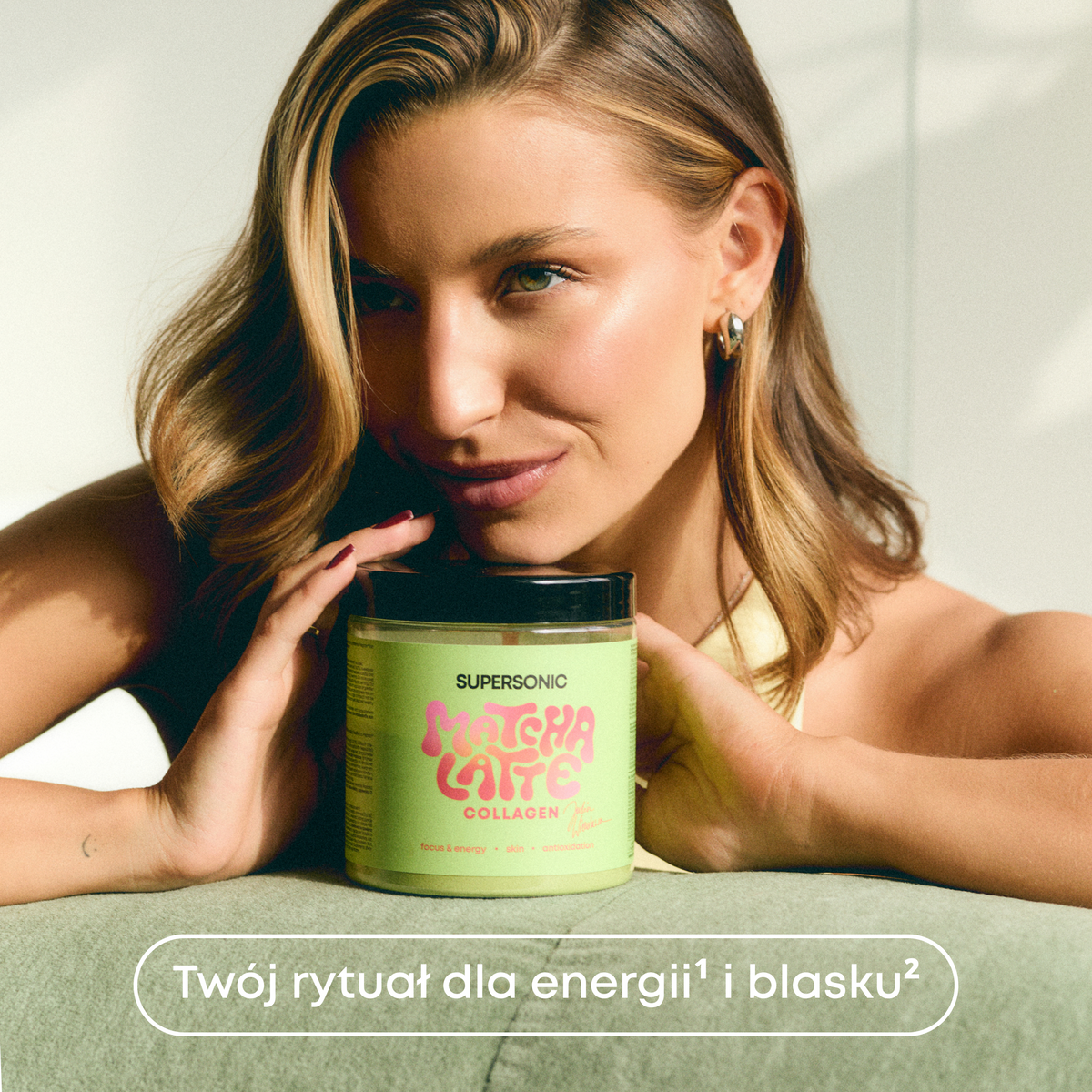
Matcha Latte Collagen
Gotowy napój matcha latte z mlekiem kokosowym i skutecznym kolagenem


