

Matcha and yerba mate are two natural stimulating drinks that provide caffeine, support concentration and improve mental performance, but they differ in their biochemical profile and the nature of their action. Matcha contains caffeine combined with L-theanine, which provides stable, time-spaced stimulation and clear support for concentration. Yerba mate provides caffeine, theobromine and polyphenols, which have a more stimulating effect and increase energy levels faster. These differences translate into different perception of the effect and use in the daily routine. The choice between matcha and yerba mate does not come down solely to the caffeine content, but to its mechanism of action and effect on the nervous system. Both drinks have a strong cultural and functional background, but they respond to different needs related to concentration, work dynamics and lifestyle.
Recommended products

Differences in caffeine content and its effects
Matcha and yerba mate contain caffeine, but their effects are different. In matcha, caffeine is associated with L-theanine, an amino acid that influences alpha waves in the brain and stabilizes arousal. The energetic effect is even and lasts for several hours without a sharp drop in concentration. Yerba mate provides caffeine and theobromine, which stimulates the nervous system and can cause stronger, more direct stimulation. The energy after yerba mate appears faster and is more intense, which for some people means greater motivation to act, and for others excessive stimulation. These differences result from the different composition of plants and the method of consumption. Matcha is consumed entirely as a powder, while yerba mate is an infusion of dried holly leaves, which affects the amount of active compounds supplied.
L-theanine in matcha and the lack of its equivalent in yerba mate
L-theanine is one of the key elements that distinguish matcha from yerba mate. This amino acid increases the activity of alpha waves in the brain, which translates into a state of focused attention without excessive nervous tension. The combination of L-theanine and caffeine improves concentration and reaction time, while reducing the feeling of irritability. Yerba mate does not contain L-theanine, so its action is based mainly on caffeine and theobromine. The effect is more stimulating and dynamic, which is suitable for intense physical exercise or a short-term need for strong stimulation. Matcha better supports long-term mental work requiring stable concentration. This difference determines the nature of the drink and its adaptation to specific situations.
Antioxidant profile and metabolic effects
Matcha is distinguished by its high content of catechins, including EGCG, which have strong antioxidant properties and support the protection of cells against oxidative stress. Yerba mate contains polyphenols and saponins, which also have antioxidant properties and support lipid metabolism. Both drinks have a positive effect on the body's metabolic environment, but the profile of bioactive compounds is different. Matcha provides more chlorophyll and concentrated catechins by consuming the whole leaf in powder form. Yerba mate has a stronger effect in the context of direct energy stimulation and may support physical endurance. The choice depends on the goal - stable concentration support and antioxidant protection are in favor of matcha, while intense stimulation and quick energy mobilization are in favor of yerba mate.
Recommended products


Which drink will work well in your daily routine?
Matching the drink to your daily routine depends on your work style and your body's needs. People who work mentally and require long hours of concentration and stable energy respond better to matcha. Its operation is predictable and does not cause a sudden drop in energy. Yerba mate works well in situations requiring quick mobilization and dynamic action. The intense stimulation profile may be beneficial for physical exertion or short energy-demanding tasks. Both drinks can be part of a healthy lifestyle, but their mechanism of action is different. Conscious choice allows you to avoid excessive stimulation or insufficient energy effect.
What is worth knowing before choosing matcha or yerba mate
Matcha and yerba mate offer natural energy support, but they differ in their dynamics of action and biochemical profile. Matcha provides stability, concentration and a high level of antioxidants. Yerba mate provides quick, intense stimulation. Product quality and moderate consumption are key. The choice should result from the needs of the body, not from a momentary fashion. Both drinks can function in your daily routine as an alternative to coffee, provided they are used consciously.
FAQ – most frequently asked questions
Is yerba mate stronger than matcha?
Yerba mate gives a faster and more intense stimulation, while matcha provides a more stable effect.
Which drink contains more caffeine?
The caffeine content depends on the portion and preparation method, but matcha and yerba mate have a comparable range.
Can you drink both drinks on the same day?
You can, but the total amount of caffeine should be within a safe range.
What is better to choose for mental work?
Matcha better supports long-term concentration thanks to the presence of L-theanine.
Sources:
NIH – Green Tea and Cognitive Function. Camfield D.A. et al. L-theanine and caffeine interaction. Nutritional Neuroscience. Heck C.I., De Mejia E.G. Yerba Mate and metabolic health. Journal of Food Science. EFSA – Scientific opinion on caffeine safety.
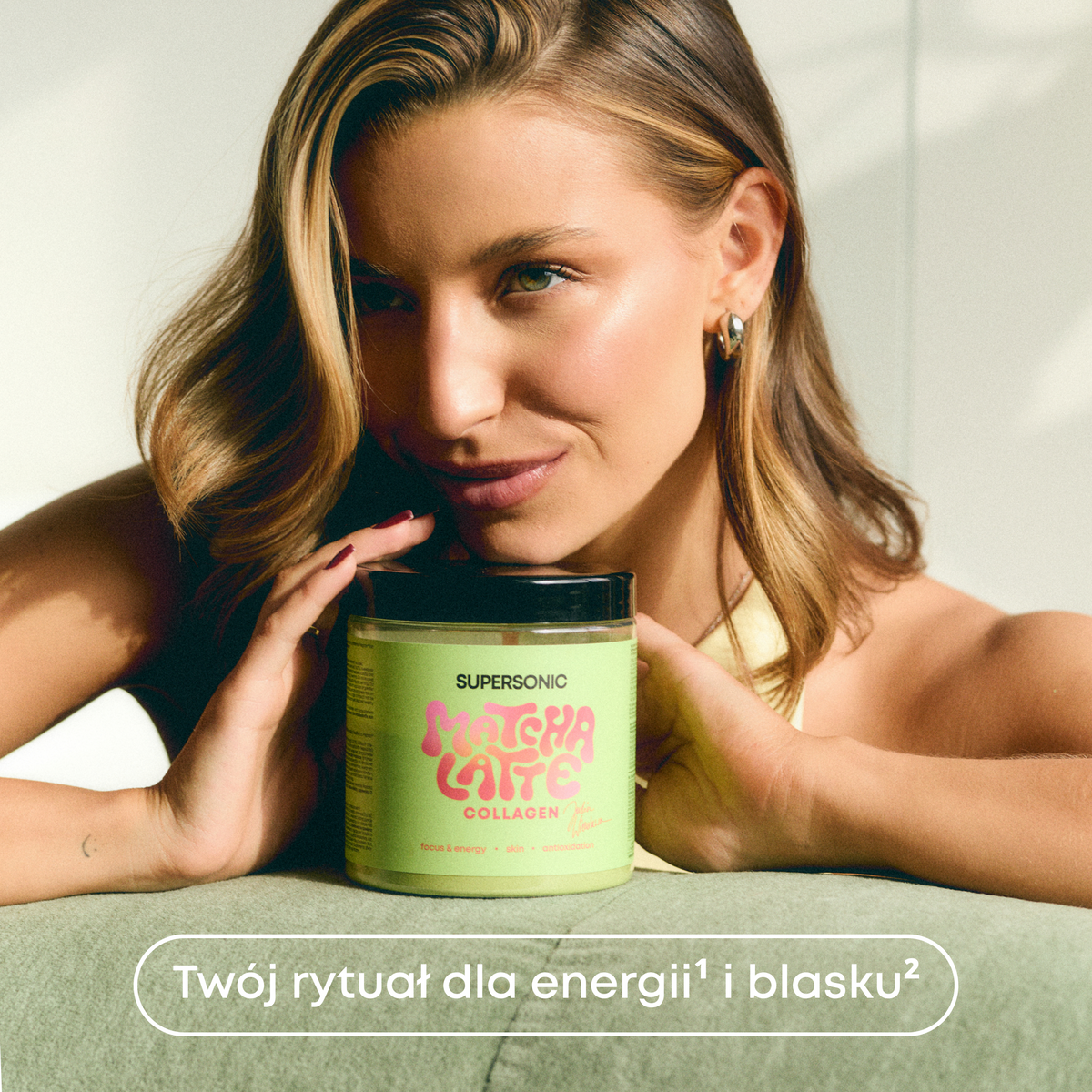
Matcha Latte Collagen
Gotowy napój matcha latte z mlekiem kokosowym i skutecznym kolagenem


