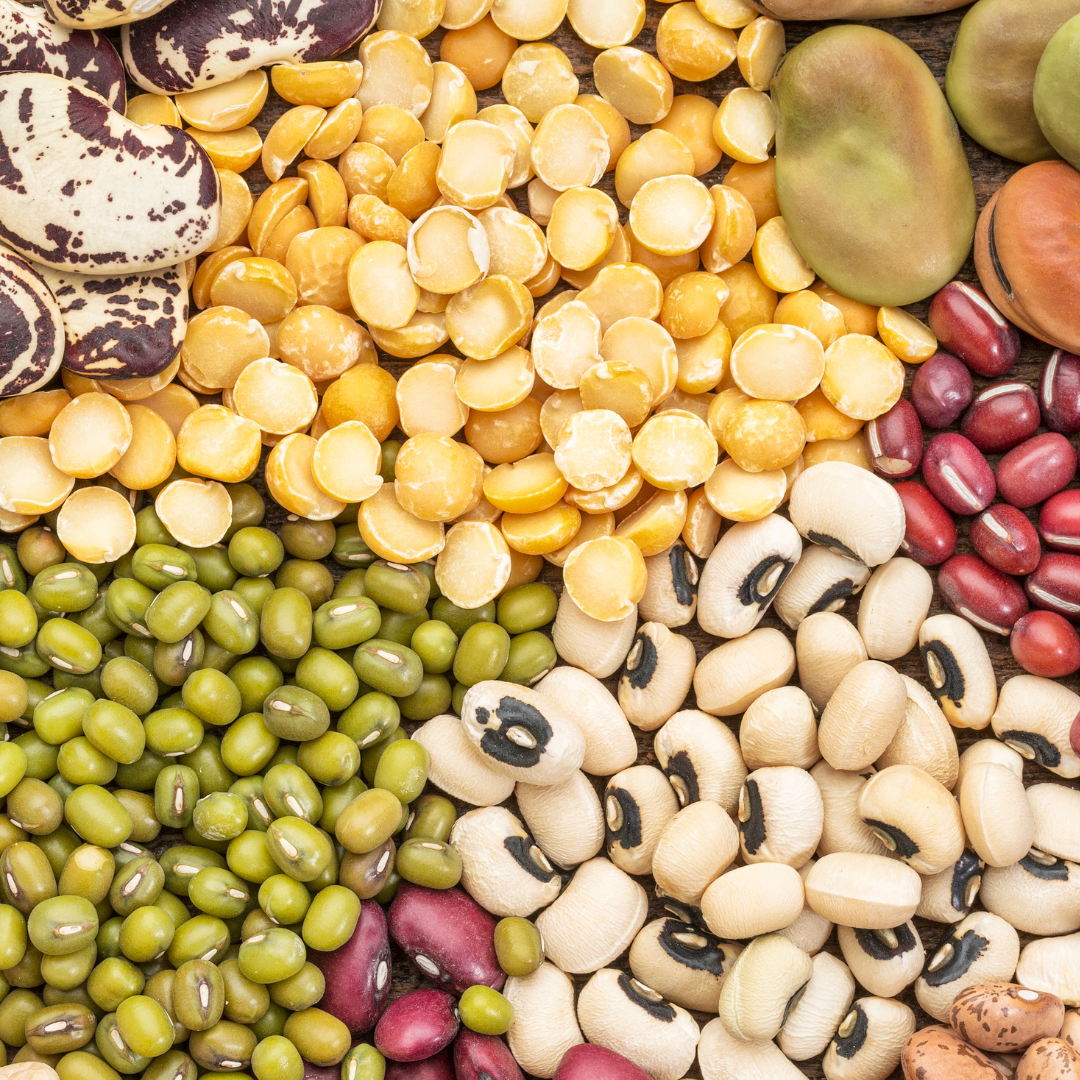

Lentils, one of the oldest cultivated legumes, are becoming increasingly popular among healthy eating enthusiasts. Their versatility, richness of nutrients and numerous health benefits make lentils an ideal ingredient in the diet of health-conscious people. In this article, we will take a closer look at lentils, their properties, different varieties, contraindications and their importance in the diet of vegetarians and vegans.
Lentils - why are they a superfood?
Lentils deserve to be called a superfood thanks to their unique content of protein, fiber, vitamins and minerals. It is a rich source of: Proteins: Lentils provide a large amount of plant protein, which is necessary for the construction and regeneration of tissues. It is an ideal ingredient for vegetarians and vegans. Fiber: The high fiber content supports digestive health by regulating digestion and preventing constipation. Vitamins and minerals: Lentils contain many important vitamins (including B vitamins) and minerals (such as iron, magnesium, phosphorus and zinc) that support various body functions. Low glycemic index: Lentils have a low glycemic index, which means that their consumption does not cause sudden spikes in blood sugar levels, which is beneficial for people with diabetes.Red lentils - properties and uses
Red lentils are one of the most popular varieties. It is quick-cooking and often used in soups, stews and dals. It is characterized by a delicate, slightly sweet taste and is rich in protein and fiber. Thanks to their properties, red lentils are easily digestible and recommended for people with a sensitive digestive system.Green lentils - health benefits
Green lentils have a distinct, slightly nutty flavor and are harder after cooking compared to red lentils. It is an excellent source of protein, fiber, B vitamins, iron and zinc. Eating green lentils can support heart health, regulate blood sugar levels and improve digestion. It is also often used in salads and as an addition to main dishes.Black lentils - how are they different from others?
Black lentils, also known as beluga, stand out for their intense, earthy flavor and unique caviar-like appearance. It is rich in antioxidants that support cell health and protect against oxidative stress. Black lentils are also an excellent source of protein and fiber. Due to its taste and aesthetic value, it is often used in elegant salads and main dishes.Lentils - contraindications and possible factors to avoid
Despite their many health benefits, lentils may not be right for everyone. There are certain contraindications and factors that should be avoided to avoid negative health effects.Contraindications to consuming lentils:
- Digestive problems - People with irritable bowel syndrome (IBS) or other digestive problems may experience bloating and discomfort after eating lentils due to their high fiber and oligosaccharide content.
- Digestive enzyme deficiency - Lentils contain anti-nutritional substances such as phytic acid and trypsin inhibitors, which may hinder the absorption of nutrients and digestion of proteins. Soaking and properly cooking lentils can reduce their content.
How to avoid negative reactions?
- Soaking - Soaking lentils for a few hours (or overnight) before cooking can help reduce their anti-nutrient content and improve their digestibility.
- Gradual introduction to the diet - people sensitive to legumes should gradually introduce lentils into their diet so that the body has time to adapt.
Lentils as a source of protein - benefits for vegetarians and vegans
Lentils are one of the best sources of vegetable protein, which makes it an extremely important component of a vegetarian and vegan diet. Lentils contains about 25-30% protein, which is especially important for people who do not consume meat or animal products. Although lentils do not contain all the necessary amino acids in the right proportions, its combination with other sources of vegetable protein (e.g. rice, corn) can provide a full amino acid profile.Is lentils healthy? Analysis of nutritional value and importance for the diet
Lentils are not only a source of protein, but also a rich source of many other nutrients that support health at different levels.Analysis of nutritional values
- Protein: As already mentioned, lentils are rich in protein, which is crucial for tissue structure and regeneration.
- Fiber: High fiber content helps in digestion regulation, preventing constipation and supporting bowel health.
- Vitamins and minerals: Lentils provide important B vitamins (including folic acid), vitamin A, vitamin K, and minerals such as iron, magnesium, phosphorus, potassium and zinc.
- Antioxidants: Lentils contains antioxidants that help protect cells against oxidative stress.
The importance of lentils for the diet
- Heart health: Consumption of lentils can support heart health by lowering cholesterol and blood pressure regulation.
- Weight control: Thanks to the high content of fiber and protein, lentils can help maintain the feeling of satiety, which is beneficial for weight control.
- Blood sugar level adjustment: Lentils have a low glycemic index, which helps in stabilizing blood sugar and can be beneficial for people with diabetes.
Summary
Lentils are an extremely valuable component of a diet that provides protein, fiber, vitamins and minerals. Its various varieties offer a wide spectrum of culinary applications and health benefits. Regular consumption of lentils can support heart health, digestive system, weight control and blood sugar levels. Although lentils have many benefits, people with digestive problems should be careful and prepare it properly. Lentils are particularly valued in a vegetarian and vegan diet as an excellent source of vegetable protein.Sources
Campos-Vega, R., Loarca-Piña, G., & Oomah, B. D. (2010). Minor Components of Pulses and Their Potential Impact on Human Health. Food Research International, 43 (2), 461-482. Mitchell, D. C., Lawrence, F. R., Hartman, T. J., & Curran, J. M. (2009). Consumction of Dry Beans, Peas, and Lentils Could Improve Diet Quality in the US Population. Journal of the American Dietetic Association, 109 (5), 909-913. Dahl, W. J., Foster, L. M., & Tyler, R. T. (2012). Review of the Health Benefits of Peas (Pisum Sativum L.). British Journal of Nutrition, 108 (S1), S3-S10.
Dietician
Karolina Dobrowolska-Zrałka
doktor nauk medycznych i nauki o zdrowiu, dietetyk kliniczny Absolwentka studiów I i II stopnia na kierunku dietetyka oraz doktorantka w Szkole Doktorskiej Uniwersytetu Medycznego we Wrocławiu
Więcej artykułów autoraLooking for a nutritious and filling meal?
Discover Supersonic Smart Meal! A nutritious meal you can prepare in seconds!

150 reviews


