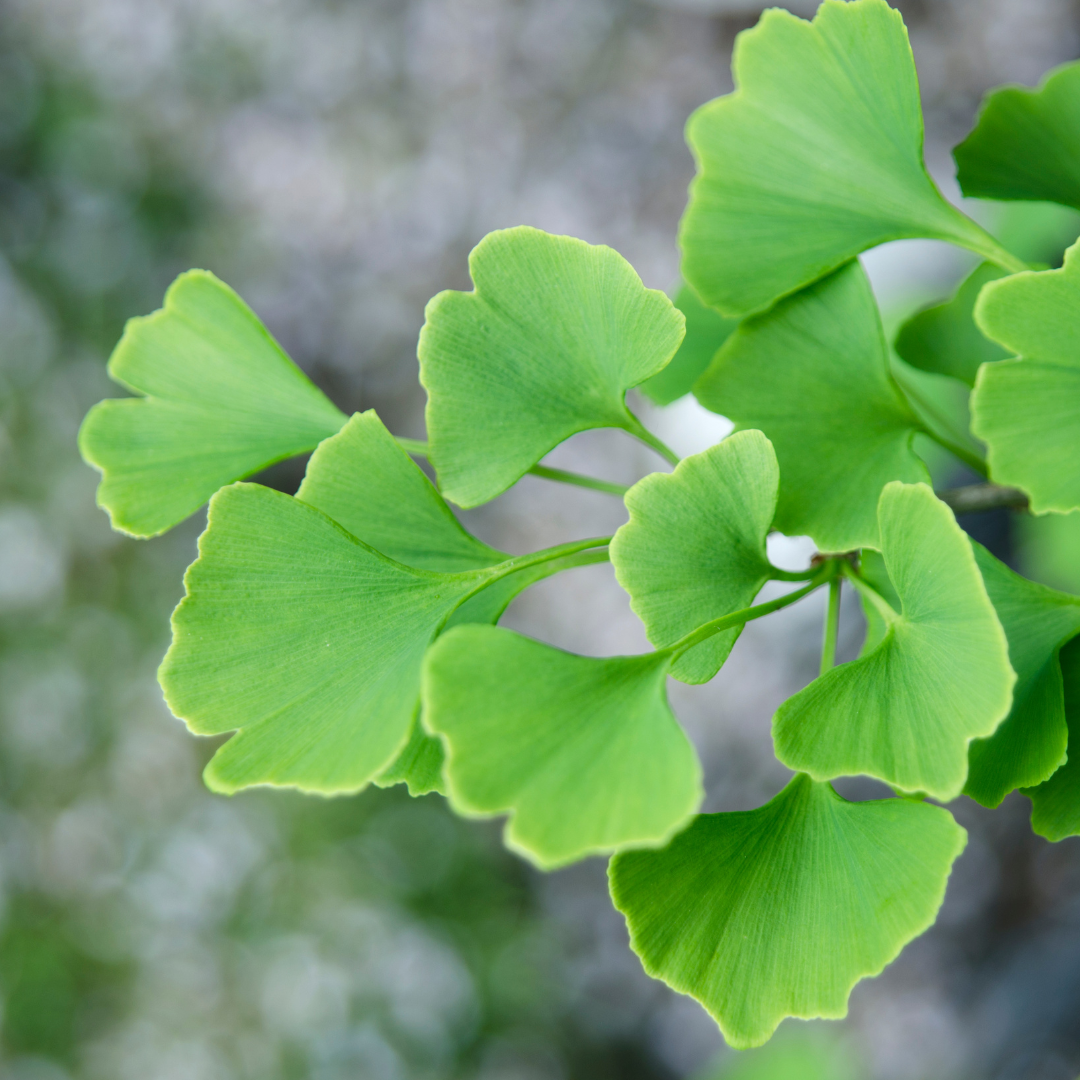

Ginkgo Biloba, also known as Japanese ginkgo, is one of the oldest species of trees in the world. Its leaves have been used in medicine for thousands of years, especially in traditional Chinese medicine. Modern research confirms that Ginkgo Biloba can bring many health benefits, especially in terms of improving cognitive functions and circulatory functions. In this article, we will take a closer look at its properties, applications and potential contraindications.
Ginkgo Biloba - what are his potential health benefits?
Ginkgo Biloba is valued for its numerous health properties, which result from a high content of active ingredients, such as flavonoids and terpehenoids. These compounds have strong antioxidant properties, which means that they can neutralize free radicals and reduce oxidative stress in the body.- Improving cognitive functions - Numerous studies suggest that Ginkgo Biloba can improve memory, concentration and general cognitive functions. This is particularly beneficial for the elderly and those who suffer from dementia or Alzheimer's disease.
- Circulatory support - Ginkgo Biloba can improve blood circulation, which is beneficial to heart and brain health. Improving circulation can also help reduce the symptoms of cold hands and feet.
- Reduction of anxiety symptoms - Some studies indicate that ginkgo may have anxiety, which can be helpful for people suffering from anxiety disorders.
- Anti -inflammatory properties - It also has a potential anti -inflammatory effect, which can help to alleviate inflammation in the body.
Ginkgo biloba - contraindications and situations in which caution should be exercised
Although Japanese ginkgo has many health benefits, there are some contraindications and situations in which its use may be inadvisable.Contraindications and situations that require caution
- Pregnancy and breastfeeding - pregnant and breastfeeding women should avoid using Ginkgo Biloba, because its impact on fetal and newborn development is not sufficiently studied.
- Blood coagulation disorders - Japanese ginkgo billet can affect blood clotting, which may increase the risk of bleeding. People taking anticoagulants such as warfarin should consult a doctor before starting supplementation.
- Planned operations - due to the potential risk of bleeding, it is recommended to stop using at least two weeks before the planned operation.
- Allergies - some people may be allergic to Japanese ginkgoes, which may be manifested by allergic reactions such as skin rashes, itching or breathing difficulties.
Japanese licker - healing properties and use in natural medicine
Ginkgo biloba (ginkgo biloba) has long been used in natural medicine, especially in traditional Chinese medicine. Its leaves contain numerous bioactive compounds that contribute to his wide spectrum of therapeutic activity. The compounds contained in Ginkgo Biloba leaves have strong antioxidant properties that help protect cells from damage to free radicals. Ginkgo biloba can support brain health, improving blood flow to the brain and supporting cognitive functions. Ginkgo Biloba has anti -inflammatory properties that can help to alleviate inflammation in the body. In addition, Ginkgo Biloba can improve blood circulation, which is beneficial to the health of the heart and brain.
Japanese ginkgo bilob has been used in natural medicine for centuries, where it is traditionally used to improve memory and cognitive functions. It is also used to treat dizziness and tinnitus, alleviating symptoms related to cardiovascular problems. In addition, Japanese ginkgo bilob supports the treatment of asthma and allergies, thanks to its anti -inflammatory properties, which brings relief to people suffering from these ailments.
The action of the Ginkgo Japanese - how does it affect the body?
Its effect on the body is versatile, including both neuroprotective and cardiovascular mechanisms. The active compounds, such as flavonoids and terpenoids, have a significant impact on health. Ginkgoop works by improving blood flow, which increases the supply of oxygen and nutrients to the cells. Its antioxidant properties help protect cells from damage to free radicals. It also has anti -inflammatory, which can reduce inflammation in the body.Influence on systems and organs
Brain: Improves blood circulation in the brain, which supports cognitive functions, memory and concentration. It can also be neuroprotective, protecting nerve cells from damage. Heart: Supports heart health by improving blood circulation and lowering cholesterol. Circulatory system: Improves the elasticity of blood vessels and reduces the risk of blood clots.Therapeutic effects
- Improving cognitive functions - Japanese ginkgo bilob can support memory and concentration, which is beneficial for the elderly and those who suffer from dementia.
- Reduction of anxiety symptoms - may have anxiety soothing, which is helpful for people suffering from anxiety disorders.
- Circulation improvement - it can reduce the symptoms of cold hands and feet by improving blood circulation.
Japanese ginkgo history and origin
The Ginkgoan Japanese has a long and fascinating history, reaching over 270 million years. It is one of the oldest living species of trees, often called "living fossil". It comes from China, where it has been used in traditional medicine for centuries.History of use
- Ancient China: Ginkgo leaves were used to treat various ailments, including breathing, circulation and memory problems.
- Japan and Korea: Ginkgo tree is also valued in Japanese and Korean cultures, where it is planted in temples and gardens as a symbol of longevity and perseverance.
Botanical aspects
- Appearance: Japanese ginkgo bilob is a large tree that can reach a height of up to 35 meters. It has characteristic fan -shaped leaves that change color in autumn.
- Cultivation: The ginkgo tree is resistant to pollution and diseases, which makes it popular in urban crops.
Summary
Ginkgo Biloba, also known as the Japanese licker, is an extremely valuable herb with numerous health benefits. Its antioxidant, neuroprotective and anti -inflammatory properties make him a valuable addition to diet and natural medicine. It helps improve cognitive functions, supports circulation and can alleviate the symptoms of anxiety. However, it is important to use it in moderation and be aware of potential contraindications. Choosing the right preparation and compliance with the recommended dosage are crucial for obtaining full health benefits.Sources
Smith, J. V., & Luo, Y. (2004). 'Studies on Molecular Mechanisms of Ginkgo Biloba Extract.' Applied microbiology and biotechnology. Weinmann, S., Roll, S., Schwarzbach, C., Vauth, C., & Willich, S. N. (2010). 'Effects of ginkgo biloba in Dementia: Systematic review and met-analysis.' BMC Geriatrics. Mahadevan, S., & Park, Y. (2008). 'MultiFaceted Therapeutic Benefits of Ginkgo Biloba L.: Chemistry, Efficacy, Safety, and Uses.' Journal of Food Science. Kleijnen, J., & Knipschild, P. (1992). 'Ginkgo Biloba for Cerebral Insufficcy.' British Journal of Clinical Pharmacology.
Dietician
Karolina Dobrowolska-Zrałka
doktor nauk medycznych i nauki o zdrowiu, dietetyk kliniczny Absolwentka studiów I i II stopnia na kierunku dietetyka oraz doktorantka w Szkole Doktorskiej Uniwersytetu Medycznego we Wrocławiu
Więcej artykułów autoraLooking for a nutritious and filling meal?
Discover Supersonic Smart Meal! A nutritious meal you can prepare in seconds!

150 reviews
![Ranking kreatyny [2026] - TOP 10 produktów, które warto znać](http://supersonicfood.com/cdn/shop/articles/kreatyna-ranking_c1a64d3a-0854-4df3-8a54-c034300baab7.jpg?format=webp&v=1786623654&width=1100 "Ranking kreatyny [2026] - TOP 10 produktów, które warto znać")


