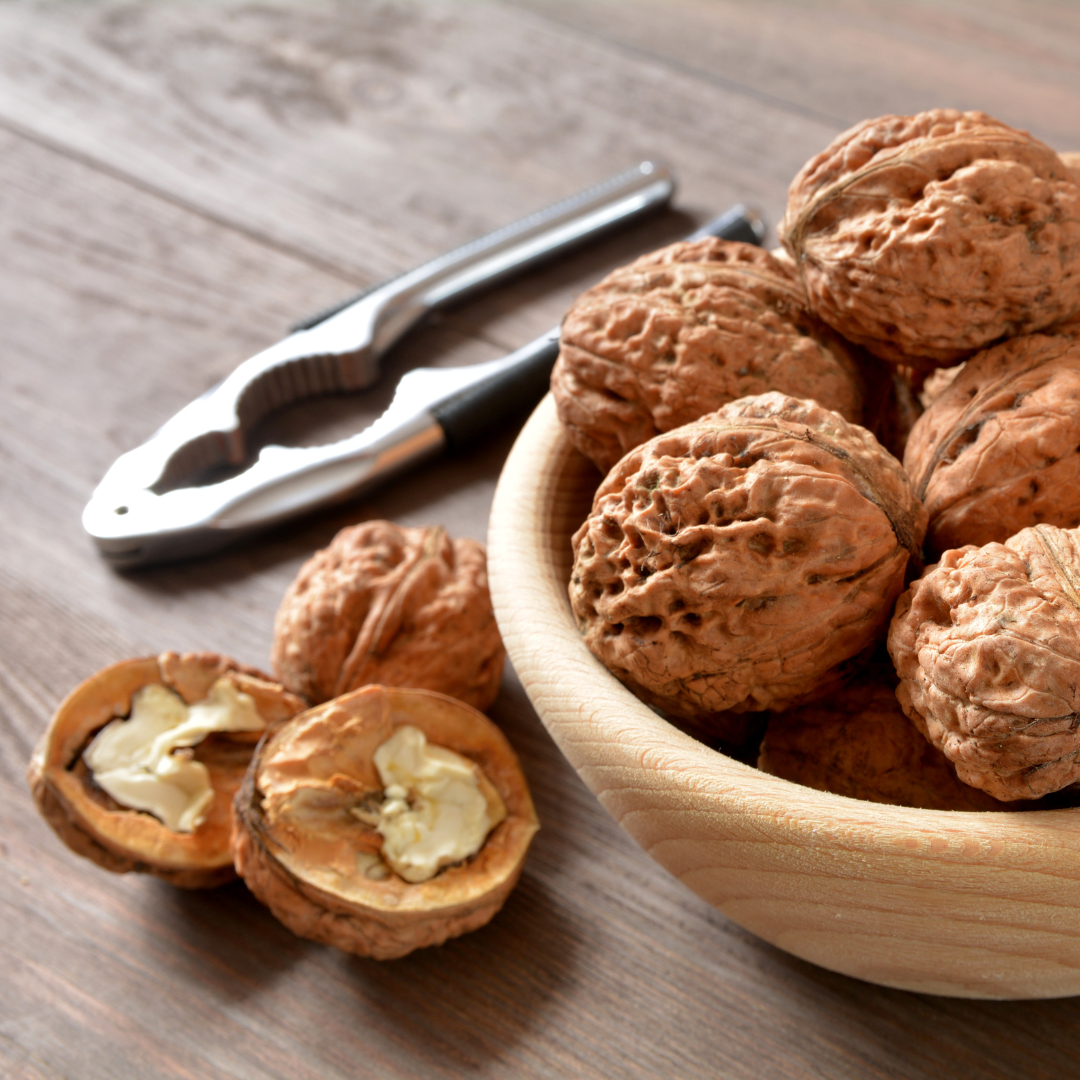

Walnuts, also called Juglans Regia, have been very popular for centuries not only because of their excellent taste, but also because of numerous health benefits. These small, brown nuts are rich in essential fatty acids, vitamins, minerals and antioxidants, which makes them one of the most valuable superfoods.
Walnuts - a wealth of nutrients and their health benefits
Walnuts are extremely rich in nutrients that are important to our health. They are an excellent source of omega-3 fatty acids, especially alpha-linolenic acid (ALA), which is an essential unsaturated fatty acid. In addition, walnuts contain protein, fiber, vitamins (B vitamins, vitamin E) and minerals (magnesium, potassium, zinc).Strengthening
Regular consumption of walnuts can help reduce LDL cholesterol and increase HDL cholesterol, which has a positive effect on heart health. The content of omega-3 acids also supports the reduction of inflammation in blood vessels.Improving brain function
Walnuts are rich in antioxidants and fatty acids that support brain health, improving cognitive memory and functions.Support of the immune system
Thanks to the high content of antioxidants such as vitamin E, walnuts help protect cells against oxidative stress, supporting the immune system.Slimming support
Although walnuts are caloric, studies show that they can support weight loss by increasing the feeling of satiety and controlling appetite.Walnuts and diabetes - how do they affect blood sugar levels and what are the recommendations for people with diabetes?
Walnuts can be particularly beneficial for people with type 2 diabetes due to their impact on blood glucose and insulin sensitivity. They contain fiber, protein and healthy fats that help stabilize blood sugar levels.The impact of walnuts on diabetes
- Improving insulin sensitivity: Studies indicate that consuming walnuts can improve insulin sensitivity, which is crucial for people with type 2 diabetes.
- Glucose level control: Due to the low content of carbohydrates and the high content of healthy fats, walnuts do not cause rapid growth of blood sugar levels, which helps in its stabilization.
- Risk reduction: Regular consumption of walnuts can help reduce the risk of diabetes complications such as heart disease and neuropathy.
Are walnuts healthy?
Walnuts are considered one of the healthiest nuts in the world. Thanks to its rich content of nutrients and numerous health benefits, they are a valuable element of a healthy diet. Studies indicate that consuming walnuts can improve insulin sensitivity, which is crucial for people with type 2 diabetes. Thanks to the low carbohydrate content and high healthy fats, walnuts do not cause rapid increases in blood sugar levels, which helps in its stability. Regular consumption of walnuts can also help reduce the risk of diabetes complications such as heart disease and neuropathy. For people with diabetes, it is recommended to consume moderate amounts of walnuts as a part of a balanced diet. It is important to control the size of the portion to avoid excessive calorie intake. Walnuts can be easily included in the daily diet. They can be consumed as a healthy snack, added to salads, yogurt, porridge or used as a baking ingredient. It is worth remembering that although walnuts are caloric, their regular consumption in moderate amounts brings numerous health benefits.Walnuts - contraindications and situations in which caution should be exercised
Despite numerous health benefits, there are situations in which the consumption of walnuts may be inadvisable or required caution.Contraindications and situations that require caution
- Allergies - walnuts can cause allergic reactions in some people. Allergy symptoms may include rash, itching, swelling, and in extreme cases anaphylaxis. People with nuts should avoid consuming walnuts.
- Gastrointestinal problems - In some people, walnuts can cause digestive problems such as flatulence, diarrhea or abdominal pain. In such cases, it is recommended to reduce consumption or consult a doctor.
- Excessive consumption - Due to the high caloric content, excessive consumption of walnuts can lead to weight gain. It is recommended to consume moderate amounts to enjoy health benefits without the risk of excessive weight gain.
Walnuts - nutritional values and their role in the daily diet
Walnuts are characterized by a high nutritional value, which makes them a valuable component of a healthy diet. They are one of the best sources of vegetable omega-3 fatty acids that support heart and brain health. They contain high -quality protein, necessary for the structure and regeneration of tissues, and fiber, which supports the health of the digestive system, improving intestinal peristalsis and preventing constipation. In addition, walnuts are rich in B vitamins, vitamin E, magnesium, potassium and zinc, which support different functions of the body. Walnuts can be comprehensively used in the kitchen. They can be consumed raw, roasted, added to salads, yogurt, porridge or used as a baking ingredient. Regular consumption of walnuts can contribute to improving the health of the heart, brain and digestive system.Summary
Walnuts are an extremely valuable element of a healthy diet. Rich in Omega-3 fatty acids, protein, fiber, vitamins and minerals, offer numerous health benefits, including support for heart, brain and digestive health. Despite numerous advantages, there are some contraindications, which is why it is important to eat them in moderation and a conscious approach to your own health. Regular incorporation of walnuts in the daily diet can bring long -term health benefits and improve the quality of life.Sources
Ros, E. (2010). 'Health Benefits of Nut Consumption.' Nutrients. Sabaté, J., & Ang, Y. (2009). 'Nut consumption and blood lipid levels: a Poaled Analysis of 25 intervention trials.' Archives of internal medicine. Davis, P. A., & Valacchi, G. (2010). 'Asthma and the Antioxidant Properties of Walnut Oil.' International Journal of Molecular Sciences. Tapsell, L. C., Gillen, L. J., Patch, C. S., Batterham, M., Owen, A., Bare, M., & Kennedy, M. (2004). 'Including Walnuts in a low-Fat/modified-Fat diet Improves HDL cholesterol-to-total cholesterol Ratios in patients with type 2 diabetes.' Diabetes care.
Dietician
Karolina Dobrowolska-Zrałka
doktor nauk medycznych i nauki o zdrowiu, dietetyk kliniczny Absolwentka studiów I i II stopnia na kierunku dietetyka oraz doktorantka w Szkole Doktorskiej Uniwersytetu Medycznego we Wrocławiu
Więcej artykułów autoraLooking for a nutritious and filling meal?
Discover Supersonic Smart Meal! A nutritious meal you can prepare in seconds!

150 reviews
![Ranking kreatyny [2026] - TOP 10 produktów, które warto znać](http://supersonicfood.com/cdn/shop/articles/kreatyna-ranking_c1a64d3a-0854-4df3-8a54-c034300baab7.jpg?format=webp&v=1786623654&width=1100 "Ranking kreatyny [2026] - TOP 10 produktów, które warto znać")


