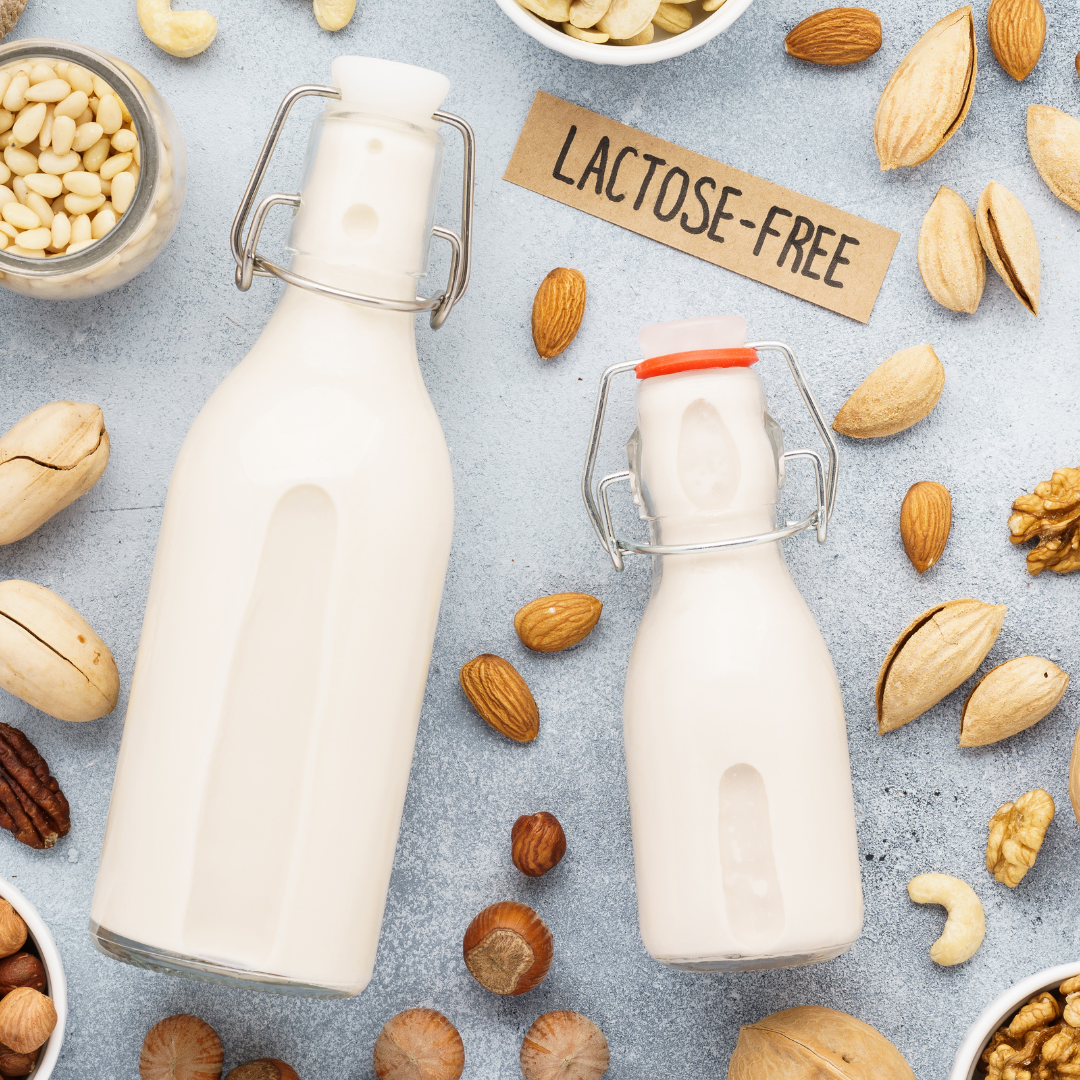

More and more people consciously give up products containing lactose in an attempt to improve their well-being and health. This decision may be dictated by both digestive problems and growing awareness of individual nutritional needs.
Lactose free - what does it mean?
The lactose-free diet is becoming more and more popular, but before endorsing it, it is worth understanding what exactly it means. Lactose is a disaccharide occurring naturally in milk and milk products. As a result, the degradation of the body depends on the action of the lactase enzyme, which has been preserved in the body. Health problems arise when there is insufficient production of this enzyme, leading to lactose intolerance.What is lactose?
Lactose is a disaccharide (disaccharide) composed of two monosaccharides: glucose and galactose. It is the main carbohydrate found in the milk of mammals, including humans. During digestion, lactose is broken down into glucose and galactose by the enzyme lactase, which is produced by the mucosal cells of the small intestine. In the absence or deficiency of lactase, lactose cannot be properly digested and absorbed, leading to various health problems. Lactose intolerance - symptoms and recommendations Lactose intolerance occurs when the body is unable to fully digest the lactose contained in the products we eat. The most common symptoms of lactose intolerance are:- Stomachache
- Bloating
- Gases
- Diarrhea
- Nausea
Who should follow a lactose-free diet?
A lactose-free diet is common among people who suffer from lactose intolerance. The condition may be congenital or acquired, and its semen may vary depending on the degree of lactase deficiency. Risk groups that should have had a lactose-free diet- People with lactase deficiency - lactose intolerance can be genetically inherited and manifests itself in the desire to have it.
- Adult women with acquired lactose intolerance - In some adults, lactase production naturally decreases with age, leading to problems digesting lactose.
- People after surgery on a slimming diet - these effects may be related to the production of lactose, which leads to secondary lactose intolerance.
- Patients with digestive system diseases, such as celiac disease or Crohn's disease - these diseases can remove bacterial enzymes, including lactase, and lead to the inability to digest lactose.
Lactose-free diet - what to eat?
A lactose-free diet involves eliminating or limiting the consumption of products containing lactose. To balance your diet, it is worth paying special attention to the sources of proteins, calcium and vitamins. An alternative to traditional milk can be plant-based drinks, such as almond, soy or rice milk, which are often enriched with additional calcium and vitamins. Leafy vegetables, tofu and nuts are also excellent sources of calcium. In addition, meat, fish, eggs and legumes provide essential proteins that help maintain a balanced diet.Lactose-free products - list
Products that are safe to eat on a lactose-free diet- Plant milk - soy, almond, rice, coconut milk
- Lactose-free dairy products - yogurts, cheeses and milk marked as "lactose-free"
- Meat and fish - beef, poultry, fish, eggs
- Vegetables and fruits - all fresh, frozen and dried vegetables and fruits
- Cereal products - bread, pasta, rice, cereal, cereal
- Nuts and seeds - almonds, walnuts, chia seeds, flax seeds
- Dairy products - tofu, tempeh
Recipes for meals without lactose
Here are some suggestions for flavors and healthy meals without lactose:Proposal 1
Breakfast - oatmeal on almond milk with fruit (banana, blueberries) and chia seeds. Lunch - grilled chicken with vegetables and brown rice. Dinner - quinoa salad, avocado, tomatoes and grilled salmon. Dessert - Coconut yogurt with delicate fresh raspberries and nuts.Proposal 2
Breakfast - smoothie made of coconut milk, spinach, banana and peanut butter Lunch - green curry with tofu and vegetables served with jasmine rice Dinner - Greek salad with tofu Dessert - chia pudding with almond milk and fruitProducts without lactose - replacements for dairy products
There are many products on the market that can be associated with traditional dairy products. Some of them:Soy and almond milk
They are excellent substitutes for cow's milk, rich in protein and necessary American amino acids.Plant yogurt
Based on soy, coconut or almond milk. There are only one great sources of probiotics.Vegetable cheese
Made of nuts such as cashews or almonds. They are often enriched with calcium and vitamin B12.Peanut butter
An alternative to traditional butter, great for lubricating bread or as an addition to dishes.Health benefits for lactose diet
Changing the diet to a lactose -free not only controls the symptoms of lactose intolerance, but can also bring other health benefits. The elimination of dairy products often leads to a beneficial effect on cardiovascular health. It can also lead to an improvement in the quality of life by searching for gastric symptoms such as flatulence and diarrhea.Diet without lactose and deficiencies
Without proper planning, such a diet can lead to deficiencies of some nutrients. Milk and its products are the main sources of calcium in the diet, so it is worth including calcium -rich products in the menu, such as green leafy vegetables, tofu, nuts, sesame seeds, almonds and enriched vegetable milk, e.g. almond or soy milk. Milk is often enriched with vitamin D, which cares for healthy bones. People on a non -lactose -free diet should be particularly considered their demand for this vitamin by taking appropriate supplements or increasing the consumption of fatty fish such as salmon or mackerel, and eggs. Milk and its preserves are also a good source of protein, so it is worth introducing alternatives to the diet, such as legumes, nuts, seeds and soy products, such as tofu or tempeh. Vitamin B12 is present mainly in animal products, so people eliminating dairy animal products should consider vitamin B12 supplementation or consumption of enriched products, for example some breakfast flakes or vegetable milk. It is also important that the elimination of dairy products is associated with the introduction of healthy, varied meals to maintain nutritional balance.Summary
Diet without lactose is a necessity for people suffering from lactose intolerance. Diagnosis of symptoms and the scope of diagnostic tests are crucial for proper treatment with this disease. Rich in protein sources, lime and vitamin, lactose -free diet can be balanced and healthy. Products without lactose, such as vegetable milk, dairy products without lactose and numerous substitutes for dairy products, are a great solution for maintaining spiritual stability.Source:
Lomer, Mce, Parks, GC and Sanderson, JD (2008). Review article: Lactose intolerance in clinical practice - myths and reality. Pharmacology & Therapeutics maintenance, 27 (2), 93-103. Suchy, FJ, Brannon, PM, Carpenter, It, Fernandez, JR, Gilsanz, V., Gould, JB, ... & Wolf, MA (2010). Nih consensus conference: lactose intolerance and health. The American Journal of Clinical Nutrition, 91 (5), 1293S-1297S. Misselwitz, B., Butter, M., Verbeke, K. and Fox, MR (2019). Update on poor absorption and lactose intolerance: pathogenesis, diagnostics and clinical treatment. Gut, 68 (11), 2080-2091.
Dietician
Karolina Dobrowolska-Zrałka
doktor nauk medycznych i nauki o zdrowiu, dietetyk kliniczny Absolwentka studiów I i II stopnia na kierunku dietetyka oraz doktorantka w Szkole Doktorskiej Uniwersytetu Medycznego we Wrocławiu
Więcej artykułów autoraLooking for a nutritious and filling meal?
Discover Supersonic Smart Meal! A nutritious meal you can prepare in seconds!

150 reviews


