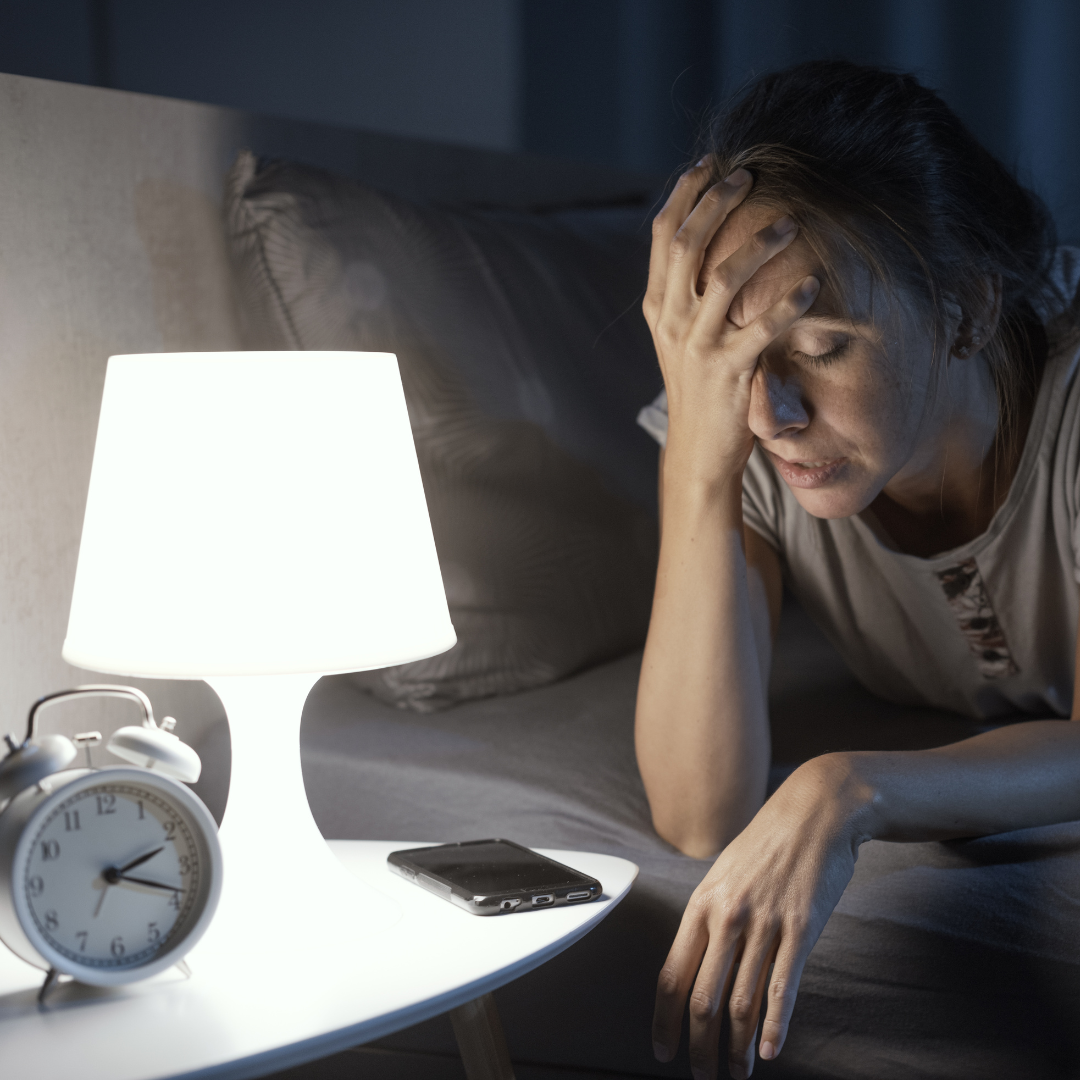

Insomnia, also known as Insomnia, is one of the most common sleep disorders that can affect anyone, regardless of age or lifestyle. Inability to fall asleep, wake up at night or too early morning awakening can lead to chronic fatigue and significantly reduce the quality of life. In this article, we will discuss exactly what insomnia is, what are its types, causes, symptoms and treatment methods that can help you regain healthy and regenerating sleep.
What is insomnia?
Insomnia, also known as Insomnia, is one of the most common sleep disorders, which is characterized by difficulties in falling asleep, sleeping or too early awakening, which leads to insufficient rest and feeling of fatigue during the day. In medicine, insomnia is defined as a subjective feeling of insufficient quantity or quality of sleep, which occurs despite the appropriate sleeping conditions. Insomnia can be chronic when it persists for a longer period, or short -lived, associated with temporary difficulties, such as stress or change in the environment. Regardless of the form, insomnia significantly affects the quality of life, causing problems with concentration, mood and overall functioning during the day.Types of insomnia
Insomnia can be divided into different types, depending on the duration and the causes of its occurrence. There are three main categories:- Chronic insomnia - This is a form of insomnia that lasts at least three times a week for at least three months. The causes can be multifactorial, including chronic stress, somatic diseases, mental disorders or prolonged use of psychoactive substances. Chronic insomnia often requires a comprehensive therapeutic approach, combining pharmacotherapy with behavioral techniques.
- Short -term insomnia (transient) - This form of insomnia lasts from several days to several weeks and is often associated with specific stressful situations, such as loss of work, family problems, or other stressful events. It usually gives way to spontaneously when the stressful situation stabilizes.
- Ania indoor - This is the mildest form of insomnia that lasts from one to a few nights. It can be caused by a changed sleep rhythm, traveling through time zones (jet lag) or sudden stress. Although it is short -lived, it can be burdensome, especially when it is repeated in certain circumstances.
Insomnia - causes
The causes of insomnia are varied and can include both biological, psychological and environmental factors. Insomnia often results from the combination of these factors, which hinders its treatment and management. Stress and anxiety disorders are one of the most common causes of insomnia. High levels of cortisol, stress hormone, hinders falling asleep and can lead to frequent waking up at night. Sleep problems are also common in people suffering from mental disorders, such as depression or anxiety disorders, where sleep becomes intermittent or insufficiently deep. Environmental factors also play a significant role in the formation of insomnia. Incorrect conditions in the bedroom, such as noise, too high or low temperature, uncomfortable bed, as well as excessive exposure to light, especially from electronic devices screens, can interfere with the natural rhythm of sleep. Somatic diseases such as chronic pain, gastrointestinal reflux (GERD), cardiovascular disease or hormonal disorders (e.g. hyperthyroidism), can also lead to difficulty falling asleep or keep sleep. The use of psychoactive substances, including alcohol, caffeine, nicotine and some drugs, can significantly affect the rhythm of sleep and standby, leading to problems falling asleep and maintaining sleep continuity.Insomnia - symptoms
Insomnia is manifested by a variety of symptoms that affect both the quality of sleep and functioning during the day. The most typical symptom is difficulty falling asleep, which often lasts longer than 30 minutes each night. Another common symptom are frequent waking up at night, which lead to intermittent sleep and difficulty falling asleep. People suffering from insomnia often report excessive drowsiness during the day, despite seemingly enough sleep, which leads to reduced concentration, a decrease in efficiency and increased risk of accidents. Even after a full night of sleep, patients may feel tired and lack of energy, which significantly hinders daily functioning. Sleep disorders can also negatively affect cognitive functions, leading to problems with memory, concentration and decision making. In addition, mood fluctuations, increased irritability are common, and in some cases even the development of depression or anxiety.The effects of insomnia - health consequences
Prolonged insomnia can have serious consequences for physical and mental health. Lack of sleep affects the functioning of the whole body, increasing the risk of a number of chronic diseases. Metabolic disorders such as obesity or type 2 diabetes are common consequences of chronic insomnia. The risk of cardiovascular disease, such as hypertension, heart attack or stroke, is also increasing. Insomnia also negatively affects the immune system, reducing its ability to fight infections. In a mental aspect, long -term insomnia is strongly associated with the development of depression, anxiety and other mental disorders. Chronic lack of sleep also leads to a decrease in cognitive abilities, such as concentration, memory and decision making, which translates into a decrease in the quality of life and everyday functioning.Methods for treating insomnia
Treatment of insomnia depends on its causes, severity of symptoms and individual needs of the patient. There are many therapeutic strategies that can help manage insomnia and improve sleep quality.Drugs for insomnia
In some cases, doctors may prescribe sleeping pills or other pharmacological agents that help fall asleep and keep sleep. The most commonly used drugs include benzodiazepines, sleeping pills from the group of Noneniazepine agonists of GABA receptor agonists, as well as melatonin, which regulates the daily rhythm. However, it is important to use pharmacotherapy with caution, taking into account the risk of addiction and side effects.Home remedies for insomnia
In many cases, insomnia can be effectively managed with non -pharmacological methods that support a healthy sleep. Sleep hygiene is an important element, including a regular sleep schedule, avoiding stimulants before bedtime, as well as ensuring adequate conditions in the bedroom, such as a comfortable bed, optimal temperature and lack of noise. Relaxation techniques, such as meditation, deep breathing or progressive muscle relaxation, can help you calm down before bedtime and reduce stress. Physical activity also plays an important role in improving the quality of sleep, but you should avoid intensive exercises immediately before bedtime.Prophylaxis of insomnia
Preventing insomnia is based on implementing healthy habits related to sleep and daily functioning. It's important to maintain a regular sleep schedule, which helps stabilize your circadian rhythm. You should avoid stimulants such as caffeine, nicotine and alcohol in the hours before bed because they can interfere with the falling asleep process. Creating appropriate conditions in the bedroom, such as a comfortable bed, silence and optimal temperature, promotes deep and regenerative sleep. It is also a good practice to limit exposure to electronic device screens an hour before bedtime, as the light they emit may interfere with the production of melatonin. Introducing relaxation routines such as reading, meditation or a warm bath before bed also help calm the body and prepare it for sleep.Summary
Insomnia, also known as insomnia, is a common and serious sleep disorder that can significantly reduce quality of life and lead to serious health problems. Understanding the causes, symptoms and effects of insomnia is important for its effective treatment and prevention. By using appropriate treatment methods, both pharmacological and non-pharmacological, you can significantly improve your sleep quality and overall well-being. It is also worth remembering the importance of prevention, which can help prevent insomnia and maintain healthy, restorative sleep.Sources
Morin, C. M., & Benca, R. (2012). Protect insomnia. The Lancet, 379(9821), 1129-1141. American Academy of Sleep Medicine. (2014). International classification of sleep disorders. American Academy of Sleep Medicine. Roth, T. (2007). Insomnia: definition, prevalence, etiology, and consequences. Journal of Clinical Sleep Medicine, 3(5 Suppl), S7-S10. Riemann, D., Perlis, M. L. (2009). The treatments of chronic insomnia: A review of benzodiazepine receptor agonists and psychological and behavioral therapies. Sleep Medicine Reviews, 13(3), 205-214.
Dietician
Karolina Dobrowolska-Zrałka
doktor nauk medycznych i nauki o zdrowiu, dietetyk kliniczny Absolwentka studiów I i II stopnia na kierunku dietetyka oraz doktorantka w Szkole Doktorskiej Uniwersytetu Medycznego we Wrocławiu
Więcej artykułów autoraLooking for a nutritious and filling meal?
Discover Supersonic Smart Meal! A nutritious meal you can prepare in seconds!

150 reviews


