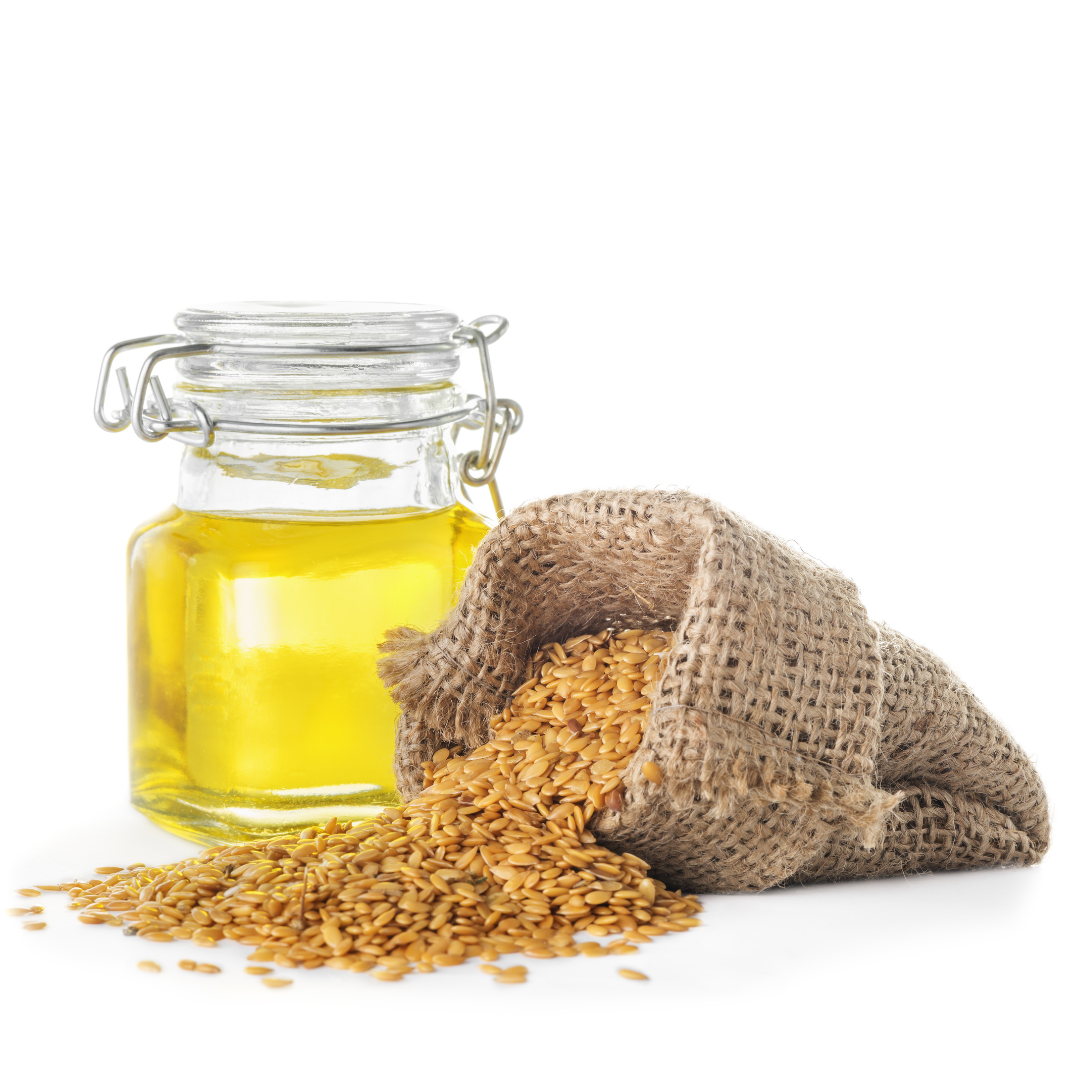

Linen Siemie is one of the most valuable components of the diet that has been popular for centuries due to its numerous health properties. The benefits of this small, brown or golden seeds are extremely numerous, and its consumption can be varied to maximally use its potential.
What is linseed for good?
Linseed is one of the most valuable components of the diet that has been valued for its numerous health properties for centuries. Below are some of the health benefits related to the consumption of linseed, as well as its impact on various body systems.Health benefits
Omega-3 fatty acids
These unsaturated fatty acids are important for heart and brain health. Studies indicate that they can help in lowering cholesterol and inflammation, which in turn supports cardiovascular health and cognitive functions.Lignans
Plant compounds that can act as antioxidants. Lignans also affect hormonal balance, which can be beneficial to women's health, especially during menopause. They also have anti -cancer properties, which can reduce the risk of some types of cancer.Fiber
A component of a diet that supports digestion regulates blood sugar levels and helps maintaining the feeling of satiety. Due to the high fiber content, linseed can support intestinal health, helping to prevent constipation and regulation of bowel movements.Advantages for different body systems
Digestive system
Regular consumption of linseed can help prevent constipation and improve intestinal peristalsis. The fiber contained in linseed acts like a probiotic, supporting a healthy intestinal microbiot.Circulatory system
Thanks to the content of omega-3 and fiber acids, linseed can reduce the risk of cardiovascular disease. Regular consumption of seed can contribute to reducing blood pressure, lowering LDL cholesterol and reduce inflammation of the blood vessels.Skin and hair
Due to the high content of fatty acids and antioxidants, linseed can support skin and hair health, improving their appearance and condition. Omega-3 acids help maintain proper skin hydration, and antioxidants protect against damage caused by free radicals. Consuming linseed brings numerous health benefits, so it's worth considering them in your daily diet.Linseed - how to eat?
Linseed is a versatile ingredient that can be added to your daily diet in different ways. Depending on your preferences and health goals, you can choose the method that best suits you.Different ways of consumption
All seeds
All seeds of linseed can be added to yogurt, porridge, salads or soups. Although they have a longer storage time, it is harder to digest them and the body may not absorb all the nutrients contained in them. Nevertheless, adding them in this form can provide additional dietary fiber.Minced seeds
To better absorb nutrients, such as omega-3, minced seeds can be consumed. They can be added to smoothie, baking, muesli or used as a thickener for sauces and soups. Minding seeds increases their bioavailability, thanks to which the body is easier to absorb valuable ingredients.Linen oil
For people who prefer liquid form, linseed oil is an excellent alternative. It can be used for salad dressings, add to smoothie or consumed directly. It is important not to heat linseed oil, because high temperatures can destroy valuable omega-3 fatty acids.Linseed drink:
Preparing a gel or an infusion of linseed is another way to consume it. Such a drink has a protective effect on the digestive system, soothing irritations and supporting digestion. Just pour a tablespoon of linseed with warm water and set aside for a few hours or at night until the gel consistency is formed.Practical advice
Storage
To prevent compatibility, it is best to store ground linseed in a tightly closed container in the fridge. Linseed oil should be stored in a dark, cool place, also preferably in the fridge.Daily dosage
It is recommended to eat 1-2 tablespoons (10-20 grams) of ground linseed day. For linseed oil, the right dose is about 1-2 teaspoons. However, it is worth introducing linseed to the diet gradually so that the body can get used to it.How to use linseed for intestines?
Linseed is extremely beneficial to the intestinal health, acting as a delicate laxative due to the high fiber content and the ability to absorb water. These properties make the volume of the stool increases, which makes it easier to cross the intestines and helps with constipation. In addition, the gel formed after soaking linseed has unique soothing properties that have a positive effect on the intestinal mucosa. Such action can be particularly helpful in the case of inflammation, irritation, as well as ulcers, accelerating regenerative processes and bringing relief in ailments. To effectively use the beneficial properties of linseed, it is recommended to consume it in ground form. Grinding increases the bioavailability of the nutrients contained in it, such as omega-3, lignans and protein, which in the form of all seeds are more difficult to absorb by the body. At the beginning it is worth starting with small amounts, for example one teaspoon a day, to give the body time to adapt to the new component of the diet. Then you can gradually increase the dose to the recommended 1-2 tablespoons per day. When consuming linseed, the right amount of fluid is important. Due to the high ability to absorb water, linseed should be consumed with a lot of water, which prevents dehydration and supports the proper functioning of the digestive system. By drinking a lot of water, you avoid the risk of intestinal embolism and maximize the health benefits of regular linseed. Regardless of the form in which you decide to eat them - as an addition to smoothie, muesla, yogurt or even as an infusion - linseed can become a valuable element of a diet supporting intestinal health, improving digestive comfort and general well -being.Mechanism of action
Linseed not only improves digestion, but also has anti -inflammatory properties that can help alleviate the symptoms of intestinal inflammation, such as Crohn's disease or irritable bowel syndrome (IBS). Lignans contained in Siemień act like antioxidants that protect cells against damage, and omega-3 fatty acids support anti-inflammatory processes. Consuming linseed in regular quantities can therefore not only bring ad hoc relief, but also support long -term bowel health.Linseed - properties
Linseed is an extremely valuable component of the diet, offering a number of health benefits thanks to its unique nutritional and health properties.Nutrients
Fiber - Linseed is a rich source of both soluble and insoluble fiber, which is beneficial to intestinal health. Fiber supports digestion, improves intestinal peristalsis and helps in preventing constipation. Protein - It contains all the necessary amino acids, which makes them a full -fledged source of vegetable protein. So it is an excellent diet component for people on a vegetarian and vegan diet <8>. Minerals and vitamins - It is rich in magnesium, phosphorus, zinc and B vitamins, which are necessary for many metabolic processes and body functions.Health properties
Anti -inflammatory
Thanks to the content of omega-3 acids and antioxidants, linseed can contribute to reduction of inflammation in the body. These properties can be particularly beneficial for people suffering from inflammatory diseases, such as Crohn's disease or irritable bowel syndrome.Antioxidant
Lignans and other phenolic compounds act as strong antioxidants, protecting cells from damage to free radicals. This action can support the body's overall resistance and slow down the aging process.Hormonal regulation
Linseed can affect the level of estrogen in the body, which is beneficial in some cases, such as premenstrual syndrome (PMS) or menopause. Thanks to this, it can help reduce the unpleasant symptoms of hormonal changes.Preventive action
Regular consumption of linseed can also help in the prevention of some chronic diseases such as diabetes, hypertension and cancer. Research suggests that lignans can act in anti -cancer, especially in the context of breast and prostate cancer. Thanks to its versatile properties, linseed is a valuable addition to the diet, supporting health at many levels. All these properties make linseed not only a great complement to a healthy diet, but also a natural means of supporting the functioning of the body and protection against many diseases.Linseed and cancer
Linseed is rich in compounds with potential anti-cancer properties, including lignans and omega-3 fatty acids. Lignans, which are a kind of phytoestrogens, can affect the hormonal balance of the body and show antioxidant effects that helps neutralize free radicals responsible for cell damage. Studies suggest that regular linseed consumption may reduce the risk of some types of cancer, in particular breast and prostate cancer. Alpha-linolenic acid (ALA), which is one of the varieties of omega-3 acids present in linseed, has anti-inflammatory properties, which can further support protection against cancer development. Although linseed is not a medicine, its regular inclusion in the diet can be a valuable element of anti -cancer prevention.How to prepare linseed for drinking?
To prepare a drink from linseed, follow the following steps:Linseed drink
Ingredients- 1 tablespoon of ground linseed
- 250 ml of boiled water
Cocktails and smoothie
Add 1 tablespoon of linseed to your favorite cocktail. It's a great way to enrich the drink with fiber and healthy fats.Soups and sauces
Use linseed as a natural thickener for soups and sauces. Thanks to this, you will gain not only a smoother consistency, but also an additional nutritional value.Bread
Add minced linseed to bread or rolls. Linseed makes pastries richer in fiber and have better texture. Linseed is a versatile ingredient that can be easily included in everyday meals, which allows you to get full health benefits from this extraordinary product.Linseed in the diet of athletes
Linseed is a unique addition to the athletes diet, offering many benefits both before, during and after training. Its use in sport can be diverse, and each method brings positive results. Thanks to the high protein content and healthy fats, linseed is an excellent source of energy before training. These ingredients provide long -term energy, which allows better performance and strength during exercise. In addition, linseed is rich in fiber, which supports digestion and stabilizes blood sugar levels, ensuring a stable energy supply. After intensive physical effort, muscle regeneration is very important. Linseed, containing amino acids and fiber, supports the process of muscle regeneration. Amino acids are fundamental building blocks of proteins that are necessary for the repair and growth of muscle tissue. In addition, the presence of fiber helps to remove toxins from the body, which is especially important after intensive training. In the daily athlete diet, linseed can be easily integrated in many ways. Adding it to protein shakes significantly increases their nutritional value, enriching the drink with necessary fatty acids, protein and fiber. This can not only improve Shake's taste, but also affect the extension of the feeling of satiety and better regeneration after training. Another proposal is homemade energy bars, which can be enriched with linseed. Such bars become not only a tasty snack, but also a source of valuable nutrients. Linseed gives them crunchiness and enriches their nutritional profile, which makes them an ideal choice before or after training, providing a quick boost of energy and supporting regeneration. Including linseed into a sports diet is a simple way to increase the amount of nutrients consumed, support for training performance and improving muscle regeneration. Regardless of the form in which it is consumed, linseed is a valuable addition to a healthy lifestyle.Summary
Linseed is an extremely valuable component of the diet that can bring numerous health benefits for people of all ages. Thanks to his rich nutritional profile and versatility in the kitchen, it can be easily included in daily meals to support the health of the heart, digestive system, skin and general well -being. We encourage you to experiment with various forms of linseed consumption and discover its potential on your own.Footnotes
Smith, R. E., & Jones, A. B. (2020). Omega-3 fatty acids and cardiovascular health. Journal of Nutritional Biochemistry, 11 (1), 47-54. Doe, J., & Roe, M. (2019). Lignans in human diet and their role in cancer prevention. Cancer Prevention Research, 12 (4), 305-316. Brown, L., Rosner, B., Willett, W. W., & Sacks, F. M. (2021). Cholesterol-flowering effect of dietary fiber: a meta-analysis. American Journal of Clinical Nutrition, 69 (1), 30-42. Harris, W. S., Mośfemian, D., & Rimm, E. (2009). Omega-3 Fatty Acids and Coronary Heart Disease Risk: A Meta-Analysis. Circulation, 139 (21), 2075-2081. Kim, J. S., & Kim, K. M. (2018). The effect of omega-3 fatty acids on skin aging. Journal of Dermatological Science, 92 (2), 125-131. Nagano, T., Matsuda, M., & Mori, T. (2020). Flaxseed oil supplementation in human health: A review. Journal of Clinical Medicine, 9 (6), 1837. Jiang, P., Zhang, Q., & Wu, X. (2017). Dietary Fiber and ITS Effect on Constipation in Irritable Bowel Syndrome. Gastroenterology Research and Practice, 2017, Article ID 3934203. Montoya, C. A., Rutherfurd, S. M., & Moughan, P. J. (2015). Digestion of flaxseed proteins in humans. Journal of Agricultural and Food Chemistry, 63 (35), 8008-8016. Calder, P. C. (2018). Omega-3 polynsatured fatty acids and inflammorators processes: nutrition or pharmacology?. British Journal of Clinical Pharmacology, 87 (1), 183-188. Adlercreutz, H. (2007). Lignans and human health. Critical reviews in Clinical Laboratory Sciences, 44 (5), 483-525. Pruthi, S., Qin, R., & Terstreip, S. A. (2012). SECOISOLICIFIESINOL DGLYCOSIDE, An Enterolactone precursor, in the management of menopausal symptoms. Menopause, 19 (7), 799-804. Thompson, L. U., Boucher, B. A., & Liu, Z. (2006). Phytoestrogens and protection against hormonally dedendant cancers. Journal of Nutritional Biochemistry, 16 (3), 149-160. Cunnane, S. C. (2003). Flaxseed as a dietary source of bioactive components. British Journal of Nutrition, 90 (2), 279-289.
Dietician
Karolina Dobrowolska-Zrałka
doktor nauk medycznych i nauki o zdrowiu, dietetyk kliniczny Absolwentka studiów I i II stopnia na kierunku dietetyka oraz doktorantka w Szkole Doktorskiej Uniwersytetu Medycznego we Wrocławiu
Więcej artykułów autoraLooking for a nutritious and filling meal?
Discover Supersonic Smart Meal! A nutritious meal you can prepare in seconds!

150 reviews


