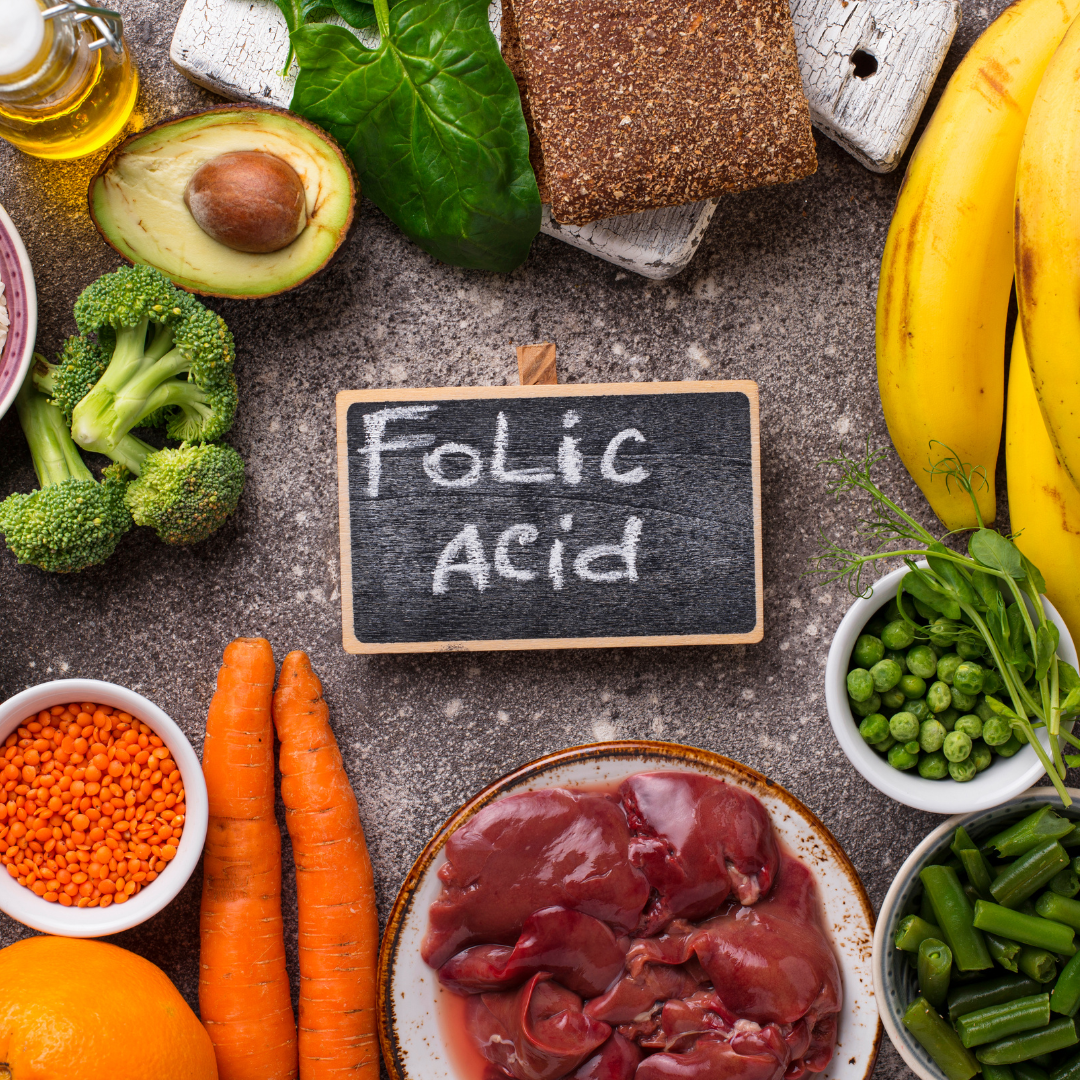

Folic acid, also known as vitamin B9, corresponds to, among others for DNA synthesis, cell division and homocysteine metabolism. A deficiency of this vitamin can lead to serious health consequences, such as fetal nerve defects, megaloblastic anemia and an increased risk of cardiovascular disease.
Folic acid supplementation
Folic acid, also known as vitamin B9, is an indispensable nutrient involved in many metabolic processes of the body, including DNA synthesis, cell division and red blood cell production. Folic acid supplementation is widely recommended, especially in certain population groups, such as pregnant women or pregnancy planning, due to its critical role in the proper development of the fetus. Folic acid supplementation can also bring benefits in the prevention of numerous diseases, including cardiovascular diseases, thanks to the influence of homocysteine metabolism, the amino acid associated with the risk of these diseases. There are also a number of recommendations for folic acid supplementation in the diet of the elderly and those that for various reasons may have an increased demand for this vitamin. However, the decision on supplementation should be made taking into account individual health needs and possible medical contraindications.Who should use folic acid?
Folic acid supplementation is recommended in various population groups, depending on the specific physiological and medical needs. Here are a few groups of people who should be particularly focused on the proper consumption of this vitamin:1. Women planning pregnancy
Both before and during pregnancy, the proper supply of folic acid is crucial to prevent nerve tubes in the developing fetus.2. Women during pregnancy
During pregnancy, the demand for folic acid increases, which results from intensive cell division processes and fetal tissue growth.3. Coles with folic acid deficiency
The deficiency may result from insufficient supply in the diet, absorption disorders (e.g. celiac disease, inflammatory intestinal diseases) or increased demand (e.g. during recovery).4. Out of chronic diseases
Diseases such as megaloblastic anemia, chronic kidney disease or liver disease may require additional vitamin B9 supplementation.5. Alcohol abusing items
Alcohol disturbs the absorption and metabolism of folic acid, which leads to deficiencies.Dosage of folic acid
Correct dosage of folic acid is important to ensure its efficiency and safety. The dosage is adapted to individual needs and health.When to start taking folic acid?
It is best to start folic acid supplementation at least a few months before the planned pregnancy. According to the guidelines of the European Gynecological Society, supplementation should start 12 weeks before the planned conception. This is to ensure an adequate level of vitamin B9 before the start of the fertilization and implantation of the embryo.How many times a day take folic acid?
By default, folic acid is taken once a day. Forms available on the market, such as tablets and capsules, are usually prepared to provide the appropriate daily dose in one portion. This facilitates the regularity and effectiveness of supplementation.How much folic acid UG per day?
Recommendations for daily intake of folic acid depend on the age, gender and specific physiological needs of a person.- Adults - The recommended daily dose is 400 micrograms (μg).
- Women planning pregnancy and pregnancy - The standard dose is 400-800 μg, but in the case of previous pregnancies with neural tube defects or with specific metabolic diseases, your doctor may recommend a higher dose, up to 4000 μg.
Folic acid before pregnancy - when to start supplementation?
A folic acid supplementation before pregnancy prepares the body for a healthy pregnancy. Disadvantages of the nervous tube, such as spinal cleft, may occur in the early weeks of pregnancy before a woman realizes that she is pregnant. Therefore, regular intake of folic acid before conception is absolutely necessary.Guidelines for supplementation before pregnancy
WHO and other health organizations recommend that every woman of childbearing age who can get pregnant takes at least 400 μg of folic acid per day. In the case of women who have a nervous tube in the family history or had a child with such a disadvantage themselves, it is recommended to increase the dose to 4000 μg per day, starting three to six months before the planned pregnancy. <4.5>Folic acid in pregnancy - dosage
During pregnancy, adequate folic acid supplementation is not only recommended, but even necessary for the mother's health and the developing child. Increased division of cells, the development of tissues and organs, especially the nervous system, require increased supply of this vitamin.Dosage recommendations during pregnancy
Standard guidelines talk about increasing the daily dose of folic acid to 600-800 μg for pregnant women. However, it should be remembered that supplementation should be consulted with a doctor who will adapt the dose to the patient's individual needs.- First trimester - 400-800 μg per day to support the development of the nervous tube.
- Second and third trimester - 600-800 μg per day to support the continuous development of the fetus and prevent megaloblastic anemia in the mother.
Health benefits resulting from folic acid supplementation
Folic acid supplementation brings numerous health benefits that go beyond the prevention of malformations in the fetus. The introduction of the right amount of folic acid into the diet can affect the body as follows:1. Megaloblastic anemia
Folic acid helps prevent megaloblastic anemia, characterized by the presence of large, abnormal red blood cells in the blood.2. Homocysteine metabolism
Folic acid is involved in homocysteine metabolism, an amino acid, whose increased level is a risk factor for cardiovascular disease. By maintaining adequate concentrations of homocysteine in the body, folic acid contributes to cardiovascular protection, reducing the risk of atherosclerosis, heart attacks and strokes.3. Department of the nervous system
Folic acid deficiency can lead to damage to nerve and neuropathy, manifested, among others tingling, numbness and limb pain.4. DNA synthesis and cell division
Folic acid helps in DNA synthesis and cell division, which is necessary for tissue regeneration and wound healing. Regular folic acid supplementation supports the health and functioning of the body at many levels. Appropriate supply of folic acid brings a wide spectrum of benefits for both physical health and general well -being.Folic acid deficiency - symptoms
Folic acid deficiency can lead to a number of serious health problems that can occur in both children and adults. The first of the symptoms of folic acid deficiency is often megaloblastic anemia, which is characterized by large, abnormal red blood cells. Symptoms of this anemia may include fatigue, weakness, pallor of the skin, shortness of breath and headaches. As a result of folic acid deficiency, emotional and neuropsychiatric disorders may also occur, including depression, irritability and problems with memory and concentration. In the case of pregnant women, folic acid deficiency can lead to serious fetal malformations, such as nerve tube defects (e.g. spine cleft). Therefore, supplementation is particularly important before and during pregnancy. Children with folic acid deficiency may experience growth and development delay, as well as learning and behavior problems. Other deficiency symptoms include a loss of appetite, weight loss, digestive difficulties, diarrhea and language inflammation (the tongue becomes red and sore). Folic acid deficiency can also cause weakening of the immune system, which increases susceptibility to infections.Excess folic acid - side effects
Excess folic acid in the diet can mask the symptoms of vitamin B12 deficiency, which in the long run can lead to serious neurological problems. In addition, the excess of this compound can lead to digestive system disorders, such as nausea, bloating and digestive disorders. There are also reports that excessive intake of folic acid can affect the development of some cancers. That is why it is important to maintain moderation and consult a doctor before starting supplementation, especially if you are at risk due to age, health or drugs used.Contraindications for the use of folic acid
Although folic acid has many health benefits, there are some contraindications to its supplementation, which should be taken into account. People suffering from some diseases may require individual consultation with a doctor before starting supplementation. First of all, people with malignant anemia should avoid folic acid without medical supervision, because supplementation can mask the symptoms of this disease, leading to a delay of diagnosis and treatment. In addition, people with kidney or liver diseases may need to adjust the dosage, because the wrong level of supplementation may lead to side effects or health complications. People taking some drugs, such as anticonvulsion drugs or antibiotics, may experience interaction with folic acid, which may weaken the effects of drugs or lead to undesirable effects. Also people with allergy to folic acid should avoid its supplementation. Therefore, it is always recommended to consult a doctor before starting folic acid supplementation to make sure that it is safe and appropriate in a given case.Sources
Chitty, L. S., & Wellesley, D. (2015). "Antenatal detection of neural tube defects." Current opine in Owstetrics & Gynecology. Blencowe, H., Cousens, S., Modell, B., & Lawn, J. (2010). "Folic acid to reduce neonatal mortality from neural tube disorders." International Journal of Epidemiology. Bailey, L. B. (2000). "New Standard for Dietary Folate Intake in Pregnant Women." The American Journal of Clinical Nutrition. Centers for Disease Control and Prevention. (1992). "Use of Folic Acid for Prevention of Spina Bifida and Other Neural Tube Defects." Mmwr. Morbidity and Mortality Weekly Report. World Health Organization. (2006). "Guideline: Optimal Serum and Red Blood Cell Folate Concentrations in Women of Reproductive Age for Prevention of Neural Tube Defects."
Dietician
Karolina Dobrowolska-Zrałka
doktor nauk medycznych i nauki o zdrowiu, dietetyk kliniczny Absolwentka studiów I i II stopnia na kierunku dietetyka oraz doktorantka w Szkole Doktorskiej Uniwersytetu Medycznego we Wrocławiu
Więcej artykułów autoraLooking for a nutritious and filling meal?
Discover Supersonic Smart Meal! A nutritious meal you can prepare in seconds!

150 reviews


