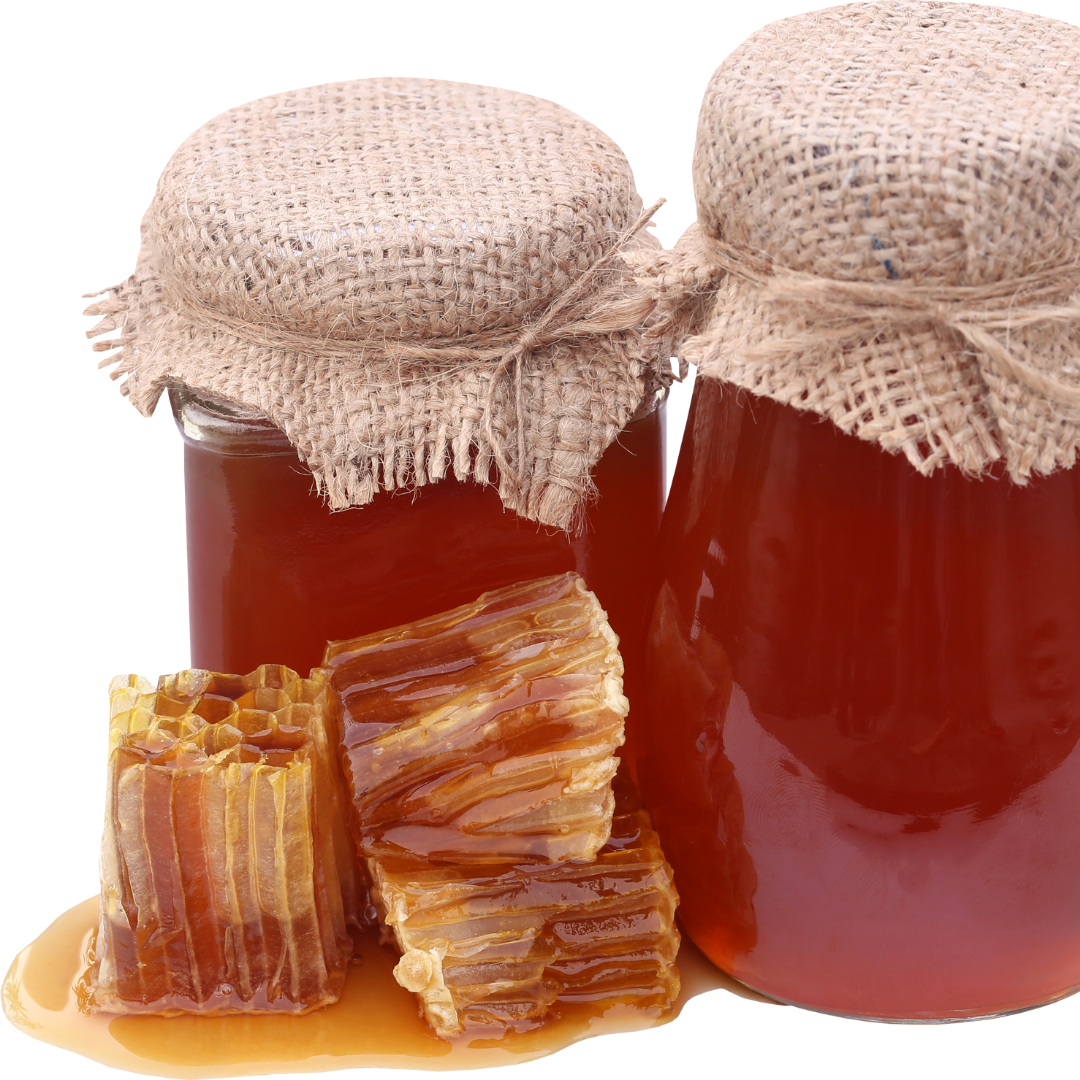

Honeymoon honey is one of the most valued and unique types of honey, known for its numerous health benefits and characteristic properties. Unlike nectar honeys that are made of flower nectar, honeydew honey is made of secretions, called sliding, which is produced by aphids and June, nourishing trees. This unusual production method makes honeydew honey not only distinguished by its taste, but also with a high content of nutrients and health -promoting ingredients. In this article, we will take a closer look at the properties of honeydew honey, its types and the acquisition process, and also discuss what he can help in the context of health.
Honeydew honey - characteristics and properties of this unique honey
Honeydew honey is a unique product in many respects. Its color can be different, depending on the type of honeydew, from which it was made, it ranges from light green to dark brown, and sometimes even almost black. The taste of honeydew honey is less sweet and more expressive compared to nectar honey, with a slight hint of bitterness, which makes it unique and valued by connoisseurs. The properties of honeydew honey are equally impressive. This honey is rich in enzymes, proteins, amino acids, as well as minerals such as potassium, calcium, magnesium and iron. It also contains numerous antioxidant compounds that protect the body against free radicals, and anti -inflammatory substances, which makes it great support in the prevention of many diseases. Flavonoids are one of the most important ingredients of honeydew honey - natural compounds with a strong antioxidant effect that support heart and cardiovascular health, and can also be anti -cancer. Honeymoon honey is also rich in organic acids that support digestion and help maintain the acid-base balance of the body.Types of honeydew honey
Honeydew honey is divided into two main types: Honeydew coniferous honey and deciduous honeydew. Each of these types has its own unique features and properties, resulting from the type of trees from which it comes.Honeydew coniferous honey - what is its properties?
Honeydew coniferous honey is mainly produced from honeydew discharge, which is produced by aphids and June feeding on coniferous trees, such as fir, spruce or pine. This honey is characterized by a darker color, from greenish-brown to dark brown and more intense, somewhat resinous taste. In terms of properties, honeydew honey coniferous is distinguished by a high content of biopierwiasts, such as magnesium, manganese and iron, which are important for the functioning of the nervous, muscular and hematopoietic systems. In addition, this honey is rich in antiseptic substances, which makes it an excellent resistance supporting agent and helpful in the treatment of upper respiratory tract infections. Honeymoon coniferous honey is also valued for its anti -inflammatory and antiviral properties. Regular consumption of this honey can support the body in the fight against colds, flu and other viral infections. It also has a beneficial effect on the respiratory system, helping to alleviate coughing and other symptoms of respiratory infections.Honeydew honey - origin and acquisition
Honeydew honey comes from regions, where there are forests rich in coniferous and deciduous trees, mainly in the mountains and in forest areas. The process of obtaining its acquisition is unique and differs from the production of nectar honey. Fatum, which is a raw material for the production of honeydew honey, arises from wood juice, which aphids and June process, excreting as a sticky, sweet substance. Bees collect falling from the surface of the leaves or needles of the tree, and then process it into a honey hion. For this reason, honeydew honey is a product with a specific taste and properties that depend on the type of trees from which the fall comes, and on the region in which honey is collected.Honeymoon deciduous honey - properties
Tenice honeydew honey comes from deciduous trees such as oak, lime, maple or birch. Compared to coniferous honey honey, it has a lighter color that can hesitate from light yellow to amber. The taste of deciduous honey honey is milder, with a delicate floral hint and less expressive bitterness. In terms of properties, deciduous honeydew is also rich in minerals and antioxidant compounds, but in a slightly different composition than coniferous honey. It contains more calcium and potassium, which makes it beneficial to bone and cardiovascular health. Thanks to the high content of enzymes and biofierwiasts, this honey supports metabolism and helps in detoxifying the body.Honeydew honey - what can it help?
Honeydew honey is valued for its wide use in natural medicine. Here are some of the most important health benefits that can be obtained by regular consumption of honeydew honey:- Strengthening immunity - Honeymoon, thanks to its antibacterial and anti -inflammatory properties, supports the immune system, helping the body to fight infections.
- Respiratory support - This honey is particularly helpful in the treatment of upper respiratory tract infections, soothing cough, sore throat and other symptoms of colds.
- Improving digestion - Thanks to the content of enzymes and organic acids, honeydew honey supports digestion, soothes the symptoms of indigestion and helps to maintain healthy intestinal bacterial flora.
- Detoxifying effect - Honeydew honey helps in cleansing the body of toxins, supporting liver and kidneys.
- Cardiovascular support - The richness of biopierwiasts, such as magnesium, potassium and calcium, supports heart and cardiovascular health, helping to regulate blood pressure and improve the flexibility of blood vessels.
Summary
Honeydew honey is a unique natural product that, thanks to its health properties, deserves a special place in the diet of people who care about health. His rich mineral composition, enzymes and antioxidant compounds make him a great support in the prevention and treatment of many diseases, from respiratory tract infections to digestive and circulatory problems. Regardless of whether you choose honey honey coniferous or deciduous, both types offer a wide spectrum of health benefits that can significantly improve the quality of life.Sources
Bogdanov, S., Jurendic, T., Sieber, R., & Gallmann, P. (2008). Honey for Nutrition and Health: A review. Journal of the American College of Nutrition, 27 (6), 677-689. Molan, P. C. (2001). Potential of Honey in the Treatment of Wounds and Burns. American Journal of Clinical Dermatology, 2 (1), 13-19. Gheldof, N., Wang, X. H., & Engeseth, N. J. (2002). Identification and quantification of antioxidant components of honeys from various floral sources. Journal of Agricultural and Food Chemistry, 50 (21), 5870-5877.
Dietician
Karolina Dobrowolska-Zrałka
doktor nauk medycznych i nauki o zdrowiu, dietetyk kliniczny Absolwentka studiów I i II stopnia na kierunku dietetyka oraz doktorantka w Szkole Doktorskiej Uniwersytetu Medycznego we Wrocławiu
Więcej artykułów autoraLooking for a nutritious and filling meal?
Discover Supersonic Smart Meal! A nutritious meal you can prepare in seconds!

150 reviews
![Ranking kreatyny [2026] - TOP 10 produktów, które warto znać](http://supersonicfood.com/cdn/shop/articles/kreatyna-ranking_c1a64d3a-0854-4df3-8a54-c034300baab7.jpg?format=webp&v=1786623654&width=1100 "Ranking kreatyny [2026] - TOP 10 produktów, które warto znać")


