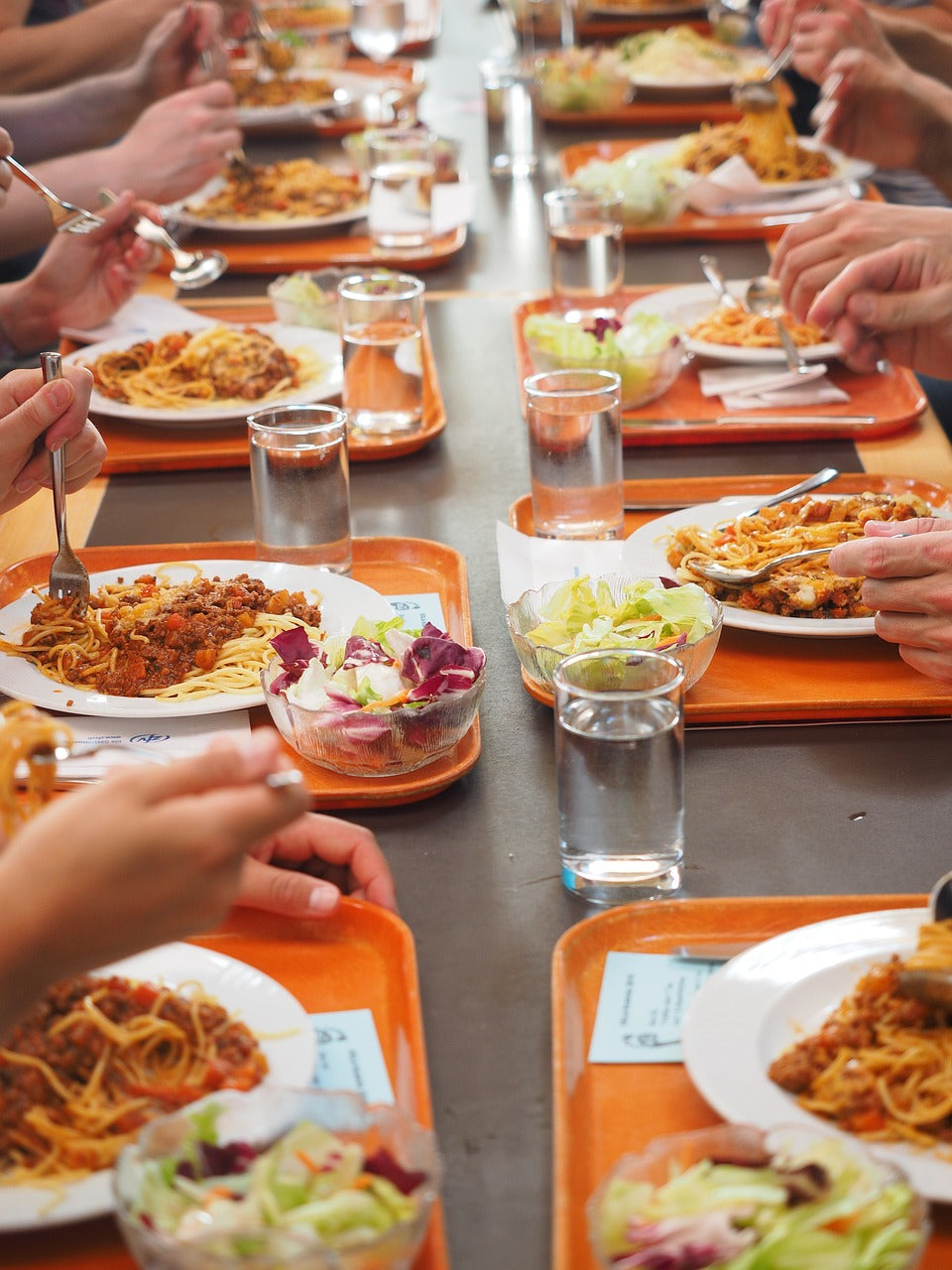

Student life is full of challenges - from intensive classes at the university, through science, to everyday duties. In such a tight schedule, it is easy to neglect healthy eating. One of the best ways to maintain health, energy and concentration during the day is to prepare healthy meals for lunchbox. Composing lunchboxes independently ensures control over food quality, saving time and money. In this article I will present how to effectively prepare meals for lunchbox to make them healthy, nutritious and filling.
Sources:
Slavin, J. L. (2005). "Dietary Fiber and Body Weight." Nutrition, 21 (3), 411-418.
Jenkins, D. J., et al. (2002). "Effect of a low-glycemic index or a high-cereal fiber diet on type 2 diabetes." Jama, 287 (3), 329-338.
Rickman, J. C., Barrett, D. M., & Bruhn, C. M. (2007). "Nutritional Comparison of Fresh, Frozen, and Canned Fruits and Vegetables." Journal of the Science of Food and Agriculture, 87 (6), 930-944.
Fao. (2019). "Sustainable Healthy Diets - Guiding Principles."
Why should you plan your lunchbox meals?
Meal planning is an important element of healthy and conscious nutrition, especially for students who need to reconcile classes, work and social life. Having a previously prepared lunchbox avoids impulsive reaching for processed food, which has a positive effect on both health and well -being. Preparation of meals yourself gives full control over the diet, enabling the adaptation of the ingredients to individual nutritional needs. Preparing more food saves time and eliminates the need for daily cooking. Regular planning promotes healthier eating habits, limits the consumption of processed food and excess calories. What's more, cooking at home is much cheaper than everyday buying ready meals, and shopping planning allows you to manage products better, thanks to which it avoids wasting food and throwing away leftovers.Fast and simple recipes for healthy lunchboxes
A healthy lunchbox does not have to be complicated. The essence is the use of simple, full -fledged ingredients that will provide the necessary nutrients. Here are some recipes that are easy to prepare, and at the same time ensure satiety and energy for the whole day.Wrap with chicken and vegetables
Ingredients:- 1 whole grain tortilla
- 100 g of grilled chicken, cut into stripes
- 1 handful of rocket
- 1/2 avocado, sliced
- 1/4 of red peppers, cut into stripes
- 1 tablespoon of hummus
Salad full of energy - filling options based on groats, rice and pasta
Salad based on groats, rice or pasta is a great solution when we care about satiety and long -lasting energy. These types of meals can be easily packaged into a lunchbox, and in addition are extremely versatile - you can freely modify the ingredients depending on your preferences.Bulgur salad, baked vegetables and feta cheese
Ingredients:- 100 g Bulgur
- 1 zucchini, diced
- 1 red pepper, cut into strips
- 50 g of feta cheese, crushed
- 1 tablespoon of olive oil
- 1 tablespoon of lemon juice
- Salt and pepper to taste
Proteins in lunchbox - how to take care of full -fledged meals?
Protein plays an important role in the diet, especially in physically active people, such as students. Adding the right amount of protein to the lunchbox makes the meal more filling and helps in muscle regeneration and maintaining a stable level of energy. Here are a few sources of protein that can be easily added to the lunchbox: Eggs: hard -boiled or in the form of an omelette. Tofu: rich in vegetable protein, perfect for vegans and vegetarians. Legumes: chickpeas, lentils, beans - ideal for salads. Chicken breast: grilled, baked or steamed.Tofu lunchbox and stir-fry vegetables
Ingredients:- 150 g tofu, diced
- 1 carrot, cut into posts
- 1/2 pepper, cut into strips
- 1 onion, diced
- 1 tablespoon of soy sauce
- 1 teaspoon of sesame oil
- Salt and pepper to taste
Snacks that will add energy between classes
During a long day at the university it is worth having healthy snacks on hand, which will not only add energy, but also support concentration. The snacks should be rich in fiber, protein and healthy fats to ensure that stable energy levels and avoid sudden blood sugar jumps. Nuts and almonds, which are a great source of healthy fats and proteins, are a great choice. Homemade energy bars, prepared from oatmeal, dates and nuts, provide energy and are easy to pack. Fresh fruit, such as apples, bananas or grapes, is a fast and healthy snack that you can take with you. Natural yogurt with the addition of chia seeds provides protein, fiber and healthy fats, which makes it a filling and nourishing snack. In turn, when we feel like something warm, it is worth reaching for recipes for dinners that can be easily reheated in the microwave. Single -pot casseroles or pasta with vegetables are great options that can be quickly prepared and heated to enjoy a warm, nutritious meal during the day.Pasta with broccoli and cheese
Ingredients:- 150 g of whole grain pasta
- 1 broccoli, divided into roses
- 50 g of mozzarella cheese, diced
- 1 tablespoon of olive oil
- Salt and pepper to taste
How to balance the lunchbox? Practical tips for healthy meals
Lunchbox balancing is important for maintaining energy throughout the day and supplying the body with all the necessary nutrients. A well -composed meal should contain the right amounts of protein, healthy fats, carbohydrates and vitamins. The addition of various products from each food group helps maintain stable blood sugar levels and supports brain work, which is especially important during stressful days at the university. It is worth taking care of the presence of protein sources, such as eggs, tofu, legumes, chicken breast or fish that promote muscle regeneration and ensure a feeling of satiety. Complex carbohydrates, such as cereal, whole grain rice, quinoa or whole grain pasta, supply energy released gradually, which prevents fatigue during the day. Healthy fats, present in avocado, olive oil, nuts, seeds and fatty fish, support the work of the brain and nervous system. You can't forget about fresh vegetables and fruits that provide vitamins, minerals and fiber, positively affecting digestive processes. An example composition of a balanced lunchbox: Protein: Grilled chicken. Carbohydrates: Bulgur porridge. Fats: Avocado slices. Vegetables: A mixture of salad with tomatoes and paprika. Fruit: Apple for dessert.Cheap but healthy - lunchbox for a student on the budget
Students often face how to eat healthy without spending a fortune. The essence for success is the choice of cheap but valuable products. Contrary to appearances, healthy nutrition on the budget is possible - just focus on basic products and plan meals in advance.How to prepare a lunchbox cheaply and healthy?
To prepare a lunchbox cheaply and healthy, it is worth focusing on seasonal products that are cheaper and rich in nutrients. In the summer, it is worth reaching for tomatoes, peppers and zucchini, while in winter root vegetables, such as carrots and beets, will be a great choice. Legumes such as chickpeas, lentils or beans are cheap and rich in protein, making them ideal for salads, soups or casseroles. Cooking in stock is another effective strategy - preparing larger portions of dishes such as curry, stew or casseroles, you save time and money, and food can be divided into several meals. Whole grain cereal products, such as groats, rice and pasta, are filling and cheap sources of carbohydrates that blend well with vegetables. It is also worth using frozen food - frozen vegetables and fruits are cheaper out of season, and their nutritional value is comparable to fresh products. Examples of a cheap lunchbox for a student: Protein: Hard -boiled egg. Carbohydrates: Barley. Fats: Hummus. Vegetables: Carrots and cucumber cut into posts. Fruit: Apple.Useful lunchbox accessories - how to store food on the way?
Appropriate storage of meals in a lunchbox is important that food retains freshness and taste. There are many useful accessories on the market that make it easier to pack, transport and eat meals at the university. Here are some useful accessories that are worth having:- Tight lunch containers - food containers are the most important element. It is worth investing in multi -chamber containers that will separate various elements of the meal, preventing the mixing of flavors and consistency.
- Thermal bag - if meals must be stored for a long time, the thermal bag will maintain the right food temperature.
- Water bottles and Smoothie containers - proper hydration is important, so it's always worth having a bottle of water or smoothie with you.
- Reusable cutlery - instead of disposable cutlery, it is worth investing in a set of reusable cutlery. This is a more ecological solution and more convenient in everyday use.
- Containers for sauces and dressings - small containers for sauces and dressings will help in safe storage of liquid additives that can be added to the salad just before eating to maintain the freshness of the ingredients.
Summary
Healthy lunchboxes for students are a great way for balanced nutrition, saving time and money, as well as improving well -being and concentration. Planning meals in advance allows for better organization of the day, avoiding unhealthy snacks and controlling the amount of calories consumed. Fast and simple recipes, such as salads with groats, wraps or hot lunch, will work perfectly in everyday life of every student, and the right accessories will allow comfortable storage of food. Remember that a healthy diet does not have to be expensive - using cheap, seasonal products, cooking in stock and choosing vegetable sources of protein, you can create full -fledged meals on the student budget. If you are looking for an idea for a healthy, fast and full -fledged meal, see our smart food
Dietician
Karolina Dobrowolska-Zrałka
doktor nauk medycznych i nauki o zdrowiu, dietetyk kliniczny Absolwentka studiów I i II stopnia na kierunku dietetyka oraz doktorantka w Szkole Doktorskiej Uniwersytetu Medycznego we Wrocławiu
Więcej artykułów autoraLooking for a nutritious and filling meal?
Discover Supersonic Smart Meal! A nutritious meal you can prepare in seconds!

150 reviews
additional 5% discount
![Ranking kreatyny [2026] - TOP 10 produktów, które warto znać](http://supersonicfood.com/cdn/shop/articles/kreatyna-ranking_e52ddb6e-020b-45cf-9efd-6ed598114fe8.jpg?format=webp&v=1786695745&width=1100 "Ranking kreatyny [2026] - TOP 10 produktów, które warto znać")


