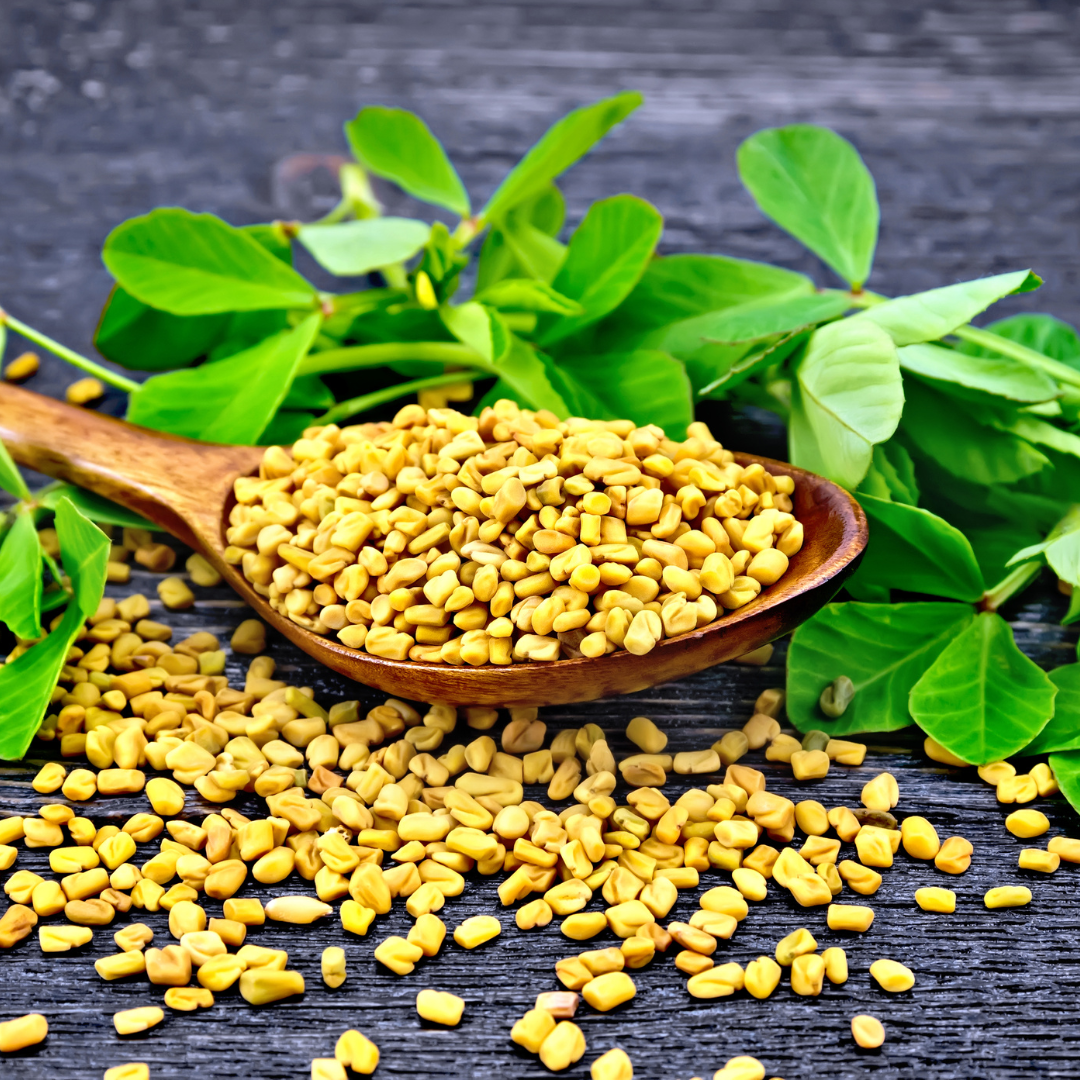

Fenugreek (Trigonella Foenum-Graecum) is a plant that has been valued in natural medicine for centuries for its numerous health properties. Its seeds are rich in nutrients, such as protein, fiber, vitamins and minerals that support health on many levels. Thanks to its unique properties, fenugreek can support the digestive system, regulate blood sugar levels and bring numerous health benefits that will be discussed in the following sections.
Fenugreek - properties and benefits for health and well -being
Fenugreek (Trigonella Foenum-Graecum) is a plant belonging to the bean family, which has been valued for its numerous health properties for centuries. Its seeds are rich in proteins, fiber, vitamins and minerals, which makes it an extremely valuable addition to the diet. Fenugreek is particularly known for its digestion support properties and regulate blood sugar levels.The main health properties of fenugreek
1. Digestive system recovery
Fenugreek contains fiber, which supports healthy digestion and prevents constipation. It can help to alleviate the symptoms of indigestion, heartburn and flatulence.2. Blood sugar recreation
Studies have shown that fenugreek can help reduce blood glucose, which is beneficial for people with type 2 diabetes. It also acts as an agent that increases insulin sensitivity.3. Anti -inflammatory and antioxidant exposure
Fenugreek contains antioxidants that help protect cells against oxidative stress. It also has an anti -inflammatory effect, which can be beneficial for chronic diseases.4. Cardiovascular recovery
Regular consumption of fenugreek can help reduce LDL cholesterol, which supports heart health. It contains compounds that can improve blood circulation and reduce the risk of atherosclerosis.Fenugreek what does it help? The use and operation of this herb
Fenugreek is widely used in both traditional and contemporary medicine. Here are some of the most important applications and health benefits:Lactation support
Fenugreek is a well -known galactagogue, i.e. a means that increases milk production in breastfeeding women. Contains phytoestrogens that can stimulate milk secretion.Railing of menopause symptoms
Fitoestrogens contained in a fenugreek can also help alleviate menopause symptoms, such as hot strokes, night sweats and mood swings.Slimming support
Fenugreek can help control the appetite and reduce calorie intake, which is beneficial for people trying to lose weight. The fiber content helps to keep the feeling of satiety for longer.Improving sexual functions
Studies suggest that fenugreek can improve libido and sexual functions in both men and women.Fenugreek - side effects and how to avoid them during use
Although the fenugreek has many health benefits, it can also cause some side effects, especially when used in large quantities. Here are some of the possible side effects and how to avoid them:- Gastrointestinal problems - Excessive fenugreek consumption can lead to diarrhea, flatulence and stomach cramps. It is recommended to start with small doses and gradually increase in quantity.
- Allergic reactions - Some people may occur allergic reactions to a fenugreek, such as rash, itching or swelling. In the event of such symptoms, you should stop using and consult a doctor.
- Drug interactions - Fenugreek may interact with anti -diabetic, anticoagulant and other drugs. People taking medicines should consult a doctor before starting fenugreek supplementation.
Fenugreek - what is it used for?
Fenugreek is widely used in both the kitchen and natural medicine. Here are some of the most popular ways of using it:Spice
Fenugreek seeds are often used as a spice in Indian, Middle Eastern and Mediterranean cuisine. They add a characteristic taste and aroma to dishes.Fenugreek tea
Fenugreek seed tea is a popular drink supporting digestion and lactation. It can be prepared by pouring a teaspoon of seeds with boiling water and brewing for a few minutes.Dietary supplement
Fenugreek is available in the form of capsules, tablets and powder as a dietary supplement supporting the health of digestive, circulatory and hormonal health.Hair care
Fenugreek seeds are often used to prepare masks and hair rinses, which strengthen the bulbs, prevent hair loss and improve their condition.Fenugreek for hair - Discover the secret of beautiful and healthy hair
Fenugreek is valued for its hair strengthening properties and improving their condition. Here's how it works and what benefits can be achieved by using it:- Strengthening of hair bulbs - Fenugreek contains proteins that strengthen hair bulbs and prevent them from falling out. Regular use of fenugreek can increase the density and volume of hair.
- Hair growth stimulation - Fenugreek improves blood circulation in the scalp, which supports the growth of new, healthy hair. It also contains compounds that stimulate the regeneration of scalp cells.
- Hydration and nutrition - fenugreek moisturizing, which helps in preventing hair dryness and brittleness. It contains vitamins and minerals that nourish the hair and improve their structure.
How to use a fenugreek for hair?
Fenugreek mask - Mix the ground fenugreek seeds with water to get a paste. Apply to the scalp and hair, leave for 30 minutes, then rinse. Fenugreek rinse - Prepare an infusion of fenugreek seeds and use it as a rinse after washing your hair.How to include a fenugreek in your daily diet and care?
Fenugreek can be easily included in the daily diet and care. Here are some practical tips: Diet - Add fenugreek seeds to dishes such as curry, soups, salads and bread. Prepare fenugreek tea as a healthy drink supporting digestion and lactation. Hair care - Use masks and fenugreek rinses regularly to improve your hair condition. Use fenugreek oil for scalp massage to stimulate hair growth.Summary
Fenugreek is an extremely valuable herb that offers numerous health and cosmetic benefits. Thanks to its properties supporting the digestive system, regulating blood sugar levels, strengthening the hair and improving their condition, fenugreek is valued in both traditional and contemporary medicine. Regular use of fenugreek in diet and care can bring many health benefits, making it an irreplaceable element of a healthy lifestyle.Sources
Yadav, U. C., & Morthy, K. (2013). "Fenugreek: a review on its nutraceutical properties and utilization in various food products." Journal of Food Science and Technology. Basch, E., Ulbicht, C., Kuo, G., Szapary, P., & Smith, M. (2003). "Therapeutic Applications of Fenugreek." Alternative Medicine Review. Sharma, R. D. (1986). "Effect of fenugreek seeds and leaves on blood glucose and serum insulin responses in human subjects." Nutrition Research. Mehta, R. S., & Bodla, B. (2003). "Phytochemistry and pharmacology of trigonella foenum-graecum L." Journal of Medicinal Plants Research. Srinivasan, K. (2006). "Fenugreek (Trigonella Foenum-Graecum): A Review of Health Beneficial Physiological Effects." Food Reviews International.
Dietician
Karolina Dobrowolska-Zrałka
doktor nauk medycznych i nauki o zdrowiu, dietetyk kliniczny Absolwentka studiów I i II stopnia na kierunku dietetyka oraz doktorantka w Szkole Doktorskiej Uniwersytetu Medycznego we Wrocławiu
Więcej artykułów autoraLooking for a nutritious and filling meal?
Discover Supersonic Smart Meal! A nutritious meal you can prepare in seconds!

150 reviews
![Ranking kreatyny [2026] - TOP 10 produktów, które warto znać](http://supersonicfood.com/cdn/shop/articles/kreatyna-ranking_c1a64d3a-0854-4df3-8a54-c034300baab7.jpg?format=webp&v=1786623654&width=1100 "Ranking kreatyny [2026] - TOP 10 produktów, które warto znać")


