

Matcha has become a visible symbol of the lifestyle promoted on social media because it combines aesthetics, functionality and a narrative about conscious health care. The intense green color, minimalist accessories and preparation ritual fit perfectly into the visual language of platforms such as Instagram or TikTok. At the same time, matcha offers real metabolic and cognitive properties, which strengthens its credibility as a product supporting concentration and stable energy. The trend is not based solely on the appearance of the drink, but on the combination of aesthetics and function. Influencers building an image around health, productivity and self-care routines naturally included matcha in their communication. As a result, the drink became part of a larger narrative about balance, mindfulness and effectiveness.
Recommended products

Aesthetics and visual potential of matcha
Social media rewards images that attract attention with color, simplicity and visual consistency. Matcha, thanks to its intense green color and the ability to be served in ceramic bowls, latte glasses or minimalist mugs, creates a distinctive element in the frame. The contrast between the green drink and the light background strengthens the visual perception and builds associations with nature and freshness. The mixing process, the formation of delicate foam and the slow movements of the whisk create a dynamic yet calm image that works well in short video formats. However, aesthetics is not an empty form - it supports the narrative of quality and ritual. It is the combination of visual attractiveness and a real functional product that has made matcha a carrier of a specific lifestyle.
Matcha as a symbol of productivity and "clean lifestyle"
The image of matcha is strongly associated with the idea of stable energy and concentration without sudden arousal. Influencers promoting morning routines, day planning and creative work eagerly reach for a drink that supports concentration thanks to the combination of caffeine and L-theanine. The message is consistent: instead of nervous arousal and loss of energy, there is controlled, long-term focus. Matcha also fits into the "clean living" aesthetic, which assumes minimalism, natural products and limiting processed food. Green powder without added sugar or artificial flavors fits this narrative perfectly. As a result, the drink became an element of building an identity based on discipline, mindfulness and attention to detail.
Algorithms, community and economies of scale
The popularity of matcha on social media reinforces the mechanism of repetition and the social proof effect. The more creators show similar rituals, the stronger the belief that it is an element of a modern lifestyle becomes stronger. Algorithms promote aesthetic and repetitive content, which facilitates the viral spread of the matcha motif. At the same time, the influencers' personal brand is based on the consistency of the message - a drink that supports concentration and balance becomes a natural element of everyday relationships. The trend persists because it is reinforced by a community that replicates the same visual and narrative patterns. In this way, matcha ceased to be a niche product and became a cultural symbol of a specific style of functioning.
Recommended products


Is it just fashion?
Although the presence of matcha on social media has a clear trend dimension, its popularity is not based solely on momentary interest. The drink has proven antioxidant and energy-stabilizing properties, which gives it a foundation that goes beyond aesthetics. Products with real effects last longer than those based solely on image. Matcha combines tradition, quality of raw material and functionality, which is why its position does not depend solely on changing visual trends. Social media has accelerated its recognition, but has not created its value. This is a product that meets both aesthetic and functional expectations.
The impact of the trend on the market and product quality
The growing popularity of matcha has increased demand and resulted in the emergence of products of varying quality. Consumers guided only by aesthetics may encounter low-quality powder with poor taste and lower content of bioactive compounds. Conscious choice is based on checking the origin, color and packaging method. The trend among influencers has contributed to increased interest, but the responsibility for quality lies with producers and consumers. Education on the differences between ceremonial matcha and a low-quality product helps maintain a high market standard. The popularity of the drink has increased its availability, but at the same time it requires greater purchasing awareness.
FAQ – most frequently asked questions
Is matcha only fashionable on Instagram?
Social media has increased its visibility, but the foundation of its popularity is its functional properties.
Why does matcha look attractive in photos?
The intense green color and minimalist application fit into the aesthetics of visual platforms.
Will the matcha trend fade away?
A product with real properties lasts longer than temporary fads.
Is all matcha the same quality?
Quality depends on the growing region, production process and control standards.
Sources:
NIH – Green Tea – Composition and Health Effects. Khan N., Mukhtar H. Tea polyphenols for health promotion. Life Sciences. Chen Z.M. et al. Processing and quality of green tea. Journal of Agricultural and Food Chemistry. EFSA – Scientific opinion on caffeine safety.
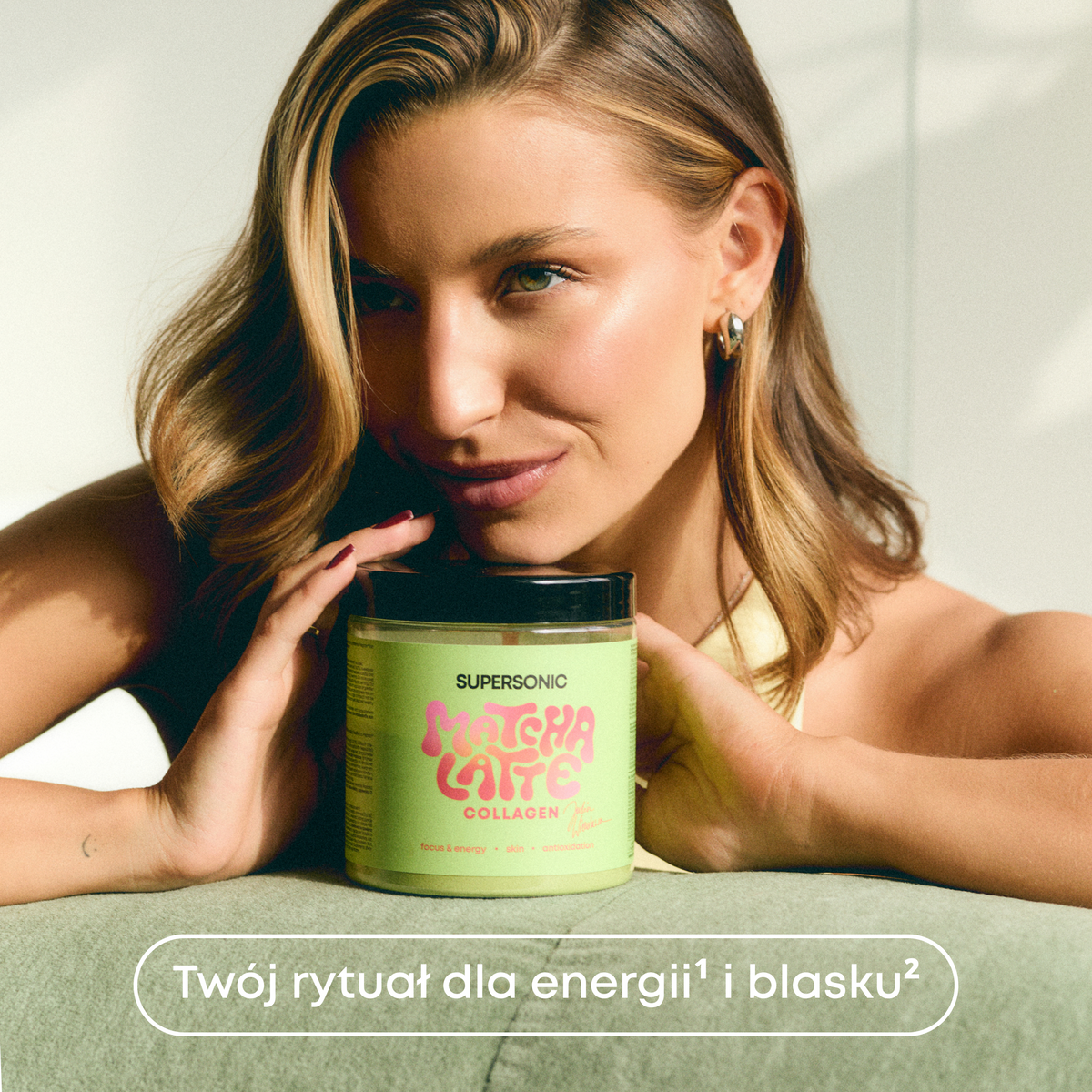
Matcha Latte Collagen
Gotowy napój matcha latte z mlekiem kokosowym i skutecznym kolagenem


