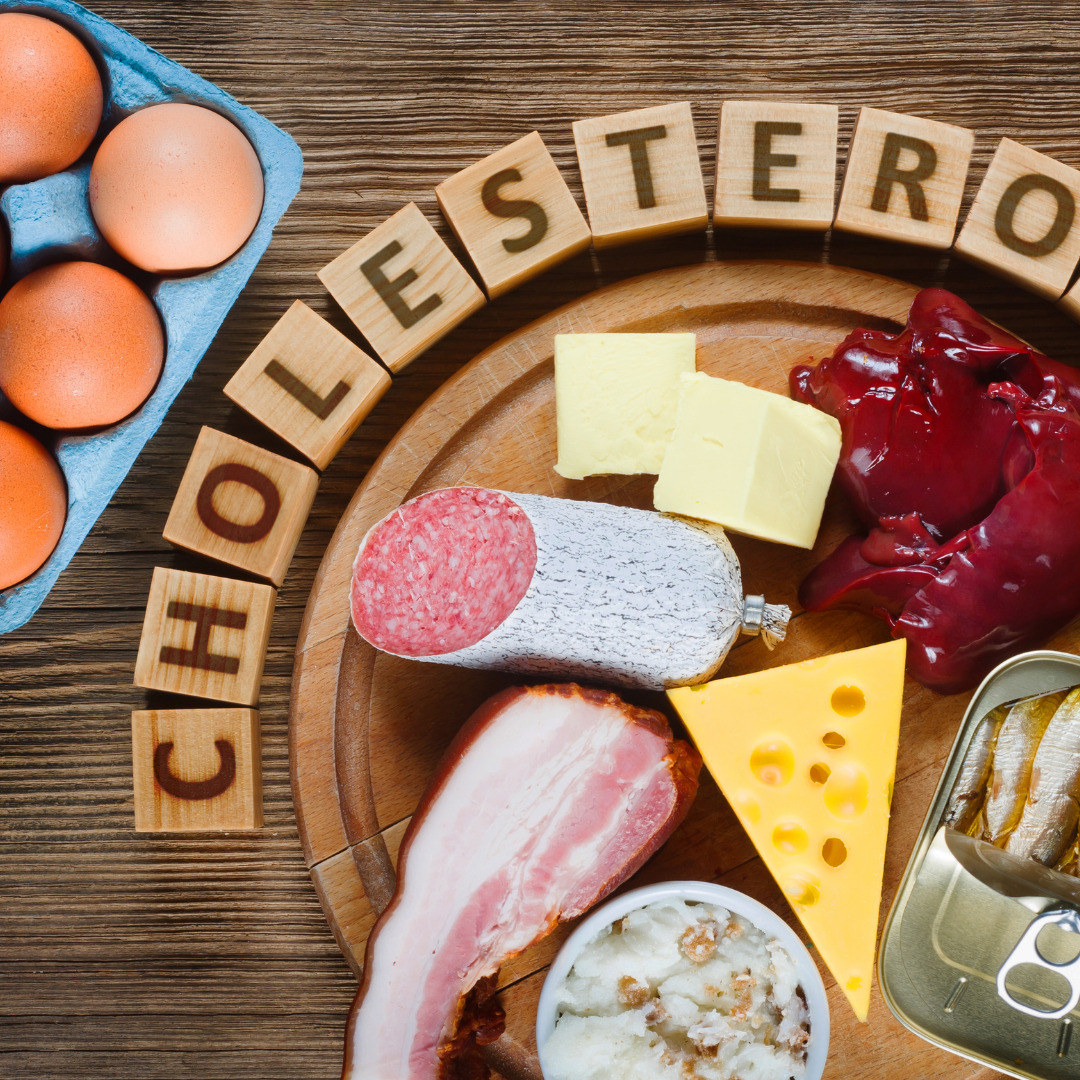

Cholesterol is a lipid (lipid) found in all cells of the body and performing a number of important functions. It is necessary for the synthesis of steroid hormones, vitamin D and bile acids, which are responsible for fat digestion. Excess cholesterol, especially in the form of LDL (low density lipoproteins), can lead to atherosclerosis, i.e. the accumulation of cholesterol deposits in the arterial walls, which increases the risk of cardiovascular disease.
The fight against elevated cholesterol prevents heart disease. One of the most effective ways of cholesterol control is changing your diet. In this article, we will discuss how the diet affects the level of cholesterol and present practical tips on its modification to reduce cholesterol.
Cholesterol diet - how to lower your cholesterol with diet? The most important rules
A healthy diet can significantly reduce cholesterol. The basic principles of cholesterol diet include the choice of healthy fats, increasing fiber intake and avoiding processed food.Rules
1. Editoring the consumption of saturated fats
Saturated fats increase LDL cholesterol. They are mainly found in products of animal origin, such as fatty meat, full -fat dairy products, butter and processed food products.2. The growth of fat saturated with unsaturated fats
Unsaturated fats lower LDL cholesterol and increase HDL cholesterol (high density lipoproteins). Healthy sources of unsaturated fats include vegetable oils (olive oil, rapeseed oil), nuts, seeds, avocado and fatty fish.3. Fiber consumption
Fiber, especially soluble fiber, can help reduce cholesterol. Fiber -rich products include fruit, vegetables, whole grain cereal products, legume seeds and nuts.4. Cholesterol intake from the diet
Food rich in cholesterol is mainly animal products such as offal, egg yolks and shrimp. While the elimination of these products is not necessary, it is important to limit their consumption.5. Consumption of plant sterols
Sterols and plant stannels are found in small amounts in many fruits, vegetables, nuts, seeds, legumes and vegetable oils. It has been shown that they can lower LDL cholesterol.What should a cholesterol reduction diet look like?
The cholesterol reduction diet should be balanced and rich in natural products, while at the same time limit processed food and rich in saturated fats and cholesterol.Diet pattern:
Breakfast:- Porridge with fruit and nuts:
- Oats are a source of soluble beta-glucan fiber that helps in lowering cholesterol.
- Orange juice enriched with plant sterols.
- Salad of mixed vegetables (tomato, cucumber, pepper, spinach) with the addition of grilled salmon or other fatty fish.
- Vinaigrette sauce based on olive oil.
- Whole grain couscous with baked vegetables and chickpeas.
- Chicken fillet baked without skin.
- Avocado salad.
- A handful of walnuts or almonds.
- Apple or pear.
What lowers cholesterol? Products and tips
To lower cholesterol, it is worth reaching for the right products and using some tips. Fatty fish, rich in omega-3 fatty acids, can help in lowering triglycerides and LDL levels as well as HDL raising. Nuts such as almonds or walnuts contain healthy fats, fiber and antioxidants that have a positive effect on cholesterol. Olive oil is a source of monounsaturated fatty acids that can lower LDL. Legumes, such as beans and lentils, are rich in soluble fiber, which has a positive effect on cholesterol. Fiber -rich fruits and vegetables, such as apples, pears, plums, carrots or broccoli, are also great sources of soluble fiber. When it comes to tips, it is important to regularly eat small meals, which helps maintain a constant energy level and avoid cholesterol levels. Salt consumption should also be reduced, because excess salt can increase blood pressure, which in turn affects the health of blood vessels. Avoiding processed foods, often containing harmful saturated fats, sugars and salt, is another step in maintaining a healthy cholesterol level.Cholesterol lowering diet - sample menu
Sample menu:
Breakfast: Porridge on vegetable milk with the addition of berries and linseed. Green tea. Snack: Slices of carrots and celery with hummus. Lunch: A sandwich of whole -grain bread with avocado, tomato and spinach leaves. Vegetable and fruit juice (e.g. carrots, apple, beetroot). Lunch: Baked salmon with millet and broccoli. Salad with rocket, cherry tomatoes and pine nuts. Water with lemon. Dinner: Tomato cream soup and paprika. Fruits to choose (e.g. apple, pear).Physical exercises and cholesterol levels
Regular physical activity also plays an important role in maintaining the correct level of cholesterol. Exercises increase HDL (good) cholesterol, and also help in lowering LDL (bad) and triglyceride levels.Benefits of regular exercises:
- Weight reduction - weight loss, even to a small extent, can improve cholesterol levels.
- Improving cardiovascular health - Physical activity strengthens the heart and improves blood circulation.
- Reduction of stress - regular physical effort reduces the level of stress, which can indirectly affect cholesterol levels.
Recommended forms of exercise:
- Cardio: Running, fast walking, cycling, swimming.
- Strength exercises: Resistance training, exercises with your own body weight, weightlifting.
- Relaxation exercises: Yoga, pilates, stretching.
Summary
Diet plays an important role in controlling cholesterol. The introduction of appropriate changes in the diet, such as increasing the consumption of healthy fats, fiber and limiting saturated and cholesterol fats, can significantly reduce LDL and HDL. Regular physical activity is also necessary in the fight against elevated cholesterol. Remember that lifestyle changes may require time and perseverance, but they result in improvement in cardiovascular health and general well-being. Consultation with a doctor or dietitian can be helpful in adapting the diet to individual health needs.Footnotes
Anderson, J. W., & Ward, K. (2000). High-carbohydrate, high-fiber diets for insulin-treated men with diabetes mellitus. The American Journal of Clinical Nutrition, 32 (11), 2312-2315. Katan, M. B., Grundy, S. M., Willett, W. C. (1997). Should a low-fat, high-carbohydrate diet be recymended for everyone? Beyond low-Fat diets. The New England Journal of Medicine, 337 (8), 563-566. Kris-Etherton, P. M., & Innis, S. (2007). Position of the American Dietetic Association and Dietitians of Canada: dietary fatty acids. Journal of the American Dietetic Association, 107(9), 1599-1611. Mata, P., Alonso, R., & López-Farré, A. (2008). Sterol and stanol functional foods for reducing dietary cholesterol intake – an update. Nutrition Bulletin, 33(4), 321-329.
Dietician
Karolina Dobrowolska-Zrałka
doctor of medical sciences and health sciences, clinical dietitian A graduate of first and second cycle studies in dietetics and a doctoral student at the Doctoral School Medical University of Wrocław
Więcej artykułów autoraLooking for a nutritious and filling meal?
Discover Supersonic Smart Meal! A nutritious meal you can prepare in seconds!

5| 193 reviews


