

Matcha contains caffeine, which has a stimulating effect on the nervous system, but its action profile differs from coffee thanks to the presence of L-theanine, which stabilizes arousal and limits sudden energy spikes. Substance addiction means loss of control over consumption, compulsion, and clear withdrawal symptoms. In the case of matcha, the caffeine content and the way it affects the body are crucial. Caffeine affects adenosine receptors in the brain and increases alertness, so with regular consumption, the body adapts to its presence. Matcha does not contain substances with an addictive potential comparable to nicotine or alcohol. Its action is physiological and results from the properties of caffeine, the safe consumption of which has been specified in the recommendations of health institutions. Answering the question about addiction requires a distinction between habit and clinical dependence.
Recommended products
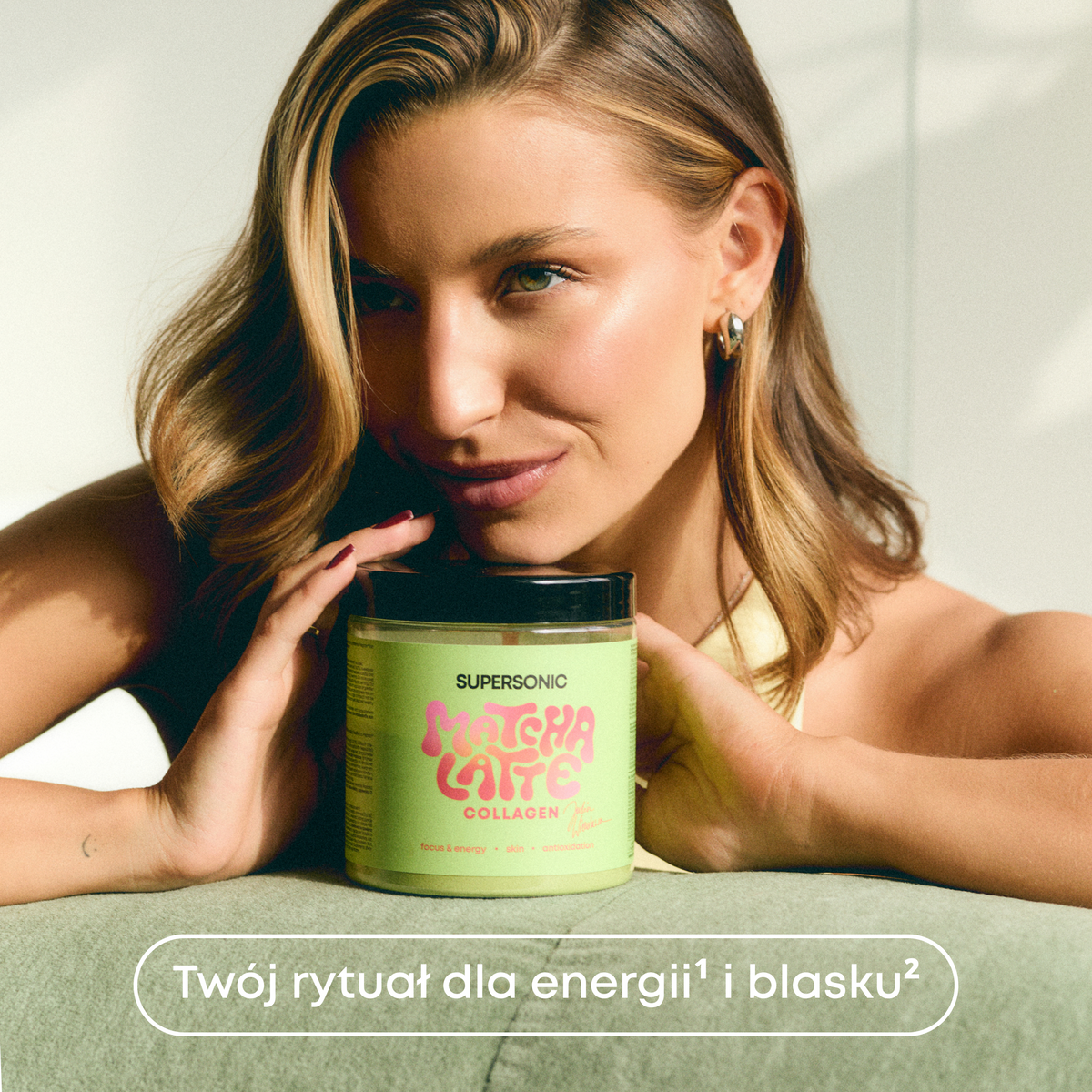

Caffeine in matcha – how does it affect the brain?
Caffeine blocks adenosine receptors responsible for the feeling of fatigue, which leads to increased alertness and improved concentration. In matcha, caffeine is accompanied by L-theanine, which affects alpha waves in the brain and stabilizes the effect of stimulation. The combination of these compounds provides a more controlled effect than the caffeine present in coffee alone. Stable energy release reduces the feeling of a sudden drop in concentration. Regular caffeine consumption leads to the adaptation of adenosine receptors, which means that the body gets used to its presence. Adaptation does not equal clinical dependence, but physiological tolerance. In practice, this means that sudden withdrawal may cause a temporary headache or loss of energy, but these symptoms are short-lived and mild compared to addictive substances.
Can you quit matcha without symptoms?
Stopping matcha effectively means limiting your caffeine intake. People who drink it regularly may experience a temporary loss of concentration or a feeling of fatigue, which results from the adaptation of receptors in the brain. These symptoms disappear within a few days and are not clinically addictive. The lack of compulsion to drink and the lack of loss of control over the amount of consumption distinguishes matcha from substances with a strong addictive potential. Moderate consumption of 1-2 servings per day is within safe caffeine limits set by health authorities. Controlling your total amount of caffeine from other sources is crucial to maintaining balance. A responsible approach to consumption eliminates the risk of excessive tolerance.
Recommended products


Matcha and the habit of the morning ritual
Drinking matcha in the morning often becomes part of a daily ritual, which is sometimes confused with addiction. The ritual builds the structure of the day and supports concentration, but its nature is behavioral, not chemical. Many people associate the consumption of matcha with a moment of concentration or a break at work, which strengthens positive associations. This behavior does not mean that you have lost control over your consumption. A habit differs from an addiction in the lack of coercion and negative consequences when breaking it. Matcha's stable energy profile promotes regularity, but does not generate a mechanism for compulsive reaching for the next portion. Consciously limiting the amount of caffeine you consume maintains balance and eliminates the risk of excessive tolerance.
How much matcha can you drink without risk?
Safe caffeine intake levels for healthy adults are up to approximately 400 mg per day, which includes all dietary sources of caffeine. One serving of matcha provides significantly less than a cup of strong coffee, so moderate consumption is within a safe range. Controlling the total amount of caffeine from coffee, energy drinks and teas is crucial to maintaining balance. Drinking 1-2 servings a day does not lead to addiction, but provides stable support for concentration. Conscious dosage and observation of the body's reactions are the basis for the safe use of matcha properties.
FAQ – most frequently asked questions
Is matcha as addictive as coffee?
Matcha contains caffeine, but its effect is more stable thanks to the presence of L-theanine.
Does stopping matcha give you a headache?
People who consume a lot of caffeine may experience a temporary headache resulting from the body's adaptation.
Can you drink matcha every day?
Moderate consumption of 1-2 servings a day is within safe limits.
Does matcha cause caffeine tolerance?
Regular consumption leads to adaptation, but controlling the amount eliminates an excessive increase in tolerance.
Sources:
EFSA – Scientific opinion on caffeine safety. NIH – Caffeine and the Brain. Camfield D.A. et al. L-theanine and caffeine interaction. Nutritional Neuroscience. Juliano L.M., Griffiths R.R. A critical review of caffeine withdrawal. Psychopharmacology.

Matcha Latte Collagen
Gotowy napój matcha latte z mlekiem kokosowym i skutecznym kolagenem


