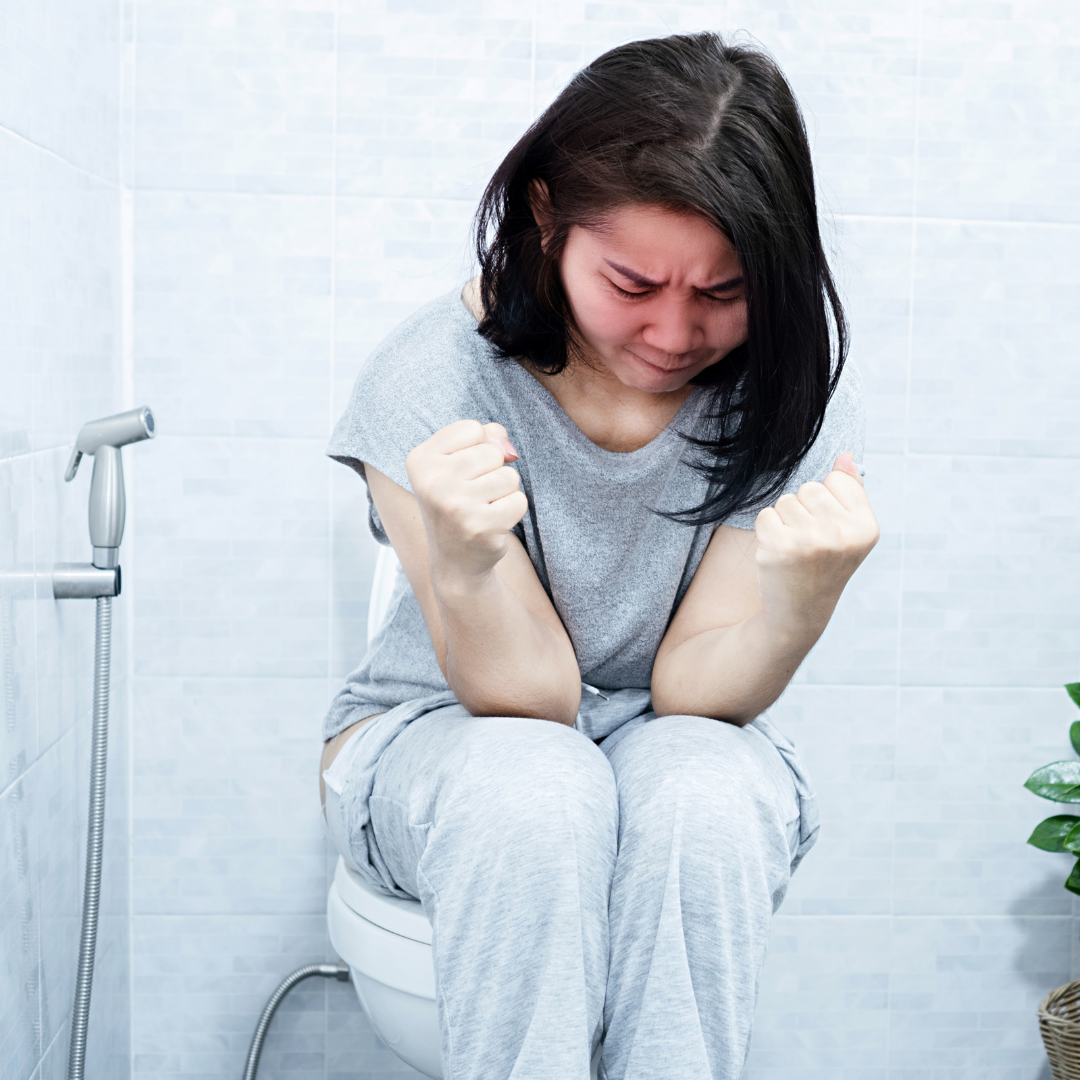

Constipation, also known as constipation, is a common ailment that affects both children and adults. It is estimated that this problem affects about 14% of the population around the world, with a frequency of 2% to 27% depending on the region and the demographic group. In this article we will discuss the main causes of constipation, their symptoms and effective methods of treatment and prevention.
Constipation - what is this?
Constipation is a state in which difficulties in defecation occur, often accompanied by a feeling of incomplete bowel movement. Medically, constipation is defined as the occurrence of less than three bowel movements a week. This condition can be temporary or chronic, depending on the duration and severity of the symptoms.Figure physiology and constipation
The proper functioning of the digestive system depends on the harmonious cooperation of many organs, including stomach, intestines and anal sphincter muscles. Intestinal peristalsis disorder or reduction of mucus and enzyme secretion can lead to constipation. Elements of the defecation process are intestinal cramps and the appropriate consistency of the stool.Constipation - symptoms
People suffering from constipation can experience many unpleasant symptoms, including:- Rare bowel movements - Less than three times a week.
- Hard and dry stools - which causes difficulties in their excretion.
- Abdominal pain - caused by the accumulation of fecal masses.
- Feeling of incomplete bowel movement - Even after donating the stool.
Other accompanying symptoms
Sometimes constipation can lead to more serious health problems. Symptoms such as:- Flatulence and excessive gas production
- Irritability and general malaise
- Mucus in the stool
What causes constipation?
Dietary factors
As a dietitian, I know that one of the main ones causing constipation is the wrong diet. The low supply of dietary fiber is a key element, because fiber plays an important role in maintaining proper intestinal peristalsis. Insufficient fluid also contributes to constipation, because water makes it easier to move food through the intestines. In addition, a diet rich in fat and low in fruits and vegetables promotes the formation of hard, dry stools, which intensifies the problem of constipation.Health factors
Different diseases and diseases can lead to constipation, including irritable bowel syndrome (IBS), which is characterized by alternating constipation and diarrhea. Endocrine diseases such as hypothyroidism lead to a reduction in intestinal motor skills. Neurological disorders, including multiple sclerosis, affect the functioning of the nervous system, which controls intestinal peristalsis, also contributing to problems with defecation.
Lifestyle factors
Lifestyle also plays an important role in the formation of constipation. Lack of physical activity negatively affects intestinal peristalsis, which can lead to problems with defecation. Stress can also interfere with the functioning of the digestive system, intensifying constipation. Excessive alcohol and coffee consumption can lead to dehydration, which further hinders the proper functioning of the intestines.How to treat constipation?
Treatment of constipation can be implemented with various methods that can be divided into pharmacological and non -pharmacological, as well as using home methods. Pharmacological approaches to treatment include laxatives, such as bisacodil, which stimulates the intestines to greater activity, osmotic agents, such as lactulose, increasing the water content in the stool, and preparations softening stools that make their excretion easier. Non -pharmacological methods focus on changes in the lifestyle and diet. Increasing fiber consumption to 25-30 grams a day is often recommended, as well as the right fluid, i.e. drinking at least 2 liters of fluid a day. Regular physical activity, such as daily walks or aerobic exercises, also supports intestinal peristalsis. Homemade methods include the use of chia seeds and linseed, which are rich in fiber and omega-3 fatty acids, thus supporting intestinal work. Herbal decoctions, such as infusions of chamomile and mint, can help alleviate bloating and improve digestion.Dietary recommendations for constipation
The diet of a person struggling with constipation should be rich in dietary fiber, which can be found in whole grains, fruit, vegetables and legumes. It is especially worth consuming fruit and vegetables containing a lot of water and fiber, such as plums, apples and broccoli. Probiotics and prebiotics present in yogurt and silage support intestinal health by improving intestinal microbiota. People suffering from constipation should avoid highly processed products, rich in saturated fats and simple sugars that can slow down intestinal peristalsis. Raled drinks and alcohol can lead to dehydration, which negatively affects the consistency of the stool. It is also important to follow regular meals, avoid long breaks between them and eat them at permanent times. Accurate chewing of food supports the digestion process and facilitates intestinal work.Prevention of constipation
Introduction of healthy habits
Lifestyle changes are important in preventing constipation:- Physical movement - a minimum of 150 minutes of moderate physical activity per week.
- Sleep hygiene - a regular, peaceful sleep has a positive effect on the digestive system.
Regular medical examinations
People with chronic constipation should regularly consult a doctor in order to exclude more serious diseases, such as colorectal polyps or metabolic diseases.Psychological significance
Psychological support and dealing with stress can contribute to mitigating the symptoms of constipation. Relaxation techniques such as yoga or meditation can be very helpful.Summary
Constipation is a common health problem, which can be the result of various dietary, health and lifestyle factors. Important in the treatment and prevention of constipation is the implementation of appropriate nutritional changes and lifestyle habits. Regular physical activity, a proper diet rich in fiber and proper hydration are the foundations of a healthy digestive system.Sources
Global Prevalence of Functional Constipation: A Systematic Review. Charlotte Wang, Michael Y.C. Lam, Eric Y.L. Poon, et al. World Journal of Gastroenterology. 2021. Rome IV Criteria for Functional Gastrointestinal Disorders. Rao, Satish s.c., et al. Gastroenterology. 2016. Management of Irritable Bowel Syndrome. Bösner, Stefan, et al. Bmj. 2020. Hypothyroidism and the gastrointestinal tract. Ebert, E.C. Journal of Clinical Gastroenterology. 2010. Pharmacotherapy for constipation. Wald, Arnold. Drugs. 2004. Probiotic use in the management of constipation. Dimidi, Eirini, et al. Wgo. 2018.
Dietician
Karolina Dobrowolska-Zrałka
doktor nauk medycznych i nauki o zdrowiu, dietetyk kliniczny Absolwentka studiów I i II stopnia na kierunku dietetyka oraz doktorantka w Szkole Doktorskiej Uniwersytetu Medycznego we Wrocławiu
Więcej artykułów autoraLooking for a nutritious and filling meal?
Discover Supersonic Smart Meal! A nutritious meal you can prepare in seconds!

150 reviews


