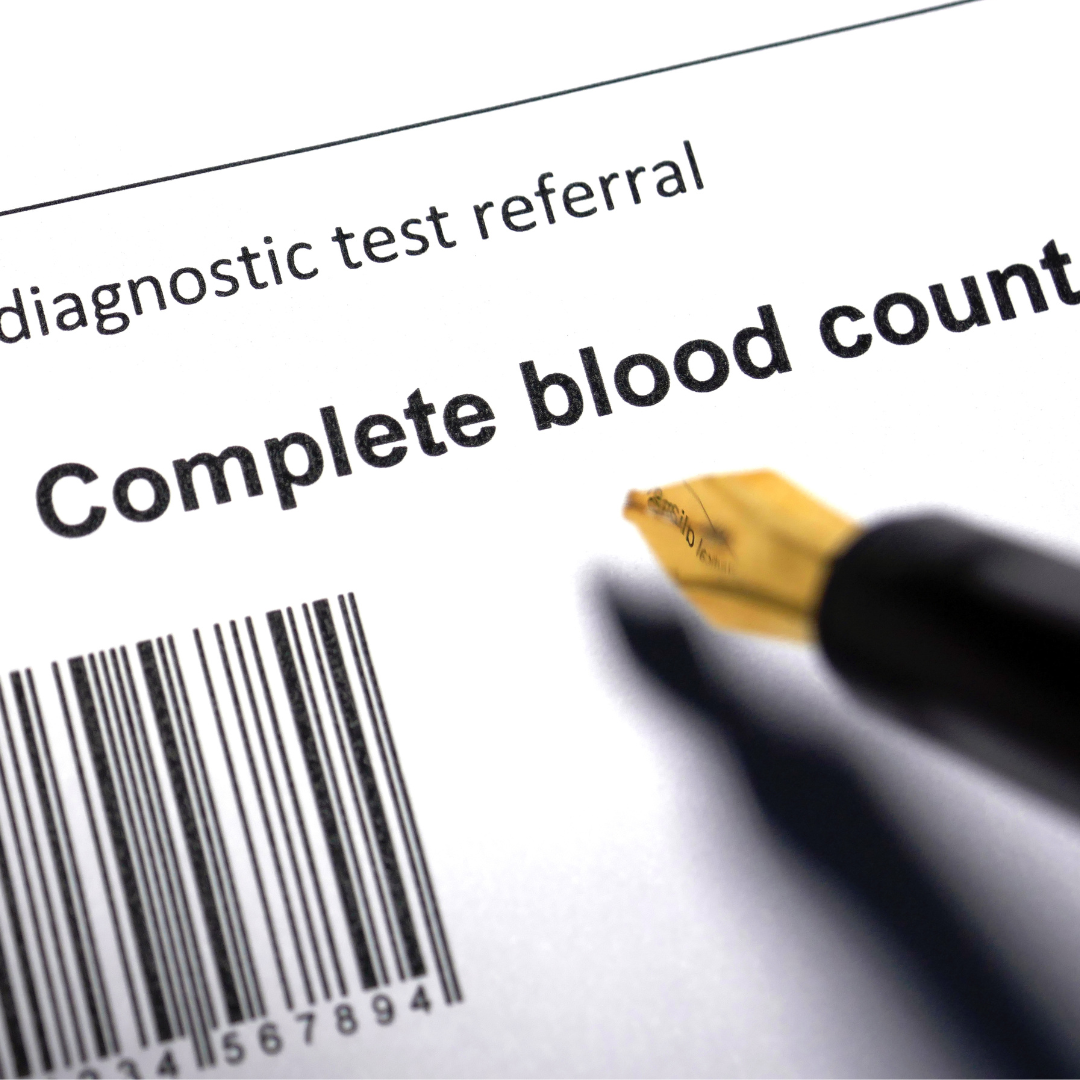

Blood morphology for one of the most common diagnostic tests. The patient's overall health, as well as the detection of various diseases as a result of the disease. Morphology allows the occurrence of appropriate blood ingredients, such as red blood cells, white blood cells and platelets. This is a quick test and virtually inaccessible, which is why it is often recommended during routine control.
Blood morphology - what is it?
Blood morphology, known as full blood counts (CBC), is one of the most frequently performed diagnostic tests. It is a basic tool for general health assessment and is available in the diagnosis of many patients. The test involves the quantitative and qualitative of individual different blood, such as red blood cells (erythrocytes), white blood cells (leukocytes) and platelets (thrombocytes). During blood counts, three main cell lines are analyzed:- Erythrocytes (red blood cells): They are suitable for transport from lungs to dangerous and carbon from carbon to lungs. They contain hemoglobin, factors that contain oxygen.
- Leukocytes (white blood cells): they are important in the fight against infections and participating in immune reactions. They are divided into various subtypes, including neutrophils, lymphocytes, monocytes, eosinophils and base.
- Thrombocytes (platelets): They play the main weapon in blood clotting, basic bleeding after injuries.
Blood morphology - what to take?
Blood morphological examination provides results that apply to health effects:- Number of erythrocytes (RBC - Red Blood Cells): Index of the number of red blood cells for a blood microLit. Low values may result in anemia, while high values can ensure dehydration or blood diseases such as polycytia.
- Hemoglobin (HB): Measures the amount of hemoglobin in the blood. Incorrect values may indicate anemia or other hemoglobin disorders.
- Hematocrit (HCT): Blood rate indicator removed by erythrocytes. It helps in diagnosing anemia, dehydration and other disease diseases.
- Average amount of erythrocytes (MCV - Mean Corpuscular Volume): helps in determining the type of anemia. The low MCV indicates microcytic anemia, high macrocytic anemia.
- The number of leukocytes (WBC - White Blood Cells): Index of the number of white blood cells. Changes in red leukocytes can be manifested in infections, inflammation, autoimmune diseases and cancer.
- Differentiation of leukocytes: Percentage analysis of individual white blood cells, such as neutrophils, lymphocytes, monocytes, eosinophils and base.
- Number of platelets (PLT - platelets): helps in diagnosing blood to coagate. The low number can be marked to more bleeding and high for blood clots.
Blood morphology with smear - how is it different?
Blood morphology with smear for a more detailed examination, in which there are only specific indicators of individual blood, but also their shape, size and other morphological features. Blood smear involves applying a drop of blood to the microscopic slide and spreading it, and then dyeing and viewing under a microscope. A specialist in medical laboratories, including various blood components in terms of their prevention, which contains additional diagnostic information.- Neutrophils - The presence of young people from neutrophils, so -called chopper, can occur about acute bacterial infections.
- Lymphocytes - Impregnation of the number of lymphocytes can cause viral effects or some cancers.
- Eosinophils - The increase in the number of these cells can threaten allergies and parasitic infections.
- Monocytes - The monocyte load can be launched on stationary power supply.
- Bazophiles - be used in allergic conditions and bone marrow diseases.
Blood morphology - norm
With the results of blood counts, it is important that they are interpreted in accordance with the results of laboratory standards. The norm may apply to the dependence on the laboratory, sex and the patient's health.Below basic standards for indicators
Erythrocytes (RBC)
- amounts: 4.5-5.9 million/µl
- Women: 4.1-5.1 million/µl
Hemoglobin (HB)
- Pressure measurement: 13.8-17.2 g/dl
- Women: 12,1-15.1 g/dl
Hematocrit (HCT)
- Knowledge level: 41-50%
- Women: 36-44%
MCV
- 80-96 liters
Leukocytes (WBC)
- 4000-10,000 cells/µl
Platelets (PLT)
- 150,000–450,000/µl
How to deal with blood counts?
Preparation for the study of blood counts is important that it is made and reliable. Here are some details:- Post - It is recommended that the patient be on an empty stomach, i.e. not consumed for at least 8-12 hours before taking blood. Water is allowed.
- Medicines - Patients should be taken by doctors about all drugs and dietary supplements, because some of them may be included in the test results.
- Unique explanation - It is recommended to avoid using the solution the day before the test.
- Stress - The user should be examined before the examination, because stress can be released on selected blood markers.
- External factors - Avoid alcohol consumption and smoking before testing. Compliance with these recommendations is the most likely and caused by the patient's health.
Sources
Hoffbrand, AV and Moss, PAH (2016). Basic hematology. John Wiley & Sons. Turgeon, ML (2012). Clinical hematology: theory and procedures. Lippincott Williams & Wilkins. Bain, B., Bates, I., Laffan, M., & Lewis, SM (2016). DAY AND LEWS Practical hematology. Elsevier Health Sciences. Kaushansky, K., Lichtman, Ma, Prchal, JT, Levi, Mm, Press, OW, Burns, LJ and Caligiuri, M. (2015). Williams' hematology. McGraw Hill Professional.
Dietician
Karolina Dobrowolska-Zrałka
doktor nauk medycznych i nauki o zdrowiu, dietetyk kliniczny Absolwentka studiów I i II stopnia na kierunku dietetyka oraz doktorantka w Szkole Doktorskiej Uniwersytetu Medycznego we Wrocławiu
Więcej artykułów autoraLooking for a nutritious and filling meal?
Discover Supersonic Smart Meal! A nutritious meal you can prepare in seconds!

150 reviews


