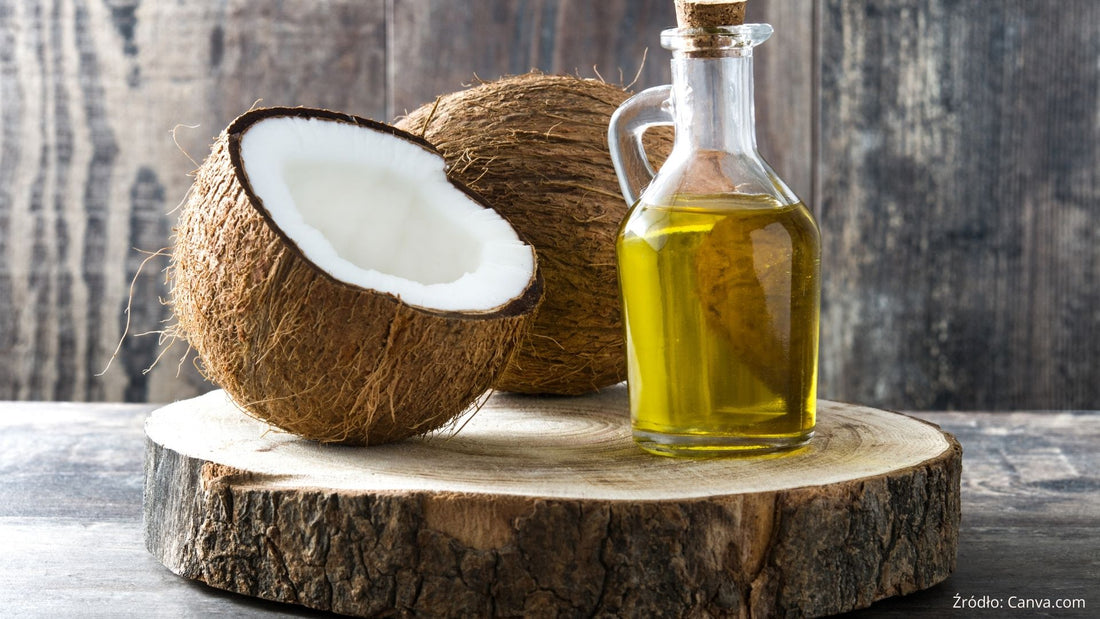

Coconut oil is one of the most versatile oils that has gained popularity in both the kitchen and cosmetics. Its rich composition, including the high content of saturated fats, makes him valued for its health and care properties. In this article, we will look at how coconut oil affects hair, health, what are the differences between refined and unrefined coconut oil, and what are its therapeutic and culinary applications.
Coconut oil for hair - how does it affect the condition and care of hair?
Coconut oil has long been used as a natural hair care agent. Thanks to its unique molecular structure, this oil easily penetrates the hair, moisturizing and strengthening it from the inside. Regular use of coconut oil can contribute to strengthening the hair, reduce their brittleness and prevent loss. In addition, coconut oil is an effective anti -dandruff, moisturizes the scalp and reduces irritation. Thanks to this, it can also help soothe itching and problems associated with dry scalp. To get the best results, it is worth massaging the coconut oil into the scalp and hair, leave for a few hours or overnight, and then wash your hair thoroughly. In addition, coconut oil can also protect hair against damage caused by external factors, such as UV radiation or environmental pollution.Is coconut oil healthy? Review of the benefits and potential effects on health
Coconut oil is rich in saturated fatty acids, which is controversial in the context of heart health. However, studies show that some fatty acids, especially laurel acid, can have a positive effect on health. Lauric acid, constituting about 50% of the fat content in coconut oil, has an antimicrobial effect, which can support the immune system. Coconut oil can also support metabolism and contribute to weight loss by increasing calorie burning. It is worth remembering, however, that despite the potential benefits, the consumption of coconut oil should be moderate, due to its high caloric content and the content of saturated fats. In addition, people with increased risk of cardiovascular disease should consult a doctor before including coconut oil in their diet.Refined or unrefined coconut oil? Differences, advantages and disadvantages of both types
The choice between refined and unrefined coconut oil may depend on the purpose for which it is to be used. Unrefined oil, also called "virgin", is cold pressed, which allows you to preserve most of its nutrients, including vitamins and polyphenols. It has an intense, coconut aroma and taste, which makes it ideal for culinary applications that require such a taste profile. In turn, refined oil is cleaned, which removes its natural taste and smell, but increases its durability and resistance to high temperatures, making it more universal for frying. The choice between these two depends on personal preferences and intended use. It is also worth noting that the refining can reduce some oil nutritional values, which is why for people looking for natural products, unrefined coconut oil can be a better choice.Coconut oil - what can it help? Therapeutic and cosmetic use
Coconut oil is known for a wide spectrum of therapeutic and cosmetic applications. In cosmetics, it is valued for its moisturizing and regenerating properties, thanks to which it is eagerly used in skin care, hair and nails. It can be used as a natural body lotion, removal makeup, as well as a component of face masks. In natural medicine, coconut oil is used as a wound healing agent, as well as a natural antibiotic and anti -fungal agent. Its regular use can support skin health, prevent infections and improve the overall health. It is also worth noting that coconut oil can be used as a natural remedy for insect bites, soothing itching and accelerating skin healing.The use of coconut oil - various ways to use in the kitchen and care
Coconut oil is extremely versatile and is used in many aspects of everyday life. In the kitchen it can be used for frying, baking, as well as an addition to smoothie or coffee. Thanks to its high smoke point, coconut oil is ideal for preparing dishes at high temperatures, while maintaining its properties. In care, coconut oil can be used as a body lotion, massage agent, as well as a natural moisturizing agent for dry skin parts. Its use is wide, and the benefits of its use make it irreplaceable both in the kitchen and in daily care. In addition, coconut oil can be used as a component of homemade cosmetics, such as body peels or hair conditioners, which allows you to create natural, healthy care products without chemical additives.Summary
Coconut oil, thanks to its unique properties, is a valuable ingredient in both the diet and care. His health benefits, versatility of applications and the variety of forms make it one of the most frequently chosen oils both by supporters of a healthy lifestyle and cosmetologists. The choice between refined and unrefined coconut oil depends on individual needs and applications, and its regular, moderate consumption can bring many health benefits.Sources
Smith, R.E., & Jones, L.M. (2021). Coconut Oil: Health Benefits and Risks. Journal of Nutritional Science, 20 (3), 45-58. Williams, A.C., & Barry, B.W. (2020). Topical Application of Coconut Oil: A Review of Its Antimicrobial and Moisturizing Properties. International Journal of Cosmetic Science, 42 (2), 109-115. Brown, T.M., & Harris, J.P. (2019). Comparison of Virgin and Refined Coconut Oils in Cooking Applications. Food Chemistry, 289, 250-259. Davis, S.A., & Miller, W.R. (2020). The role of lauric acid in health: a comprehensive review. Lipids in Health and Disease, 19 (1), 230-242.
Dietician
Karolina Dobrowolska-Zrałka
doktor nauk medycznych i nauki o zdrowiu, dietetyk kliniczny Absolwentka studiów I i II stopnia na kierunku dietetyka oraz doktorantka w Szkole Doktorskiej Uniwersytetu Medycznego we Wrocławiu
Więcej artykułów autoraLooking for a nutritious and filling meal?
Discover Supersonic Smart Meal! A nutritious meal you can prepare in seconds!

150 reviews
![Ranking kreatyny [2026] - TOP 10 produktów, które warto znać](http://supersonicfood.com/cdn/shop/articles/kreatyna-ranking_c1a64d3a-0854-4df3-8a54-c034300baab7.jpg?format=webp&v=1786623654&width=1100 "Ranking kreatyny [2026] - TOP 10 produktów, które warto znać")


