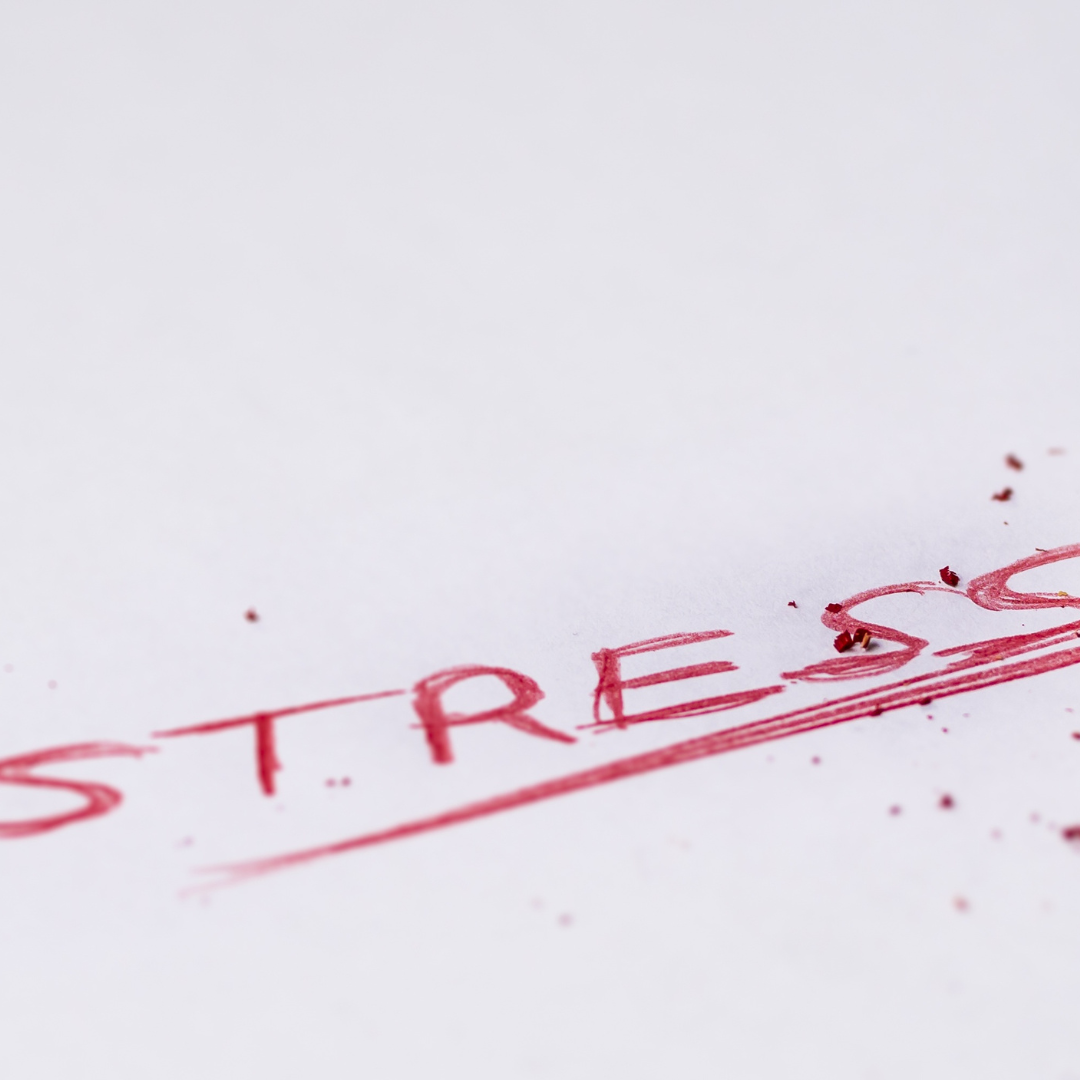

Chronic stress is a condition in which the body is constantly exposed to stressful stimuli, which leads to many negative health effects. Unlike short -term stress, which can mobilize for action, long -lasting stress has a destructive effect on physical and mental health. In this article, we will discuss how to recognize the symptoms of chronic stress, how to check if you are exposed to it, and what are the effective methods of treatment and dealing with it. We will also present what a long -term exposure to stress can lead to.
Chronic stress symptoms - how to recognize long -lasting stress and what symptoms appear?
Chronic stress manifests itself in various ways, both physically and mentally. Understanding these symptoms is important for early intervention and preventing more serious health effects. Symptoms can be subtle and develop gradually, which makes them easy to overlook. The physical symptoms of chronic stress include, among others Persistent headaches, migraines, muscle tension, especially around the neck and shoulders, sleep disorders such as insomnia or frequent waking up at night, fatigue that does not give way despite rest, and digestive system problems such as diarrhea, constipation or irritable bowel syndrome (IBS). Chronic stress can also lead to weight gain, especially around the abdomen, which is associated with elevated cortisol levels, stress hormone. Mental symptoms include a feeling of anxiety, irritability, difficulty with concentration, reduced decision -making ability and a sense of overwhelming everyday duties. People with chronic stress often also experience a decrease in mood that can lead to depression. There is also a feeling of social insulation, because these people can avoid contacts with other people. Behavioral symptoms of chronic stress include changes in eating habits (excessive food or lack of appetite), abuse of substances such as alcohol, tobacco or drugs, and a tendency to avoid duties and responsibilities. This may also include changes in everyday routine, such as neglecting personal hygiene or avoiding physical activity.Test for chronic stress - check if you are exposed to chronic stress with a simple test
Diagnosis of chronic stress can be difficult, especially when the symptoms increase gradually. However, there are simple self -esteem tests that can help in assessing the level of stress and its impact on everyday life. These types of tests are based on answers to questions about physical, mental and behavioral symptoms that may indicate chronic stress.An example test for chronic stress may include questions such as:
- Do you often feel tired, even though you have enough sleep?
- Do you have difficulty concentrating on tasks?
- Do you often feel overwhelmed with daily duties?
- Do you notice changes in your eating habits such as excessive food or lack of appetite?
- Do you have difficulty falling asleep or wake up at night and you can't sleep again?
Chronic stress treatment - effective strategies and methods of treating long -term stress
Treating chronic stress requires a holistic approach that combines medical interventions with lifestyle changes. Depending on the severity of symptoms, treatment may include psychological intervention, pharmacotherapy and relaxation techniques. Psychological therapy, especially cognitive behavioral therapy (CBT), is one of the most effective methods, focusing on identifying and changing negative thought patterns and behaviors that increase the experience of stress. CBT enables patients to learn stress management techniques, which leads to a reduction in the severity of symptoms. In more serious cases, when stress seriously interferes with daily functioning, drug therapy is used, in which the doctor may prescribe anti-anxiety drugs, antidepressants or beta-blockers that alleviate both physical and mental symptoms. It is important that drug therapy is supervised by a specialist who will adjust doses and monitor possible side effects. Relaxation techniques such as meditation, yoga, tai chi and conscious breathing are also an important element of treatment. If practiced regularly, they can significantly reduce stress levels by reducing muscle tension, lowering cortisol levels and improving sleep quality. Lifestyle changes such as regular physical activity, a healthy diet rich in nutrients, avoiding stimulants and getting enough sleep play an important role in managing stress. Additionally, it is important to find time for relaxation and hobbies that give you pleasure and allow you to break away from everyday problems, which helps you effectively fight chronic stress.How to deal with long-term stress - self-help tips and techniques
Dealing with chronic stress requires introducing specific habits and techniques that help minimize its negative effects. Regular physical activity, such as running, swimming or yoga, is one of the most effective ways to reduce stress because it promotes the release of endorphins, which improve mood and reduce tension. It is important to choose a form of activity that gives pleasure, which increases the chances of doing it regularly. Mindful breathing techniques such as the 4-7-8 method, which involves inhaling for 4 seconds, holding the breath for 7 seconds, and exhaling for 8 seconds, can quickly reduce stress levels by helping to regulate the nervous system and lead to calm and relaxation. Effective time management and prioritization also significantly reduces feelings of overwhelm; it is worth creating realistic daily plans, dividing large tasks into smaller ones and remembering to rest. Social support, maintaining close relationships with family, friends or colleagues, is important in coping with stress because sharing problems and seeking support in difficult times helps relieve tension. Making time for activities that you enjoy, such as reading, painting, gardening or listening to music, is important for mental health by allowing you to unwind regularly. A balanced diet, rich in vitamins, minerals and antioxidants, supports the proper functioning of the nervous system, and avoiding processed products, excess sugar and caffeine, and taking care of regular meals can improve well-being and reduce stress levels.Effects of chronic stress - what does long-term exposure to stress lead to?
Long-term exposure to stress has serious consequences for physical and mental health. Chronic stress not only worsens the quality of life, but can also lead to the development of many diseases.Physical health
Chronic stress is associated with the development of cardiovascular diseases such as hypertension, atherosclerosis and heart attack. The high level of cortisol leads to an increase in blood pressure and heart rate, which increases the risk of damage to blood vessels and the development of heart disease. Stress is also associated with metabolic disorders such as type 2 diabetes, obesity and metabolic syndrome. These disorders result from insulin resistance, which may be intensified by chronic stress.Sanity
Chronic stress is the main risk factor for the development of mental disorders, such as depression, anxiety disorders, as well as a professional burnout syndrome. Prolonged stress leads to the discretion of the hypothalamic-pituitary-inflicted axis, which affects the level of neurotransmitters such as serotonin and dopamine, important for well-being. Chronic stress can also contribute to the development of post -traumatic stress syndrome (PTSD) after experiencing traumatic events.Immune system
Stress weakens the immune system, which increases susceptibility to infections and delays wound healing processes. Chronic stress changes the balance of cytokines in the body, which can lead to inflammation and development of autoimmune diseases such as rheumatoid arthritis.Nutritional health
Chronic stress negatively affects the digestive system, leading to disorders such as irritable bowel syndrome (IBS), gastrointestinal reflux and stomach ulcers. Stress increases the production of gastric acid and changes intestinal motility, which can lead to chronic digestive discomfort.Summary
Chronic stress is a serious health problem that affects many aspects of life. His symptoms can be subtle, but prolonged exposure to stress has serious consequences for physical and mental health. It is important to early recognition of the symptoms of chronic stress and take action to reduce it. Treatment of chronic stress requires a holistic approach, which includes both medical interventions and lifestyle changes. Regular physical activity, healthy diet, relaxation techniques and social support are important in the fight against chronic stress and improving the quality of life.Footnotes
McEWEN, B. S. (2007). Physiology and Neurobiology of Stress and Adaptation: Central Role of the Brain. Physiological Reviews, 87 (3), 873-904. Cohen, S., Janicki -dets, D., & Miller, G. E. (2007). Psychological stress and disc. Jama, 298 (14), 1685-1687. Dhabhar, F. S. (2014). Efists of stress on Immune Function: The Good, The Bad, and the Beautiful. Immunologic Research, 58 (2-3), 193-210. Kivimäki, M., & Steptoe, A. (2018). Efists of stress on the development and progression of cardiovascular disc. Nature reviews cardiology, 15 (4), 215-229. Segerstrom, S. C., & Miller, G. E. (2004). Psychological stress and the humanne system: a meta-analytic study of 30 years of inquiry. Psychological Bulletin, 130 (4), 601-630.
Dietician
Karolina Dobrowolska-Zrałka
doktor nauk medycznych i nauki o zdrowiu, dietetyk kliniczny Absolwentka studiów I i II stopnia na kierunku dietetyka oraz doktorantka w Szkole Doktorskiej Uniwersytetu Medycznego we Wrocławiu
Więcej artykułów autoraLooking for a nutritious and filling meal?
Discover Supersonic Smart Meal! A nutritious meal you can prepare in seconds!

150 reviews


