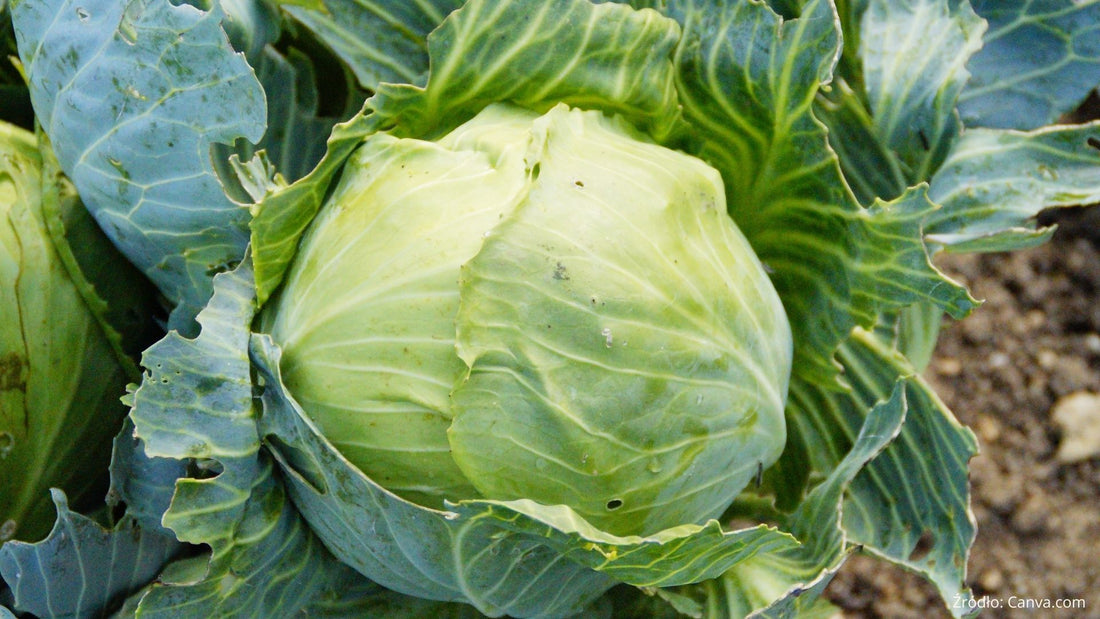

Cabbage has been appreciated for centuries not only in cooking, but also in natural medicine. It is a cruciferous vegetable that has a wide range of health benefits. Regular consumption of cabbage supports the body on many levels - from improving digestion, through strengthening the immune system, to the prevention of chronic diseases such as atherosclerosis and cancer. Thanks to the richness of vitamins and minerals, cabbage is an excellent choice for people who care about a balanced and healthy diet. It is worth taking a closer look at its unique features and finding out exactly what benefits it brings to your health.
Cabbage - a healthy and versatile vegetable with numerous properties
Cabbage is one of the oldest and most versatile vegetables in the world, which has occupied an important place in the cuisines of various cultures for centuries. It belongs to the family of cruciferous vegetables, known for their beneficial effects on health. Its culinary versatility means it can be eaten raw, cooked, pickled and even fried, making it one of the basic ingredients in many traditional dishes. However, cabbage is not only a tasty addition to dishes - it also has impressive health properties that make it a permanent element of a balanced diet. It contains a wealth of nutrients such as vitamins, minerals, fiber and antioxidants that support health on many levels. Eating cabbage can benefit the cardiovascular system, support digestion, strengthen immunity, and have a preventive effect on chronic diseases. It is also worth emphasizing that cabbage is extremely low-calorie, which makes it an ideal ingredient in the diet of people who care about their body weight.Is cabbage healthy? Discover its benefits for the body
Cabbage is a real treasure trove of nutritional values that brings numerous health benefits. One of the elements is the high content of vitamin C, which supports the immune system and acts as a strong antioxidant, protecting cells against the harmful effects of free radicals. Including cabbage in your diet can help protect your body against infections and also support collagen production, which has a beneficial effect on the health of your skin, hair and nails. Another significant benefit of eating cabbage is its positive impact on heart health. It contains potassium, which helps regulate blood pressure, and fiber, which helps reduce LDL cholesterol levels. Regularly eating cruciferous vegetables such as cabbage may reduce the risk of cardiovascular disease, including atherosclerosis. Cabbage is also an excellent source of fiber, which contributes to gut health and supports proper digestion. Fiber increases the volume of food in the intestines, which helps prevent constipation and improves intestinal peristalsis. Additionally, thanks to the presence of sulfur, cabbage has a detoxifying effect, supporting the body's natural cleansing processes. You also can't forget about sauerkraut, which is a natural probiotic. The fermentation process makes cabbage rich in lactic acid bacteria, which have a beneficial effect on the intestinal microflora, supporting the health of the immune and digestive systems.Nutritional values of cabbage - important ingredients for a healthy diet
Cabbage is a vegetable with low calories, but high in nutritional value. There are only about 25 kcal in 100 g of cabbage, which makes it an ideal choice for people who care about their figure. It contains minimal amounts of fats and carbohydrates, but is a rich source of fiber, vitamins and minerals, which are of great importance for health. The most important nutrients in cabbage include:- Vitamin C – supports the immune system, has antioxidant properties, protects cells against oxidative stress.
- Vitamin K - plays an important role in blood clotting and supports bone health.
- Vitamin B6 - It participates in protein metabolism and the production of neurotransmitters.
- Manganese - Trace element necessary for bone and metabolism health.
- Fiber -supports digestion, regulates blood sugar and reduces the risk of cardiovascular disease.
Cabbage as a source of vitamins - discover the wealth of nutrients
Cabbage is an excellent source of vitamins that are necessary to maintain health and proper functioning of the body. One of the most important vitamins present in cabbage is vitamin C. Already a small portion of raw cabbage covers a significant part of the daily demand for this vitamin. Vitamin C is a strong antioxidant that supports the immune system, accelerates wound healing and improves the absorption of iron from food. The second extremely important vitamin, present in cabbage, is vitamin K. It is important for proper blood clotting and bone health. Vitamin K deficiency can lead to problems with wound healing and bone weakness, which increases the risk of osteoporosis. In cabbage we also find other B vitamins, such as vitamin B6, which supports the production of red blood cells and improves the functioning of the nervous system. Regular consumption of cabbage can also contribute to maintaining healthy skin and improving well -being, thanks to the presence of B vitamins.Types of cabbage - varied varieties for various dishes and flavors
Cabbage is a vegetable with many varieties, each of which has its unique taste and health. The most popular types of cabbage are:- White cabbage - The most common variety, ideal for raw salads, cooking and pickling. It is rich in vitamin C and fiber.
- Red cabbage - It is characterized by a higher content of antioxidants, such as anthocyanins, which give it an intense color. Perfect for salads and as an addition to meats.
- Kale - It has characteristic wrinkled leaves, is more delicate in taste and is better suitable for cooking. Often used in stuffed cabbage and soups.
- Chinese cabbage -with a delicate taste, ideal for salads, stir-fry and Asian dishes. It contains less fiber than white cabbage, but is equally rich in vitamins.
- Brussels sprouts - Small cabbage, rich in fiber, vitamin C and K, is a popular addition to baked or cooked dishes.
Summary
Cabbage is a versatile vegetable that should be a permanent element of a healthy diet. Rich in vitamins, minerals, fiber and antioxidants, cabbage supports the health of the immune system, heart, digestion and helps in the prevention of chronic diseases. Thanks to its diverse varieties and culinary versatility, cabbage is a vegetable that can be easily included in everyday meals, enjoying its taste and health benefits. When consuming cabbage, we not only care for health, but also enrich the diet with valuable nutrients.Sources:
Podstedek, A. (2007). Natural antioxidants and antioxidant capacity of brassica vegetables: a review. LWT - Food Science and Technology, 40 (1), 1-11. Verhoeven, D. T., et al. (1996). Epidemiological Studies on Brassica Vegetables and Cancer Risk. CANCER Epidemiology, Biomarkers & Prevention, 5 (9), 733-748. USDA National Nutrient Database.
Dietician
Karolina Dobrowolska-Zrałka
doktor nauk medycznych i nauki o zdrowiu, dietetyk kliniczny Absolwentka studiów I i II stopnia na kierunku dietetyka oraz doktorantka w Szkole Doktorskiej Uniwersytetu Medycznego we Wrocławiu
Więcej artykułów autoraLooking for a nutritious and filling meal?
Discover Supersonic Smart Meal! A nutritious meal you can prepare in seconds!

150 reviews
![Ranking kreatyny [2026] - TOP 10 produktów, które warto znać](http://supersonicfood.com/cdn/shop/articles/kreatyna-ranking_c1a64d3a-0854-4df3-8a54-c034300baab7.jpg?format=webp&v=1786623654&width=1100 "Ranking kreatyny [2026] - TOP 10 produktów, które warto znać")


