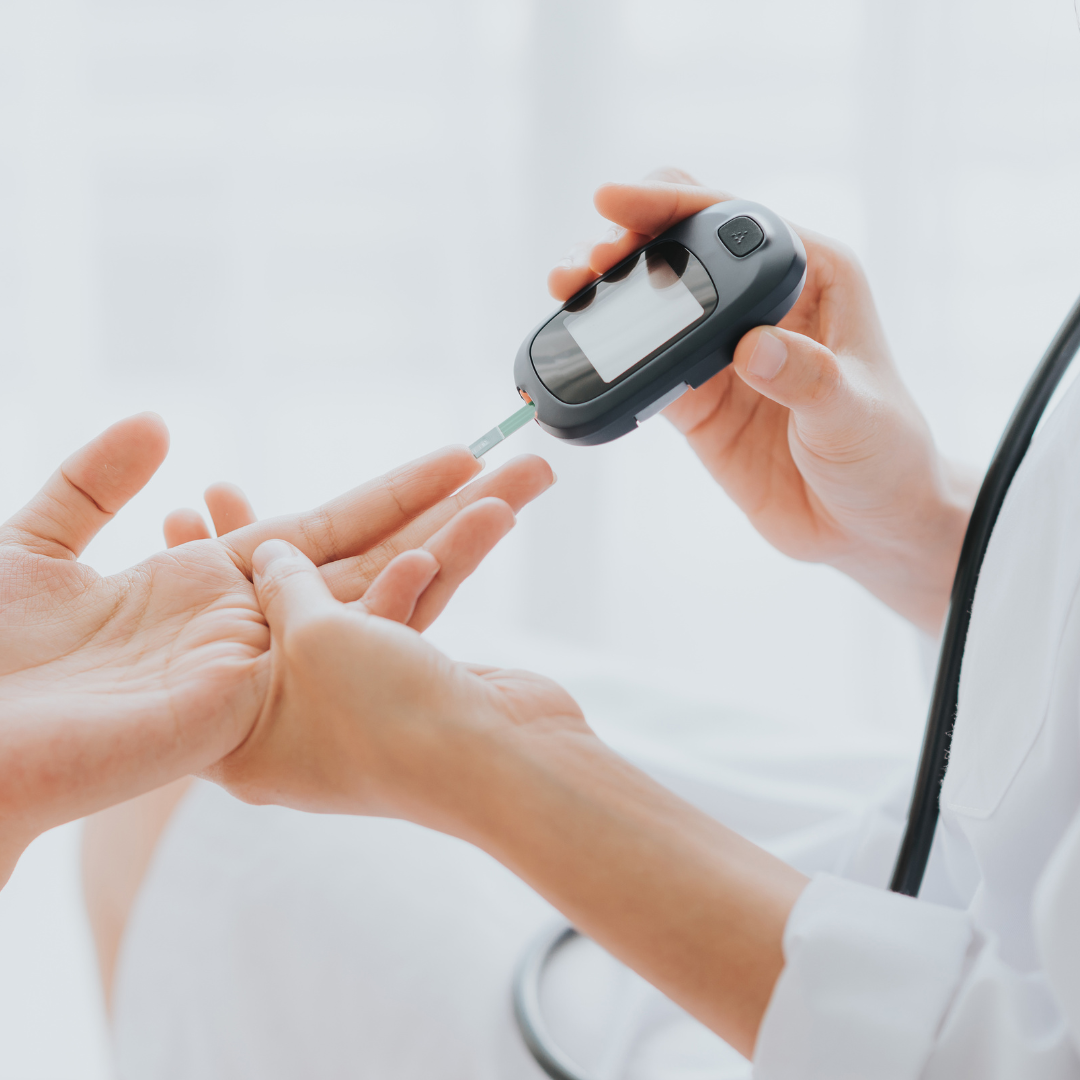

The level of blood glucose is one of the most important indicators of metabolic health. Regular monitoring of this parameter is crucial for both healthy and those with diagnosed diabetes. Examination of blood glucose levels allows for early detection of carbohydrate disorders and for ongoing monitoring of the effectiveness of diabetes treatment. In this article we will discuss when it is worth doing a study on how to prepare for it, as well as what are the standards and interpretation of the results.
Blood glucose test - when is it needed?
Blood glucose testing is a key diagnostic tool that allows you to assess the state of carbohydrate metabolism in the body. Regular monitoring of glucose levels is extremely important in diagnostics and treatment of diabetes, which is one of the most common metabolic diseases in the world.Indications and contraindications to the test of glucose levels
Indications
1. Diabetes - People with symptoms such as excessive thirst, frequent urination, unexplained weight loss, fatigue and blurred vision should report to the examination. 2. - Glucose testing is part of routine prenatal care to detect gestational diabetes. 3. Track monitoring - People with diagnosed diabetes should regularly monitor glucose levels to control the course of the disease. 4.Profilatics - People with risk factors, such as obesity, hypertension, heart disease or family diabetes, should also regularly study glucose.Contraindications
Blood glucose testing is generally safe and there are no contraindications for most people. Nevertheless, one should remember about certain circumstances that may affect the test result. For example, intensive physical effort before examination, alcohol consumption or disease states can falsify the results. If there is any doubts, it is worth consulting a doctor before starting the examination.When is the blood glucose testing is recommended?
- Suspicion of diabetes - People with symptoms such as excessive thirst, frequent urination, unexplained weight loss, fatigue and blurred vision should report to the examination.
- Pregnancy - Study of glucose is part of routine prenatal care to detect gestational diabetes.
- Regular monitoring - People with diagnosed diabetes should regularly monitor glucose levels to control the course of the disease.
- Prevention - People with risk factors, such as obesity, hypertension, heart disease or family diabetes, should also regularly study glucose.
Glucose test - how to prepare?
Preparation for testing blood glucose is crucial to get reliable results. Here are the steps to take:Fasting post
Most often it is recommended to conduct blood glucose testing on an empty stomach, which means no food for at least 8-10 hours before the examination. You can drink water.Avoiding alcohol and coffee
A few days before the test, alcohol consumption should be avoided, and a few hours before the examination also coffee, as they can affect the results.Normal physical activity
On the day preceding the examination, intensive physical effort should be avoided, which can change glucose.Medicines
You should consult a doctor whether the medications taken may affect the results of the examination and whether they should be temporarily discontinued.Glucose level test and coffee - how does coffee affect the result?
Coffee, especially consumed on an empty stomach, can affect blood glucose. Coffeine contained in coffee can cause a short -term increase in glucose levels and affect the body's reaction to insulin.Recommendations for coffee consumption before testing
- Avoid consumption of coffee at least 2-3 hours before the test.
- If you are a regular coffee consumer, consult a doctor to discuss whether you should temporarily give up her consumption before the examination.
Blood glucose testing in pregnancy - is it mandatory?
Maternity diabetes is a condition that can develop in pregnant women, even if they had no problems with glucose before.Why is blood glucose testing important during pregnancy?
Blood glucose testing is important during pregnancy, because untreated pregnancy diabetes can lead to complications such as fetal macrosomy (excessive birth mass), premature delivery and complications during childbirth, being a risk for mother and child. Regular glucose level tests allow early detection and effective management of pregnancy diabetes, which minimizes the risk of complications.Blood glucose test - standards and correct results
Blood glucose levels may vary depending on the test method and laboratories.Standards for fasting glucose testing
- Correct level: 70-99 mg/dl (3.9-5.5 mmol/l)
- Pre -diabetes state: 100-125 mg/dl (5.6-6.9 mmol/l)
- Diabetes: ≥126 mg/dl (≥7.0 mmol/l)
Interpretation of results
- Correct result: Suggests that the body correctly manages glucose levels.
- Pre -diabetes: Indicates an increased risk of developing diabetes, requires a change in lifestyle and regular control.
- The result suggesting diabetes: It is necessary to conduct additional tests, such as glucose tolerance (OGTT) or glycated hemoglobin (HBA1C) to confirm the diagnosis.
How to monitor blood glucose in everyday life?
For people with diabetes or predisposition to its development, daily monitoring of glucose levels is necessary. Here are some tips:Regular measurements
Use the meter for daily glucose levels to have a current picture of your health situation.Keeping a journal
Save the results of measurements, consumed meals and the level of physical activity to better understand the impact of various factors on glucose levels.Healthy diet
Consume regular meals, rich in fiber and low -processed products. Avoid simple sugars and trans fats.Physical activity
Regular exercise helps control blood glucose and improve insulin sensitivity.Consultation with a doctor
Regularly visit your doctor to monitor your health and adapt the treatment plan.Summary
Blood glucose testing is a fundamental element of monitoring health, especially in the context of diabetes. Knowledge about preparation for the study, the impact of various factors on the results and interpretation of the results is crucial for maintaining health. Regular monitoring of glucose levels, a healthy diet and physical activity are necessary for effective glucose level management and minimizing the risk of health complications.Sources
American Diabetes Association. Standards of Medical Care in diabetes -2021. World Health Organization. Global Report on Diabetes, 2016. Mayo Clinic. Diabetes - Diagnosis and Treatment. National Institute for Health and Care Excellence. Diabetes in Pregnancy: Management from Preconception to the Postnatal Period.
Dietician
Karolina Dobrowolska-Zrałka
doktor nauk medycznych i nauki o zdrowiu, dietetyk kliniczny Absolwentka studiów I i II stopnia na kierunku dietetyka oraz doktorantka w Szkole Doktorskiej Uniwersytetu Medycznego we Wrocławiu
Więcej artykułów autoraLooking for a nutritious and filling meal?
Discover Supersonic Smart Meal! A nutritious meal you can prepare in seconds!

150 reviews


