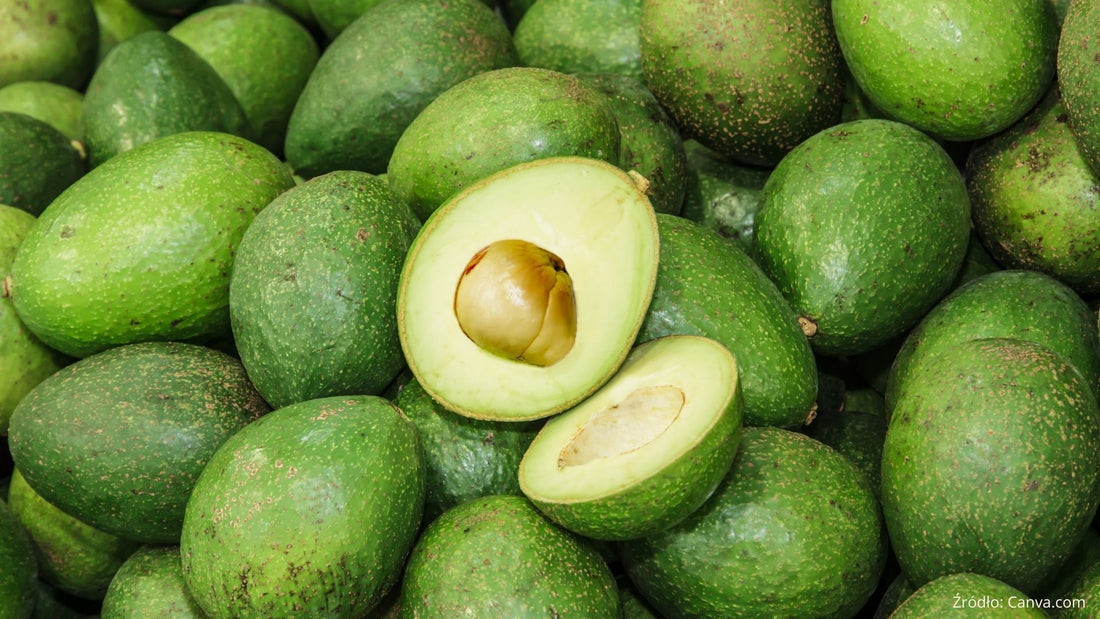

Avocado is a fruit that has gained immense popularity around the world due to its unique nutritional properties. Called the "healthy fat bomb", it is not only tasty, but also extremely beneficial to our health. Regular consumption of avocado provides the body with healthy monumental fats that support heart health, reduce the level of bad cholesterol and improve the overall condition of the body. Rich in vitamins and minerals, such as potassium, vitamins E and C, avocado is a great addition to your daily diet. However, before we delve into its health properties, it is worth understanding whether avocado is fruit or vegetable.
Avocado - fruit or vegetable? Explanation of the botanical classification
Avocados often raises controversy when it comes to its classification. At first glance, it may seem like a vegetable, especially since it is often used in salads, pastes and as an addition to dry dishes. However, from the point of view of botany, avocado is a fruit - more precisely, a blueberry with one large stone. This fruit comes from the Persea Americana tree, which is a naturally occurring species in Central and South America. Avocado, also called the alligator pear due to its shape and skin, for thousands of years was part of the diet of the native peoples of America. Today it is very popular all over the world due to its numerous health benefits and a unique nutritional profile. Avocado fruits can be eaten raw, added to salads, sandwiches, pastes or smoothie, which makes it a versatile ingredient in the kitchen.Avocado - calorie amount and energy value of this popular fruit
Avocado is often perceived as a high -calorie product, which may raise concerns in people who care about the line. However, the caloric value of avocado results mainly from the content of healthy fats, which bring numerous health benefits. The average portion of avocado (about 100 g) provides about 160 kcal, which makes it a fruit with a relatively high energy value compared to other fruits. Although this may sound discouraging for calories counting, calories come mainly from monounsaturated fatty acids, such as oleic acid. These healthy fats support the work of the heart, reduce the level of "bad" LDL cholesterol and help maintain normal blood sugar levels. Thanks to this, avocado is a valuable component of a diet for people who care about healthy nutrition and prevention of cardiovascular diseases. In addition, avocado contains a lot of fiber, which gives a feeling of satiety for longer, which can help control appetite. It is therefore an ideal choice not only for people on a high -fat diet, but also those who want to reduce carbohydrate and simple sugars.Avocado health properties: Wealth of nutrients for the body
Avocado is a real bomb of vitamins and minerals that support health at many levels. We will find in it:- Healthy fats: Avocado is one of the best sources of monounsaturated fatty acids that help reduce LDL cholesterol, while raising the level of "good" HDL cholesterol. Regular avocado consumption can therefore support the health of the heart and cardiovascular system.
- Vitamin E: This is a strong antioxidant that supports skin health and protects cells from oxidative stress. Vitamin E is also important to improve the function of the immune system.
- Potassium: Avocado is one of the richest sources of potassium among fruit. Potassium is an important mineral for maintaining electrolyte balance, regulation of blood pressure and supporting muscle work, including hearts.
- Vitamin K: Plays an important role in blood clotting and supports bone health. This is an important ingredient in the prevention of osteoporosis.
- Vitamin C: Helps produce collagen, supports the immune system and has an antioxidant effect, neutralizing free radicals.
Avocado - nutritional values and their impact on health
The nutritional profile of avocados is impressive. Per 100 g of this fruit there is:- Fats: 15 g, most of which are monounsaturated fatty acids.
- Fiber: 7 g, which is approximately 25% of the daily requirement for fiber. Fiber supports gut health and helps maintain a healthy weight.
- Potassium: 485 mg – more than in bananas, which are often considered the best source of potassium.
- Carbohydrates: 9 g, of which only 0.7 g are sugars, which makes avocado a fruit with a low glycemic index.
- Protein: 2 g - although it is not much, in combination with other sources of protein in the diet, avocado can support the daily protein requirement.
Is avocado healthy? Benefits for the body and well-being
Yes, avocados are definitely healthy and deserve a place in any balanced diet. Its abundance of healthy fats, vitamins and minerals support many body functions, from improving heart health to supporting digestive processes. Avocado is particularly valued for its antioxidant properties, which protects the body against oxidative stress and supports healthy aging. Avocados may also help regulate weight thanks to their fiber and healthy fat content, which keep you feeling full for longer. This vegetable fruit is an excellent choice for people on low-carbohydrate, ketogenic diets or people with diabetes, thanks to its low glycemic index and minimal sugar content. It is worth emphasizing that eating avocado not only supports physical health, but can also improve your well-being. Regularly including it in your diet can help stabilize blood sugar levels, which counteracts fatigue and low energy levels throughout the day. Moreover, the fatty acids it contains support brain health and may have a preventive effect on neurodegenerative diseases such as Alzheimer's disease.Summary
Avocado is a fruit with extremely versatile health properties that should find its place in your daily diet. Rich in healthy fats, vitamins and minerals, it supports the health of the heart, immune system, digestive system and many other aspects of health. Despite its higher calorie content, its regular consumption brings numerous benefits to health and well-being.Sources:
Dreher, M. L., & Davenport, A. J. (2013). Hass avocado composition and potential health effects. Critical Reviews in Food Science and Nutrition, 53(7), 738-750. Wang, L., Bordi, P. L., & Mattes, R. D. (2005). Effect of avocado on lipid profiles and blood sugar levels. Journal of the American Heart Association, 4(5), 455-463. Pahua-Ramos, M. E., Hernández-Ávila, M., & Vadillo-Ortega, F. (2014). Avocado consumption and its relationship with health markers. Journal of Nutritional Biochemistry, 25(11), 1185-1190.
Dietician
Karolina Dobrowolska-Zrałka
doktor nauk medycznych i nauki o zdrowiu, dietetyk kliniczny Absolwentka studiów I i II stopnia na kierunku dietetyka oraz doktorantka w Szkole Doktorskiej Uniwersytetu Medycznego we Wrocławiu
Więcej artykułów autoraLooking for a nutritious and filling meal?
Discover Supersonic Smart Meal! A nutritious meal you can prepare in seconds!

150 reviews


