

High-protein products in anemia support regeneration and help maintain energy with low hemoglobin levels. The diet for anemia includes not only protein supply, but also heme and non-heme iron, ferritin, vitamin C, vitamin B12 and folates and their impact on the production of red blood cells.
- High-protein products support regeneration in anemia, but do not replace iron deficiency treatment recommended by a doctor.
- Animal and plant proteins are best combined with vitamin C, which improves the absorption of iron from the meal.
- SUPERSONIC ready meals and shakes make it easier to maintain a higher protein intake on low energy days.
- Self-supplementing iron without testing ferritin is one of the most common mistakes in 2026.
The scale of anemia in the world according to WHO
Anemia is one of the most common nutritional problems in the world. A global analysis by the World Health Organization covering data from 1993 to 2005 estimated that anemia affected approximately 1.62 billion people, or 24.8% of the world's population. This historical estimate still shows the scale of the phenomenon, but should not be presented as a 2026 measurement.
More recent WHO data on anemia show that the problem affects 40% of children aged 6–59 months, 37% of pregnant women and 30% of women aged 15–49 years. In 2026, these numbers justify combining nutritional advice with diagnostics, including blood counts, ferritin, vitamin B12 and folate tests.
Why high-protein products are important for iron deficiency anemia
Anemia is not just one disease, but a condition of reduced hemoglobin, which most often results from iron deficiency, but is also associated with vitamin B12 or folate deficiency. Protein plays a role in this process because it is the building block of hemoglobin and supports the regeneration of tissues weakened by chronic deficiency.
A diet with adequate protein intake will not raise iron levels on its own. Nutritional support works best in conjunction with diagnosis and treatment recommended by a physician, and high-protein products are included in this plan as an element to facilitate daily nutrition, not as a replacement for therapy.
People with anemia often report fatigue, which makes it difficult to regularly cook nutritious meals. This is where ready-made high-protein products, such as protein shakes or instant oatmeal, have a real time advantage over traditional cooking of three meals a day.
How to build a high-protein diet for anemia step by step
Check your blood count, iron and ferritin before you change your diet
Before you introduce new high-protein products into your diet, check what type of deficiency you are dealing with. Iron deficiency anemia requires a different approach than B12 deficiency.
- Get a blood test measuring ferritin, not just hemoglobin
- Consult the result with your doctor or dietitian before starting supplementation
- Write down symptoms: fatigue, pallor, shortness of breath on exertion
- Check if you are taking medications that affect iron absorption (e.g. proton pump inhibitors)
Increase your daily protein intake to a level that supports recovery
People with anemia often eat less than they need because the lack of energy reduces the desire to cook. Increasing the supply of protein in daily meals supports tissue regeneration and the production of red blood cells.
- Add one source of protein to every meal, not just dinner
- Choose lean meat, fish, eggs and dairy as a base
- Supplement with legumes if you limit meat
- Spread your protein into 3-4 servings a day, rather than one large dose in the evening
Combine iron with vitamin C for better absorption
Iron from plant foods is absorbed worse than heme iron from meat. Vitamin C increases the absorption of non-heme iron even from the same meal if you eat them together.
- Add citrus fruits, red peppers or kiwi to your plant-based iron meal
- Drizzle the salad with lemon juice instead of just oil
- Avoid coffee and strong tea right after a meal rich in iron, because tannins block absorption
- Choose fresh parsley as an addition to legume-based dishes


Reach for ready-made high-protein products when you don't have time to cook
Anemia-related fatigue can be the biggest obstacle to maintaining a regular diet. Ready-made high-protein products shorten the meal preparation time to a few minutes, which is important on days with lower energy.
- Keep a ready-made meal at home Smart Meal for days without energy to cook
- Keep a protein shake on hand as a meal replacement, not just a snack
- Choose instant oatmeal for breakfast if you're short on time in the morning
- Rotate your products so that your diet doesn't become monotonous after a few weeks
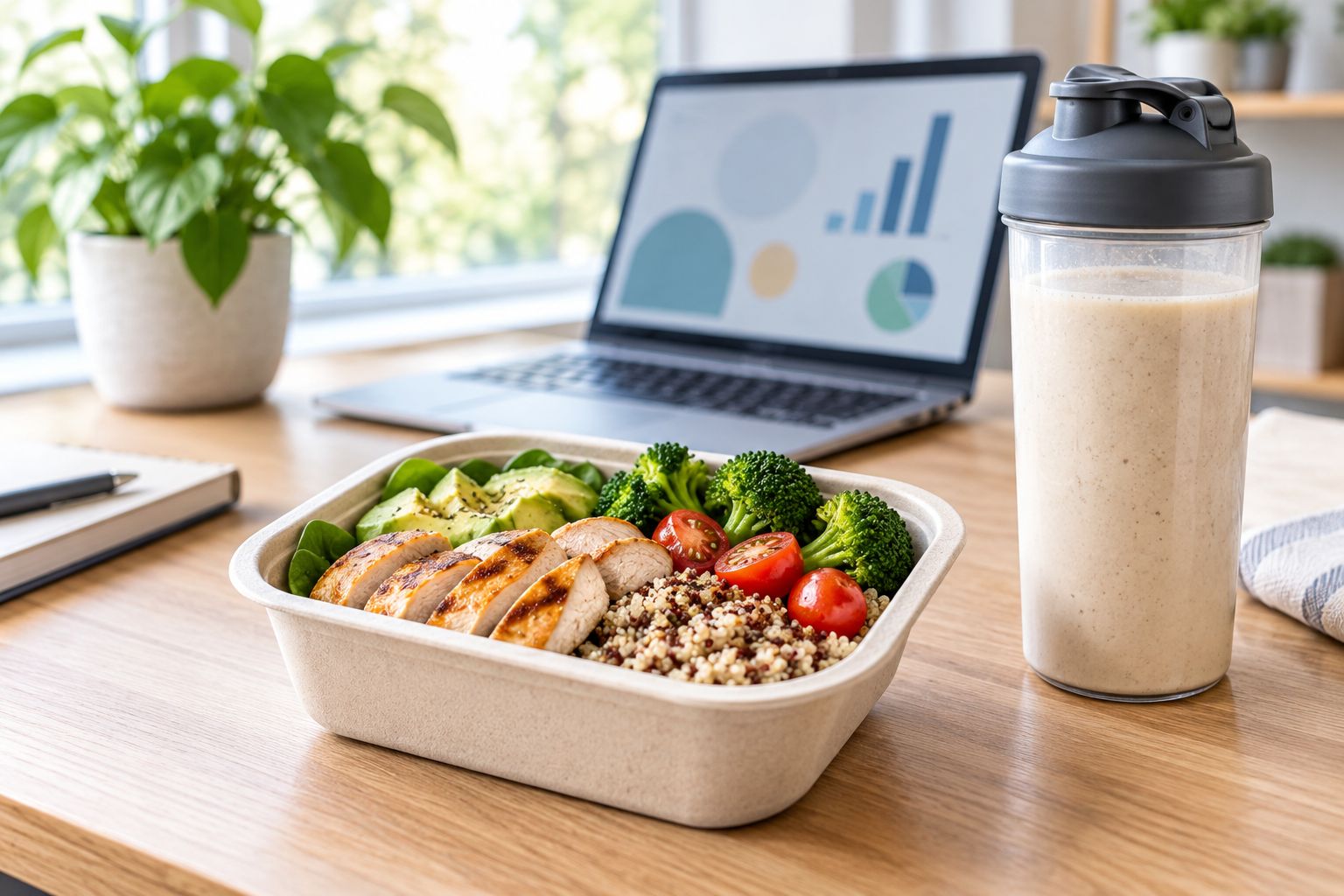
Choose plant sources of iron if you limit meat
Vegetarians and people who restrict meat are at a higher risk of iron deficiency because non-heme iron from plants is less absorbed. Moringa is one of the plants known for its iron and other micronutrient content.
- Reach for green leafy vegetables as a daily source of plant-based iron
- Consider Moringa Complex as a supplement to a plant-based diet, not as a replacement for nutritious meals
- Combine legumes with whole grains to replenish your amino acid profile
- Check separately a guide to high-protein products for vegetarians, if you limit meat permanently
Monitor the effects and return for follow-up tests
A high-protein diet for anemia is a process, not a one-time change. Control tests show whether changes in the menu and possible supplementation work.
- Return for ferritin testing 6-8 weeks after changing your diet, as recommended by your doctor
- Watch your energy levels throughout the day, not just your numbers
- Write down which high-protein foods you actually eat regularly and which ones stay in the cupboard
- Do not increase your iron supplement doses without consulting your doctor
“Protein supports recovery, but without adequate iron levels, a high-protein diet will not raise hemoglobin.”
What high-protein and iron-rich products to choose for anemia
| Option | Best for | Key limitation |
|---|---|---|
| Smart Meal | days without time to cook | contains 26 vitamins and minerals, including iron, but does not replace fresh vegetables rich in iron |
| Instant protein oatmeal with collagen | a quick breakfast on the run | contains carbohydrates, not for a strict low-carb diet |
| Moringa Complex | supplementing a plant-based diet | supplement, not a drug, does not replace diagnosis |
| Eggs and lean meat | daily protein base | requires regular cooking, less convenient on low energy days |
The most common mistakes when building a high-protein diet for anemia
- Independent iron supplementation without ferritin testing — the dose without diagnostics may be too low or unnecessarily high.
- Drinking coffee or strong tea right after an iron-rich meal — tannins block the absorption of even a well-balanced dish.
- Focusing solely on animal protein and ignoring vitamin C — plant sources of iron require additional support from citrus or peppers.
- Too low calorie content of a reduction diet in the presence of an existing deficiency — restrictive weight loss during anemia deepens fatigue.
- Treating supplements as a substitute for control blood tests — high-protein products and supplements support the diet, but do not replace medical monitoring in 2026.
FAQ
According to WHO, how many people in the world are affected by anemia?
A WHO global analysis based on data from 1993–2005 estimated that anemia affected approximately 1.62 billion people, or 24.8% of the world's population. This is a historical estimate; newer WHO provides current indicators for specific groups, including children and women.
Do high-protein products help with anemia?
High-protein foods support your body's recovery and help you maintain energy, but they do not treat iron deficiency on their own. Diagnostics and possible iron supplementation require consultation with a doctor.
What protein is best for low hemoglobin?
It is best to combine animal protein sources, such as lean meat, fish and eggs, with plant sources, such as legumes, because different sources provide different micronutrient profiles. Animal protein contains heme iron, which is more easily absorbed than plant protein.
Is a protein shake suitable as a meal for a person with anemia?
A protein shake can replace one meal on a day when energy for cooking is low, but it should not be the only source of meals for an extended period of time. It is worth combining it with nutritious dishes containing iron.
Does moringa help supplement iron in a plant-based diet?
Moringa is known for its iron and other micronutrient content, making it a popular addition to a plant-based diet. However, this supplement does not replace diagnosis or treatment recommended by a doctor.
How often should you test your iron levels when changing your diet?
Typically, a follow-up ferritin test is performed 6-8 weeks after changing the diet or starting supplementation, as recommended by the doctor. The frequency depends on the degree of deficiency and your individual situation.
Does vitamin C increase the absorption of iron from meals?
Yes, vitamin C eaten in the same meal increases the absorption of non-heme iron from plant foods. Citrus fruits, red pepper and parsley are simple additions to dishes with vegetable iron.
Is protein oatmeal a good choice for breakfast in case of anemia?
Instant protein oatmeal provides protein and carbohydrates in just a few minutes, which is practical for fatigue associated with anemia. It is not the only source of iron, so it is worth supplementing your day with products rich in this microelement.
One additional thing to keep in mind
Many people focus on the amount of protein and forget that excess calcium in the same meal, for example from a large portion of dairy products, can reduce iron absorption. If the menu in 2026 is to support regeneration in case of anemia, it is worth separating meals rich in calcium from those rich in iron, and not combining them in one plate.
Related guides


