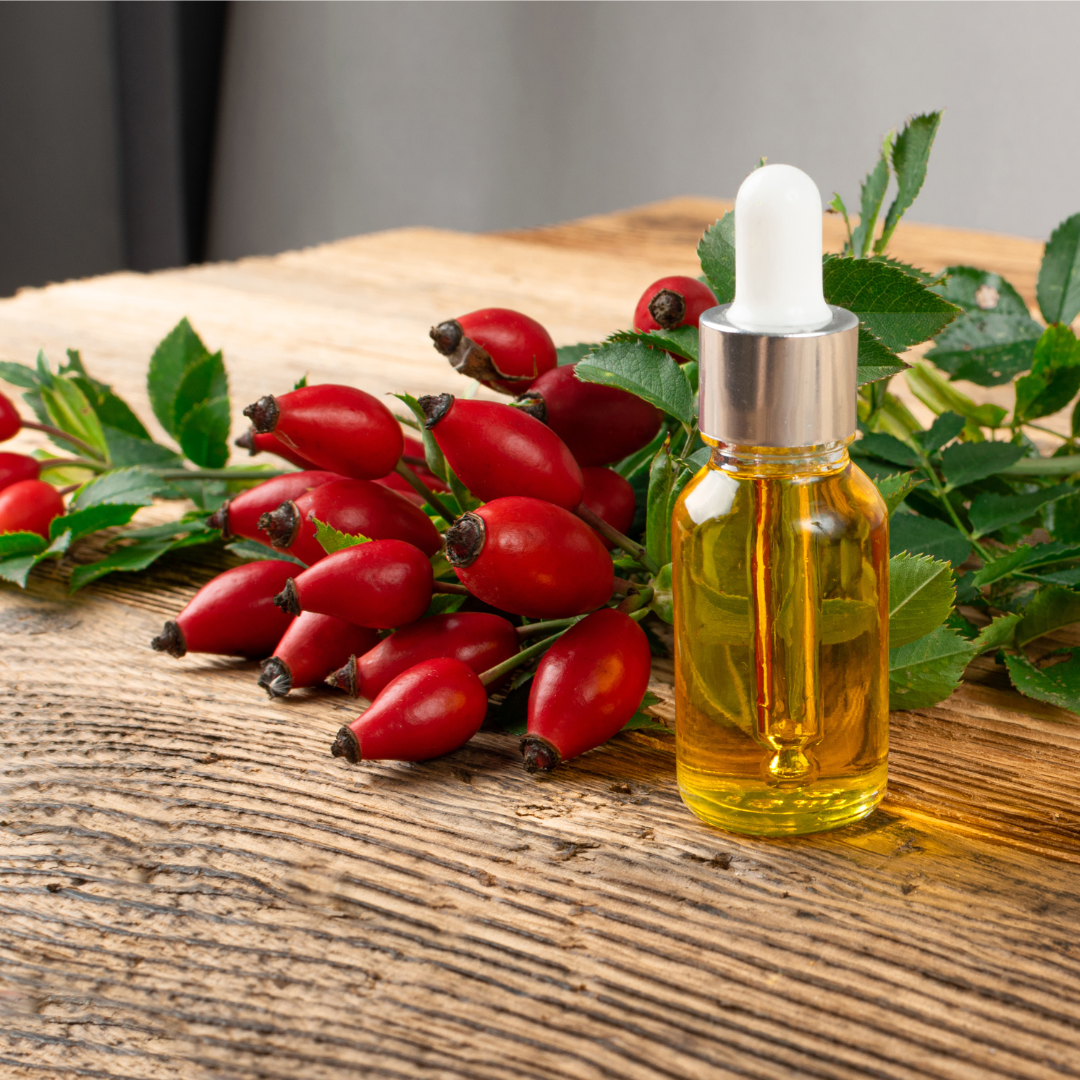

Wild rose, scientifically known as Rosa Canina, is a plant that has been valued for its healing properties for centuries. Its fruits, called wild rose fruit, are extremely rich in vitamin C and other nutrients, which makes them a valuable addition to the diet. In this article, we will discuss the healing properties of wild rose, its contraindications, methods of use and the benefits of consuming it in detail.
Wild rose - healing properties
The wild rose is known for its rich chemical composition, which includes vitamins, minerals and antioxidants. Here are the important healing properties of wild rose:- High vitamin C content - Rose wild fruits are one of the richest natural sources of vitamin C, which is necessary for the health of the immune system, supports collagen production and acts as a strong antioxidant.
- Antioxidants - Wild rose also contains other antioxidants, such as flavonoids and carotenoids, which help in neutralizing free radicals and reduce the risk of chronic diseases.
- Anti -inflammatory effect - Due to the presence of fatty acids and polyphenols, the wild rose has anti -inflammatory properties, which can contribute to relieving inflammatory symptoms in the body.
- Urinary tract support - Wild rose is known for its diuretic effect, which supports the elimination of toxins from the body and supports the health of the urinary tract.
Wild rose - contraindications and factors to be avoided
Although the wild rose is generally safe for most people, there are some contraindications and factors that are worth considering:- Allergies: People who are allergic to plants from the rosary family can experience allergic reactions such as skin rash or itching after eating wild rose.
- Stomach problems: The high content of vitamin C in wild rose can cause stomach irritation or heartburn in people with a sensitive digestive system.
- Drug interactions: Wild rose can affect the absorption of some medications, which is why people taking medicines should consult a doctor before using it.
Wild rose - how to use it?
Wild rose can be used in many ways, both fresh, dried and processed. One of the popular uses is the preparation of tea from dried wild fruit rose, which is rich in vitamin C and antioxidants. Wild rose extracts, available in the form of capsules and tablets, allow convenient supply of concentrated nutrients. Wild fruit can also be used to prepare juice or jam, which are a tasty way to enrich the diet with the beneficial properties of this plant.How to eat a dried wild rose? Practical tips and various ways of use
Dried wild rose is a versatile ingredient that can be used in many ways. One of the simplest uses is the preparation of tea, in which dried fruit should be brewed in hot water for about 10 minutes, which allows you to get a drink rich in vitamin C; To improve taste, you can add honey or lemon. Another way is to add dried fruit to muesli, porridge or salads, which enriches dishes with an additional portion of vitamins and minerals. Dried wild rose can also be used to prepare homemade extracts, which are used in the form of a tonic or a cosmetics additive.Wild rose - a source of natural vitamin C and its health benefits
Wild rose is a unique source of natural vitamin C, which is important for the body of the body. Vitamin C has many important functions:- Support of the immune system - Vitamin C is necessary for the proper functioning of the immune system, helping the body to fight infections and diseases.
- Collagen production - Vitamin C is important for collagen synthesis, which is necessary for the health of the skin, bones and joints.
- Protection against oxidative stress - As a strong antioxidant, vitamin C neutralizes free radicals, which can help protect against chronic diseases.
Footnotes
J. M. Campbell, R. K. (2019). "The Health Benefits of Rose Hips: A Review of Clinical Trials." Journal of Herbal Medicine. E. A. Wright, S. M. (2020). "RoseHip Extract and Its Impact on Human Health: A Systematic Review." Nutrients. L. R. Tsuji, M. H. (2018). "Vitamin C Content in Different Plant-Based Foods and ITS Effect on Human Health." Food chemistry.
Dietician
Karolina Dobrowolska-Zrałka
doktor nauk medycznych i nauki o zdrowiu, dietetyk kliniczny Absolwentka studiów I i II stopnia na kierunku dietetyka oraz doktorantka w Szkole Doktorskiej Uniwersytetu Medycznego we Wrocławiu
Więcej artykułów autoraLooking for a nutritious and filling meal?
Discover Supersonic Smart Meal! A nutritious meal you can prepare in seconds!

150 reviews
![Ranking kreatyny [2026] - TOP 10 produktów, które warto znać](http://supersonicfood.com/cdn/shop/articles/kreatyna-ranking_e52ddb6e-020b-45cf-9efd-6ed598114fe8.jpg?format=webp&v=1786695745&width=1100 "Ranking kreatyny [2026] - TOP 10 produktów, które warto znać")


