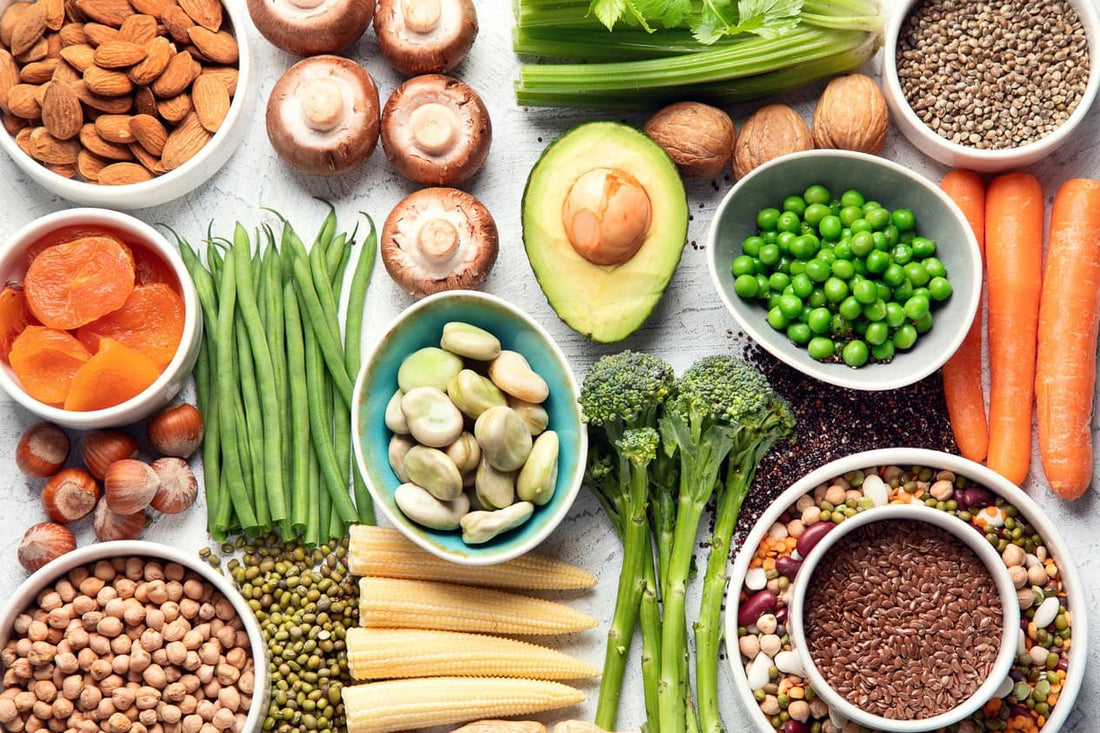

Vegan diet means eliminating animal products such as meat, fish, seafood, eggs and dairy products. The menu is therefore based on vegetables, cereal products, fruit, nuts, seeds and good quality vegetable oils. Most of these ingredients can be found in Supersonic products. People who decide to switch to a plant diet do it for various reasons. Most often they justify such a decision with ethical issues or the desire to protect the environment. Changing the nutrition model also brings various health implications. Are they beneficial? Let's find out!
Interestingly, if you introduce a plant diet due to the desire to lose unnecessary kilograms, you will also improve your lipid profile and blood pressure! The lipid profile improves due to the greater amount of unsaturated fatty acids in a plant diet compared to a traditional meat diet.
Abstract:
A plant diet is an ally in the fight for a slim figure. Zoom zoom products can also adversely affect the condition of the skin. Changing the diet to plant helps to fight inflammation and restore skin balance. Eating plant products helps reduce the risk of developing cancer, diabetes, as well as cardiovascular disease.How does a plant diet affect health?
The transition to a plant diet brings health benefits, such as: reducing the risk of developing cardiovascular diseases, type 2 diabetes and some types of cancer. Studies confirm that people using a diet rich in fruit, vegetables, whole grains, nuts and seeds are more likely to have lower blood pressure, better cholesterol and more often maintain a healthy weight. What's more, the plant diet contributes to the improvement of intestinal function due to the high fiber content, and intestinal health affects many other processes in the body, as well as the appearance of the skin, mental well -being and general sense of health.Plant diet and weight
The latest research shows that a plant diet is much more effective in dropping unnecessary kilograms than a conventional diet based on animal products. There is no doubt about this, the research published in Journal of General Internal Medicine in 2015. Of the 12 surveyed nutrition models, veganism is most conducive to keeping a slim figure at various stages of life. The high fiber content in plant products promotes a longer feeling of satiety, which limits excessive calorie intake. Vegetables, which are the base of a vegetarian and vegan diet, are less caloric than animal products, thanks to which it is easier to maintain a caloric deficit, even eating larger portions of food. However, switching to a plant diet requires proper planning to provide all the necessary nutrients. Pay attention to the appropriate supply of protein, which is necessary to maintain muscle mass, especially during weight loss. The plant diet naturally does not contain too much protein, so remember to add legumes, seeds or tofu to your daily diet. If you have a problem with this, try ready -made products that have a protein added in the form of a concentrate, e.g. our smart veg.Plant diet and complexion
The research found that there is correlation between the consumption of red meat and the increase in inflammation in the body. The body warmth increases, which in turn leads to the decay of collagen and elastin, which are the building material for healthy skin. Scientists also agree that excessive meat consumption can also be a reason for skin efflorescence. What's more, the phenomenon of acne is, according to research, closely related to frequent consumption of dairy products. Thus, the plant diet promotes the good condition of the skin. Vegan diet, eliminating animal and animal products, including dairy products and eggs, supports anti -acne care. Studies have shown that the abandonment of dairy products, especially those with high fat content, significantly reduces the occurrence of acne, mainly due to the reduction of sebum production. The diet containing highly processed products with a high glycemic index, contributes to increasing the level of insulin, which stimulates the production of sebum and androgens, important in the pathogenesis of acne. To minimize the risk of inflammatory lesions on the skin, it is worth eliminating animal products and observe the skin's reaction.Plant diet and the risk of cancer
According to a study conducted by scientists from the University of Oxford, vegans have a much lower risk of developing cancer. The 15 -year experiments were carried out at 60,000 British, of which about 18,000 were on a vegetarian diet, as much as 2,246 vegans. It turned out then that the frequency of cancer, compared to people consuming meat, was 11% lower in vegetarians, as well as 19% lower in vegans. A healthy diet, rich in plant products such as vegetables, fruits, whole grain cereal and legume seeds reduces the risk of cancer. To support anti-cancer prevention with a diet, it is worth consuming a minimum of 500-600 g of vegetables and fruits a day, but with a predominance of vegetables. Due to the variety of antioxidants, it is worth ensuring the supply of colorful fruits and vegetables. The proportions in the anti -cancer diet are very important - at least two -thirds of plant products and limiting animal products to one third. This way of nutrition not only supports health, but protects against various diseases.Plant diet and diabetes
Scientists have noticed that a plant diet is associated with a reduction in the risk of type 2 diabetes by an average of 60%. They also showed that people consuming a healthy version of the plant diet, with an emphasis on fresh fruit, vegetables, whole grain cereals, nuts and legumes, can enjoy a decrease in overall body weight, as well as a decrease in blood sugar levels. The vegan diet has a great impact on the regulation of blood sugar levels and a reduction in the risk of developing type 2 diabetes. Vegetable diet, rich in fiber, helps in slower release of glucose into the blood, which contributes to the stabilization of the sugar level. In addition, plant products usually have less fat and less calories, which contributes to reduction of weight, and thus the risk of developing diabetes.Plant diet and heart disease
The vegan diet is directly related to the reduction of the risk of myocardial failure. It is stated that the risk of death due to cardiovascular disease is 26% lower than in the case of people consuming meat. Among the factors causing acute heart failure is, among others Hypertension, diabetes, obesity. The plant diet has a positive effect on each of these aspects, minimizing the risk of diseases. What's more, the plant diet provides high -quality fiber, antioxidants and phytosterols that support heart health by protecting against cholesterol oxidation and improving the function of blood vessels. Including a large amount of plant products in your daily menu is the best way to prevent heart disease!Protein in a plant diet - why is it important?
There is a widespread opinion that a plant diet does not provide enough protein. This is not entirely true. Of course, it is often more difficult on a plant diet, but it is not impossible! Remember that vegetable protein, found in products such as legumes, nuts, seeds, or whole grain cereal products, can fully meet the body's needs, provided that a varied and balanced diet. The most important thing is to combine different sources of protein during the day so that the diet does not become a deficiency diet. Another aspect is that providing the body with protein from various plant sources, not only supports health, but also contributes to environmental protection, reducing the demand for animal products that are more burdensome for the planet.Vegetable protein products
In order to cover the demand for protein, it is recommended to include in a diet rich in plants such as lentils, beans, chickpeas, quinoa, tofu, tempeh and chia seeds. These ingredients are not only a good source of vegetable protein, but also other nutrients, such as vitamins and other microelements. A good example is Smart Wege, whose vegetable source of protein is pea and rice protein. Of course, it is not worth demonizing a meat diet, but it is worth keeping in mind that products of animal origin often affect the deterioration of health. The most important thing is to observe your body and respond to its needs.Bibliography:
https://www.springer.com/gp/about-springer/media/research-news/all-english-research-news/-to-shed-weight-go-vegan/679206 https://www.huffpost.com/entry/vegan-diet-help-skin_n_2933134?utm_hp_ref=mostpopular https://zdrowie.viva.org.pl/nie-dokarmiaj-raka Tonstad S., Steward K.-Vegetarian Diets and Incidence of Diabetes in the Advetist Health Study-2, Nutr Metab Cardiovacs Dis. 2011 Oct.7
Dietician
Karolina Dobrowolska-Zrałka
doktor nauk medycznych i nauki o zdrowiu, dietetyk kliniczny Absolwentka studiów I i II stopnia na kierunku dietetyka oraz doktorantka w Szkole Doktorskiej Uniwersytetu Medycznego we Wrocławiu
Więcej artykułów autoraLooking for a nutritious and filling meal?
Discover Supersonic Smart Meal! A nutritious meal you can prepare in seconds!

150 reviews


