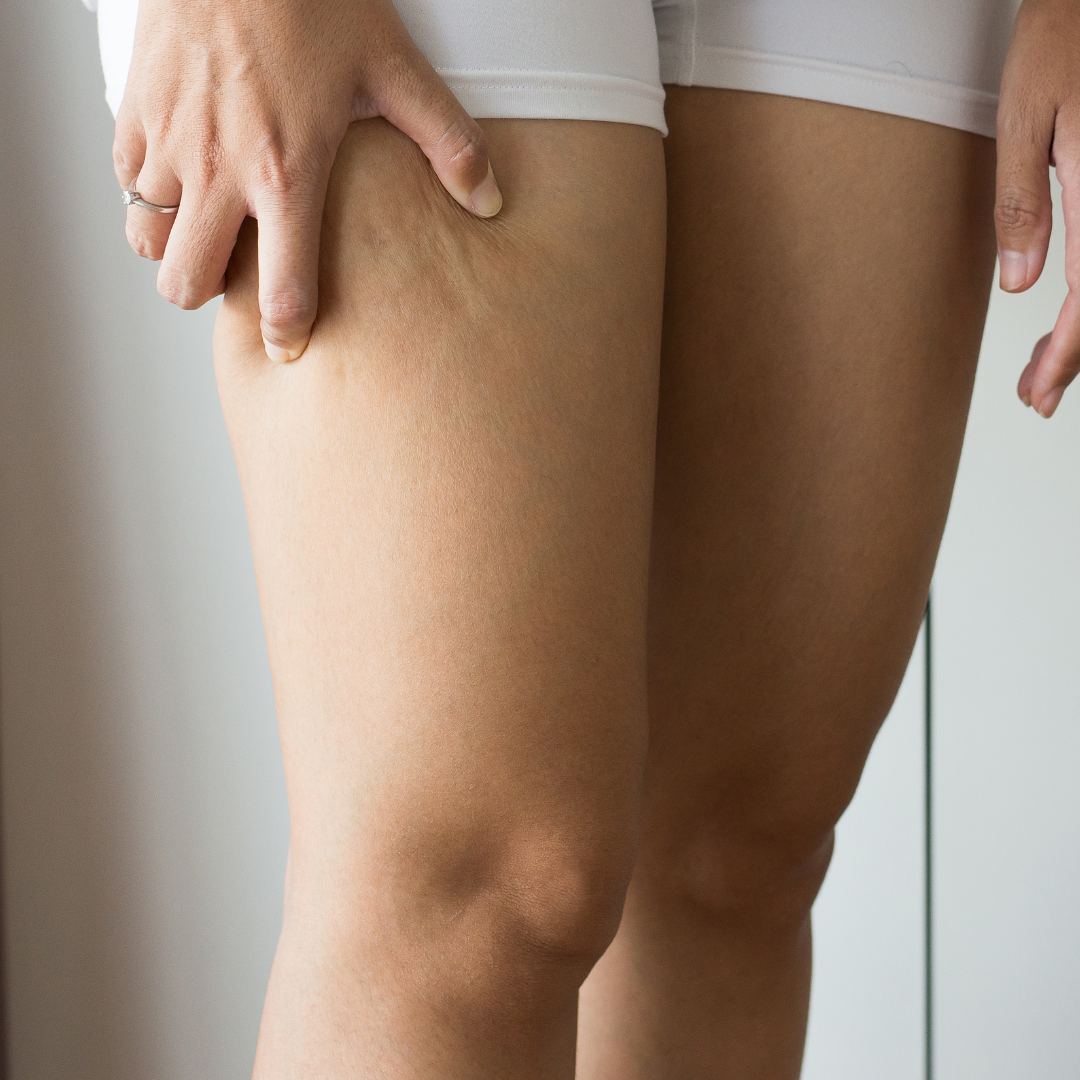

Lipodemia, also known as painful lipodystrophia, is a relatively little known, but extremely troublesome disease that mainly affects women. It is characterized by incorrect fat accumulation, most often in the lower parts of the body, which leads to pain, swelling and significant discomfort. Lipodemia is often confused with obesity or lymphatic edema, which makes her diagnosis delayed. In this article, we will take a closer look at this disease, discussing its causes, symptoms and available treatment methods.
What is lipodemia?
Lipodemia, also known as painful lipodystrophia, is a chronic disease that is characterized by an abnormal fatty of fat, mainly in the lower body parts, such as thighs, buttocks, hips and legs. This disease is often confused with obesity or lymphatic edema, however, it differs from these conditions in both causes and symptoms. Lipodemia mainly affects women, although her exact etiology is not yet fully understood. It is estimated that it may have a genetic background and also be associated with hormonal disorders, which explains why it is most often revealed during the periods of life associated with intensive hormonal changes, such as maturation, pregnancy or menopause. A characteristic feature of lipodemia is the symmetrical accumulation of body fat, which does not respond to diet or intensive physical activity. In addition, patients with lipodemia often experience pain, tenderness and hypersensitivity in affected areas, which can significantly affect their quality of life. As the disease progresses, swelling may develop, and the skin in the affected places can become hard and less elastic.Causes of lipodemia
Lipodemia is a disease whose causes are not fully understood, however, there are several theories about its origin. One of the most important is genetic theory, which suggests that the disease can be hereditary because it often occurs in families. This means that if there are cases of lipodemia in the family, the risk of its development in other family members is increased. Hormonal disorders are another important factor. Lipodemia often develops or intensifies during the periods of life related to hormonal changes, such as maturation, pregnancy or menopause. This indicates the possible effect of hormones, especially estrogens, the development of the disease. Estrogens can affect fat metabolism and the structure and function of blood vessels, which can contribute to incorrect fat accumulation in tissues. Some experts suggest that lipodemia may also be associated with lymphatic problems. Lymph stagnation can lead to swelling and problems with draining fluids from tissue, which may intensify lipodemia symptoms. It is also worth noting that although lipodemia most often affects women, there are cases of her occurrence in men, which may indicate the multifactorial nature of this disease.Symptoms of lipodemia
Lipodemia is characterized by a number of specific symptoms that distinguish it from other diseases, such as obesity or lymphocytic swelling. One of the main symptoms is the symmetrical accumulation of body fat in the lower parts of the body, which does not disappear despite the use of diet, exercises or other slimming methods. Fat tissue accumulates primarily on thighs, hips, buttocks and legs, less often on the shoulders. It is also characteristic that the upper part of the body, including the torso and hands, remains relatively slim, which leads to a disproportionate figure. Another symptom of lipodemia is soreness and tenderness in the affected areas. Patients often complain about the feeling of heaviness in the legs, as well as pain that intensifies after a long standing, sitting or intensive physical activity. The skin in these places can be hypersensitive to touch and even the pressure of clothing. As the disease progresses, swelling may appear, which are the result of the accumulation of fluids in the tissues. These swelling can get worse in the evening or after a long standing. An additional symptom that may occur in patients with lipodemia is an increased tendency to bruises. This is due to the weakening of blood vessels in the affected areas, which makes them more susceptible to damage. In advanced cases, lipodeemia can lead to the development of hard, compact fat, which is difficult to remove and may require surgical intervention.How to diagnose lipodemia? - tests
Diagnosis of lipodemia is often a challenge, because this disease is sometimes confused with other diseases, such as obesity or lymphatic edema. An important element of diagnostics is a thorough collection of medical intelligence and physical examination. A doctor, usually a specialist in the field of dermatology, phlebology or angiology, assesses the distribution of body fat, the degree of swelling and soreness of the affected areas. It is also important to analyze the patient's family history, because lipodeemia can have a genetic background. Imaging examinations such as ultrasound (ultrasound) of soft tissues, which allows the assessment of the fat structure and the condition of lymphatic and venous vessels, can also help in the diagnosis of lipodemia. In some cases, magnetic resonance imaging (MRI) is also used, which provides detailed information about soft tissues and can help differentiate lipodemia from other diseases. In order to exclude other causes of edema and accumulation of body fat, your doctor may recommend additional tests, such as hormonal tests that will help assess the level of hormones in the body, or laboratory tests assessing the function of the kidneys, liver and cardiovascular system.How to cure lipodemia?
Treatment of lipodemia is a complex and multi -stage process that requires an individual approach and cooperation with a team of specialists. Currently, there is no one universal method of treatment of lipodemia, which is why the therapy focuses on relieving symptoms, improving the quality of life of the patient and preventing further disease progress. One of the basic elements of lipodemia treatment is compression therapy, i.e. the use of compression clothing, which helps to reduce swelling and improves lymphatic and venous circulation. Compression therapy is particularly effective in combination with manual lymphatic drainage, which supports the outflow of lymph and reduces the accumulation of fluids in the tissues. An important aspect of treatment is also physical activity, which should be adapted to the patient's capabilities. Regular exercises, especially with low effects on joints, such as swimming or cycling, help maintain muscle mass, improve circulation and can alleviate the symptoms of the disease. Pharmacotherapy, although not the main method of treating lipodemia, can be used to alleviate pain and inflammation. Painkillers, as well as preparations to improve circulation and strengthen blood vessels, can be helpful in symptomatic therapy. In some cases, dietary supplements are also used that support the lymphatic system and help reduce inflammation. In advanced cases of lipodemia, when other treatment methods prove insufficient, surgical interventions are considered. One of the most commonly used procedures is liposuction, which allows you to remove excess fat and reduce swelling. Liposuction in the case of lipodemia is, however, more complicated than in standard cases and should be carried out by experienced surgeons in centers specializing in the treatment of this disease.How to live with lipodemia? - support and prevention
Living with lipodemia requires proper management of the disease on a daily basis to minimize its symptoms and prevent further progress. An important element is the education of the patient and his loved ones about the disease so that they can better understand its specificity and support the patient in everyday functioning. Patients should regularly use compression therapy and take care of physical activity, which helps to reduce symptoms and improve the quality of life. It is also important to maintain a healthy diet, which supports the proper functioning of the lymphatic and circulatory system. The diet should be rich in fiber, vitamins and minerals, and at the same time low in salt and saturated fats, which may increase swelling. Psychological support plays an important role in dealing with lipodemia, especially since this disease can significantly affect the patient's self -esteem and well -being. Individual or group therapy can help deal with the emotional aspects of the disease and find strategies to deal with daily challenges. Regular consultation with a doctor and monitoring of health are necessary to adapt the therapy to the changing needs of the patient and respond to possible changes in the course of the disease. Thanks to the appropriate approach, patients with lipodemia can lead active and full life, despite the challenges associated with the disease.Summary
Lipodemia is a chronic disease that requires an integrated therapeutic approach and support on many levels. Although its causes are not fully understood, symptomatic treatment and prevention can significantly improve the quality of life of patients. Thanks to regular compression, physical activity, proper diet and psychological support, people with lipodemia can effectively manage their illness and enjoy the fullness of life.Sources
Child, A. H., Gordon, K. D., Sharpe, P., et al. (2010). Lipedema: An overview of the disc and itS management. Journal of lymphoedema, 5 (1), 4-13. Fonder, M. A., & Loveless, J. W. (2012). Lipedema: A frequently unrecognized and misdiagnosed disorder. International Journal of Dermatology, 51 (3), 254-258. Schmeller, W., Meier-Vollrath, I., & Stücker, M. (2012). Liposuction in the Treatment of Lipedema: A Longitudinal Study. Archives of Dermatological Research, 304 (7), 475-481. Langendoeen, S. I., Habbema, L., Nijsten, T., & Neumann, M. (2009). Lipoedema: from Clinical Presentation to Therapy. A Systematic Review. British Journal of Dermatology, 161 (5), 980-986.
Dietician
Karolina Dobrowolska-Zrałka
doktor nauk medycznych i nauki o zdrowiu, dietetyk kliniczny Absolwentka studiów I i II stopnia na kierunku dietetyka oraz doktorantka w Szkole Doktorskiej Uniwersytetu Medycznego we Wrocławiu
Więcej artykułów autoraLooking for a nutritious and filling meal?
Discover Supersonic Smart Meal! A nutritious meal you can prepare in seconds!

150 reviews
![Ranking kreatyny [2026] - TOP 10 produktów, które warto znać](http://supersonicfood.com/cdn/shop/articles/kreatyna-ranking_e52ddb6e-020b-45cf-9efd-6ed598114fe8.jpg?format=webp&v=1786695745&width=1100 "Ranking kreatyny [2026] - TOP 10 produktów, które warto znać")


