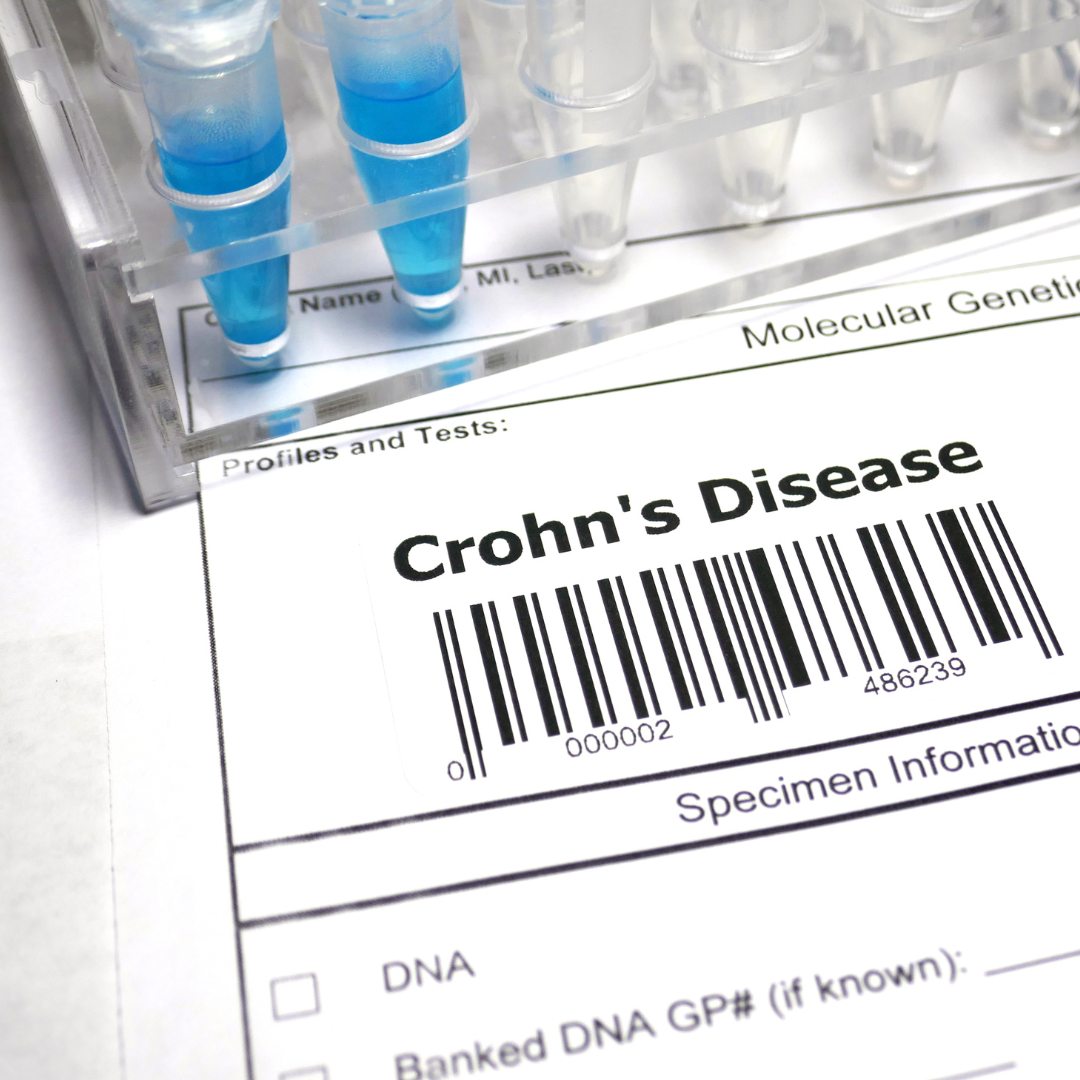

Crohn's disease is a chronic intestinal inflammatory disease that affects the quality of life of many people around the world. Understanding this disease is important for its effective management and treatment. In the article below, we will look closer to the symptoms, causes and available treatment methods that can help to alleviate its course.
Crohn's disease - what is this?
Leśniowski -Crohn's disease, also called Crohn's disease, is a chronic inflammatory intestinal inflammation (IBD - Bowel Disease inflammators), which can affect any segment of the digestive tract from the mouth to the anus. Most often, however, inflammatory changes are located in the winding intestine and the initial part of the large intestine. The disease is characterized by periods of remission and exacerbations, which affects the quality of life of patients. In medical literature, the first descriptions of the disease come from the beginning of the 20th century, and an article published in 1932 by dr. Burrill B. Crohn with colleagues. Thanks to this, the disease received its name.What are the symptoms of Crohn's Leśniowski's disease?
Symptoms of Leśniowski-Crohn's disease can be very diverse and depend on the location and severity of the inflammatory process. The most common clinical symptoms include:- Stomachache: Most often in the lower right quadrant, reminiscent of appendix pain.
- Diarrhea: It can be bloody, which suggests more severe inflammation.
- Fever: High body temperature as the body's response to inflammation.
- Weight loss: It results from the impaired absorption of nutrients and frequent diarrhea.
- Appetite disorders: It can lead to malnutrition.
- Tiredness: Chronic tiredness even with low activity.
- Anemia: Resulting from intestinal bleeding and poor iron absorption.
- Arthritis
- Eyeitis (Uveitis)
- Skin diseases (erythhema nodosum, gangrene
- Liver and bile duct diseases
Crohn's intestinal disease - causes
Despite intensive research, the exact etiology of Leśniowski-Crohn's disease remains unknown. Nevertheless, it is believed that the development of the disease is the result of interaction between genetic, immune and environmental factors.Genetic factors
Observations show that people who have close relatives suffering from Crohn's disease have an increased risk of getting sick. Many genes have been identified (e.g. NOD2) that can predispose to illness.Immune factors
The disease is often the result of an incorrect response to the immune system to the intestinal bacterial flora. In healthy people, the immune system tolerates the presence of normal intestinal bacteria, but in people with Crohn this mechanism can be disturbed.Environmental factors
Smoking, the use of antibiotics in early childhood, a diet rich in animal fats and processed food may increase the risk of getting sick.Crohn's disease - how to treat?
Treatment of Leśniowski-Crohn's disease is complex and is aimed at:- Remission induction - reduction of inflammation and alleviating symptoms.
- Maintaining remission - preventing relapses of the disease.
- Aminosalicylates (5 -WA) - used in mild forms of the disease, e.g. sulfasalazine, mesalazine.
- Glucocorticosteroids - used to quickly reduce inflammation in exacerbations.
- Immunomodulators - Drugs such as azatioprine, 6-mercapurine reduce the activity of the immune system.
- Biological drugs - Modern class of drugs that aim at the specific components of the immune system, e.g. Infiximab, Adalimumab.
- Antibiotics - used in the case of accompanying infections or fistulas.
Dietary recommendations in Crohn's disease
Diet is an important element of the management of Leśniowski-Crohn's disease. Although there is no one diet effective for everyone, some dietary principles can help to alleviate symptoms and improve the quality of life. Avoiding high -residual foods is recommended because they can intensify the symptoms due to the fiber difficult to digest, so the low -fired diet is indicated during periods of exacerbations. Eating small, frequent meals can help reduce the load on the digestive tract, and the proper hydration is crucial because diarrhea can lead to dehydration. Avoiding carbonated drinks and caffeine is also recommended because they can cause bloating and increase symptoms. Due to absorption disorders, patients may need supplementation with B12, D vitamins, calcium and iron.When preparing a diet, it is worth paying attention to:
- Eating easy meals
- Turning on healthy fats, e.g. olive oil
- Avoiding processed food
- Regular consultation with a dietitian
Everyday life with Leśniowski-Crohn's disease
Living with Leśniowski-Crohn's disease can be a big challenge. An important element is the education of patients and support from family and medical carers. Also, preparation for possible exacerbations and planning everyday life can significantly improve the comfort of life.Summary
Leśniowski-Crohn's disease is a chronic, multi-layer inflammatory intestinal disease that requires a comprehensive diagnostic and treatment approach. Although this disease is incurable, modern medicine offers numerous therapeutic strategies that can significantly improve the comfort of patients' life and extend the periods of remission. Understanding the causes, symptoms and the use of appropriate treatment and diet are important in managing this complicated disease.Sources
Hanauer SB. Bowel Disease inflammators: Epidemiology, Pathogenesis, and Therapeutic Opportunities. Inflamm Bowel Dis. 2006; 12 (Suppl 1): S3-S9. Baumgart DC, Sandborn Ex. Crohn's Disease. Lancet. 2012; 380 (9853): 1590-1605. ANANTHAKRISHNAN AN. Environmental Risk Factors for Inflammarators Bowel Diseases: A review. Dig dis sci. 2015; 60 (1): 290-298. Molodecky on, Soon is, Rabi DM, et al. Increasing Incidence and Prevalence of the Inflammarators Bowel Diseases with Time, Based on Systematic Review. Gastroenterology. 2012; 142 (1): 46-54.e42. Torres J, Mehandru S, Colombel JF, et al. Crohn's Disease. Lancet. 2017; 389 (10080): 1741-1755.
Dietician
Karolina Dobrowolska-Zrałka
doktor nauk medycznych i nauki o zdrowiu, dietetyk kliniczny Absolwentka studiów I i II stopnia na kierunku dietetyka oraz doktorantka w Szkole Doktorskiej Uniwersytetu Medycznego we Wrocławiu
Więcej artykułów autoraLooking for a nutritious and filling meal?
Discover Supersonic Smart Meal! A nutritious meal you can prepare in seconds!

150 reviews
![Ranking kreatyny [2026] - TOP 10 produktów, które warto znać](http://supersonicfood.com/cdn/shop/articles/kreatyna-ranking_e52ddb6e-020b-45cf-9efd-6ed598114fe8.jpg?format=webp&v=1786695745&width=1100 "Ranking kreatyny [2026] - TOP 10 produktów, które warto znać")


