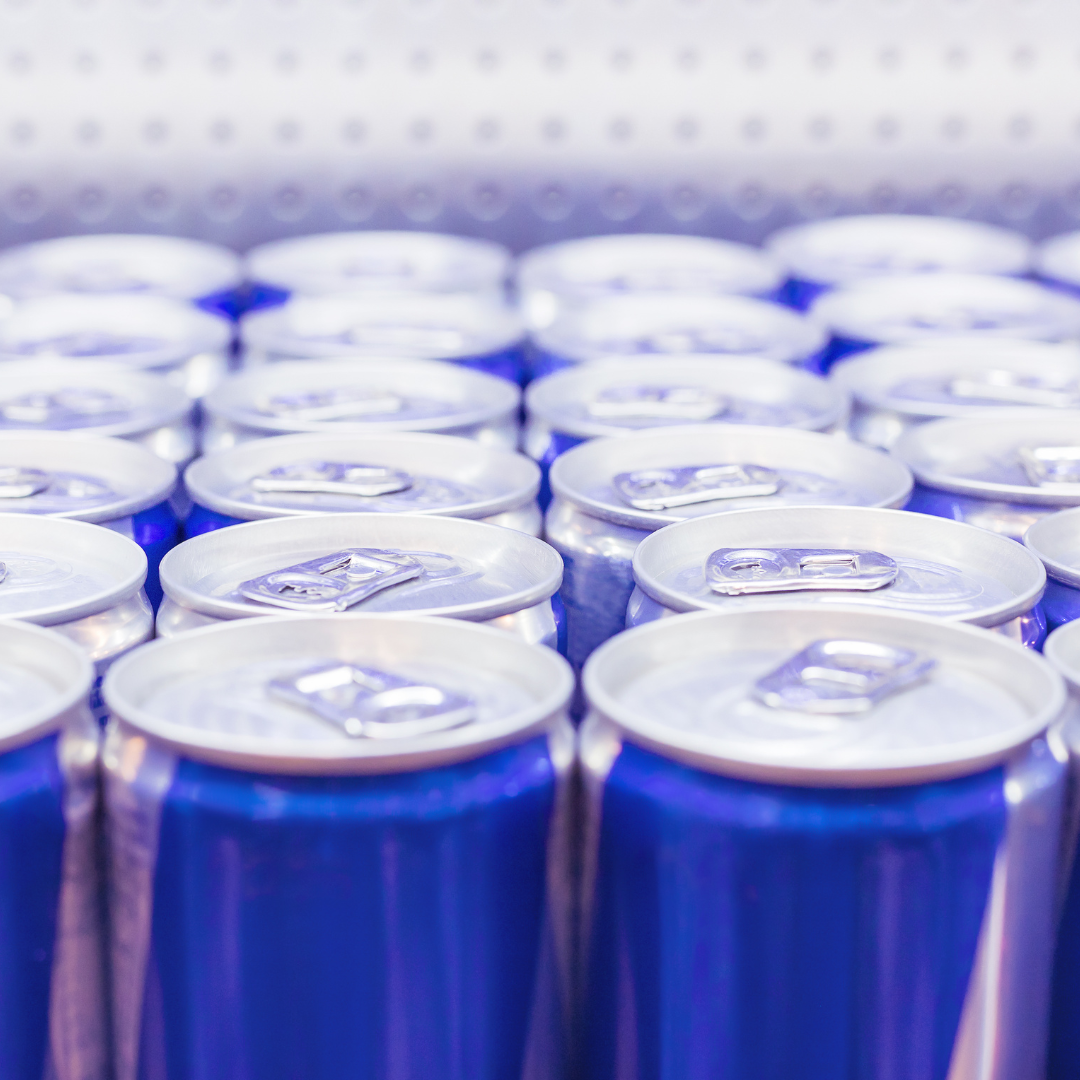

Energy drinks are a popular choice among people looking for rapid energy injection, especially in situations requiring intensive physical or mental effort. However, eating them raises a lot of controversy, especially in the context of health and weight control. In this article, we will look at how energy drinks affect the body, from what age they can be safely consumed, and whether they can contribute to gaining weight. In addition, we will discuss the differences between energy with and without sugar, and offer healthy alternatives for these popular drinks.
The influence of energy on the body
Energy drinks contain a number of ingredients that are aimed at increasing the level of energy and improving concentration. Important ingredients are caffeine, taurine, sugars and various vitamins and minerals, such as B vitamins. Caffeine is the most important stimulant in energy, acting on the central nervous system by blocking adenosine receptors, which leads to a decrease in feeling of fatigue and increasing vigilance. Tauryna, the amino acid present in many energy drinks, supports energy metabolism and the functioning of muscles and nervous system. However, the consumption of energy drinks has its dark sides. High caffeine content can lead to a number of undesirable effects, such as tachycardia (accelerated heartbeat), increased blood pressure, falling asleep problems, and even anxiety and irritability. Frequent energy consumption can also lead to caffeine addiction, which is manifested by the need to increase the dose to achieve the same stimulation effect. The effect of sugar contained in many energy sets cannot be overlooked. The high sugar content can lead to a rapid increase in blood glucose, which after a short time causes a sharp decrease in energy, leading to a feeling of fatigue and the need to eat another dose of caffeine or sugar. Prolonged consumption of energy drinks can contribute to the development of insulin resistance, type 2 diabetes and other metabolic diseases.Since when can you drink energy? - Are they healthy?
The issue of eating energy drinks by young people and children raises a lot of controversy. According to the recommendations of many health organizations, such as the American Pediatric Academy, energy drinks should not be consumed by children and adolescents under 18 years of age (hence the amendment to Polish regulations in this area). The reason is the high risk of the negative effect of caffeine on the developing nervous and cardiovascular systems. Younger organisms are more susceptible to caffeine, which can lead to serious health problems, such as heartbreal disturbances or sleep problems. In addition to caffeine health risk, energy drinks also contain other ingredients, such as Tauryna, Guarana or high concentrations of B vitamins, which in excess can have an adverse effect on the health of young people. For this reason, energy is not recommended for children and adolescents, and their consumption should also be limited among adults. For adults, especially those with existing cardiovascular diseases, hypertension or anxiety disorders, regular consumption of energy drinks can be dangerous. High caffeine and sugar content, as well as interactions with some drugs, can lead to serious health consequences. Therefore, even among adults, caution and reduction of energy drinks are recommended.Are you gaining weight from the energetics?
One of the most common questions related to the consumption of energy drinks is whether they can contribute to gaining weight. The answer to this question depends largely on the type of energy consumed and the general caloric balance of a person. Napoje energetyczne zawierające cukier są wysoko kaloryczne. Typowa puszka energetyka o pojemności 250 ml może zawierać od 100 do 150 kcal, głównie pochodzących z cukru. Spożycie kilku puszek dziennie może znacząco podnieść dzienny bilans kaloryczny, prowadząc do przyrostu masy ciała. In addition, sugar contained in energy can cause rapid jumps and drops in blood glucose, which promotes hunger and snacking, which can also contribute to weight gain. Z drugiej strony, istnieją napoje energetyczne bez cukru, które mają zerową lub niską wartość kaloryczną. Although such drinks do not provide calories, their regular consumption can lead to other health problems, such as metabolism disorders or a negative effect on the intestinal microflora, which can indirectly affect body weight.Energetyki bez cukru na diecie?
Napoje energetyczne bez cukru stają się coraz bardziej popularne wśród osób dbających o linię, ale czy są one zdrowszą alternatywą? Energy without sugar contain artificial sweeteners, such as aspartame, success or acesulfam k, which give them a sweet taste without adding calories. Choć te napoje są niskokaloryczne, istnieją kontrowersje dotyczące ich długoterminowego wpływu na zdrowie. Sztuczne słodziki mogą wpływać na układ hormonalny, w tym na poziom insuliny, co może prowadzić do zaburzeń metabolizmu glukozy. There are studies suggesting that regular consumption of artificially sweetened drinks can paradoxically lead to weight gain through hunger and satiety signals. In addition, some studies indicate the potential effect of artificial sweeteners on the intestinal microflora, which may have further consequences for metabolic health. Choć napoje energetyczne bez cukru mogą wydawać się lepszym wyborem w kontekście kaloryczności, nie są one pozbawione ryzyka. Regular consumption of such drinks can lead to excessive stimulation of the nervous system, sleep problems and a potentially negative effect on metabolic health.Wartość kaloryczna energetyków
The caloric value of energy drinks is an important factor that should be taken into account, especially if the goal is to control body weight. Tradycyjne napoje energetyczne zawierające cukier mogą dostarczać znaczne ilości kalorii. For example, a standard 250 ml energy can usually contains 100 to 150 kcal, which is equivalent to two to three teaspoons of sugar. In the case of people consuming several such drinks a day, caloric value can quickly accumulate, leading to a caloric surplus, which promotes gaining weight. Therefore, people striving to reduce body weight should pay special attention to the caloric content of consumed drinks, including energy drinks. Energetyki bez cukru, mimo że są niskokaloryczne, nie są pozbawione potencjalnych zagrożeń, o których wspomniano wcześniej. Although they do not provide calories, their consumption may affect other aspects of metabolic health, which should also be taken into account in the context of body weight management.Czym zastąpić energetyki na diecie?
For people who are looking for healthy alternatives to energy drinks, there are many options that can provide energy and improve concentration without negative side effects. Here are some suggestions:- Green tea - Green tea contains caffeine and L-theanine, an amino acid that can improve concentration and at the same time alleviate the effects of caffeine. Ponadto, zielona herbata jest bogata w przeciwutleniacze, które wspierają zdrowie metaboliczne.
- Coffee - Coffee is a natural source of caffeine that can improve concentration and increase energy levels. Unlike energy drinks, coffee does not contain a sugar addition (if it is not sweetened), which makes it a better choice for people who care about the lines. In addition, coffee contains antioxidants that can support heart health and reduce the risk of some chronic diseases. It is important, however, not to overdo it with the amount of coffee consumed, because excess caffeine can lead to sleep problems, nervousness and acceleration of heart rate.
- Yerba Mate - Yerba Mate is a traditional South American drink that contains natural caffeine and a series of vitamins, minerals and antioxidants. Yerba Mate can provide long -term energy without sudden blood glucose jumps, which makes it a good choice for people on a diet.
- Fruit smoothie with protein - Smoothie based on fresh fruit, vegetables and proteins (e.g. from natural yogurt or protein conditioner) can be a healthy and filling source of energy. Such smoothie provides natural sugars, vitamins, minerals and fiber, which supports metabolic health and helps maintain a stable level of energy for a long time.
- Coconut water - Coconut water is a natural isotonic drink, rich in electrolytes that help hydrate the body and supplement electrolyte losses after physical exertion. It is low -calorie and contains a small amount of natural sugars, which makes it a healthier alternative to energy drinks.
- Electrolyte drinks without the addition of sugar - For people who need rapid hydration and supplementing electrolytes after intense effort, electrolyte drinks without the addition of sugar can be a good choice. They contain the right amount of electrolytes such as sodium, potassium and magnesium, without providing unnecessary calories.
Summary
Energy drinks can provide rapid energy injection, but their regular consumption is associated with risk to health, especially in the context of excessive consumption of caffeine and sugar. For people who care about body weight, it is especially important to pay attention to the caloric content of energy and possible side effects associated with their consumption. Energy drinks without sugar can be an alternative, but they are also not without potential threats, especially in the long run. Healthy alternatives to energy drinks can be natural caffeine sources, such as coffee, green tea or yerba mate, as well as fruit and vegetable -based drinks that provide natural vitamins, minerals and fiber. It is worth giving up energy drinks in favor of a more balanced approach to energy level management, based on a healthy diet, regular physical activity and proper hydration. Regardless of your choice, it is important that consumption of energy drinks is aware and moderate, taking into account the potential health effects. In case of doubts or existing diseases, it is always worth consulting a doctor or dietitian before introducing such drinks into your daily diet.Footnotes
Higgins, J. P., Tuttle, T. D., & Higgins, C. L. (2010). Energy Beveages: Content and Safety. Mayo Clinic Proceedings, 85 (11), 1033-1041. Seifert, S. M., Schaechter, J. L., Hershorin, E. R., & Lipshultz, S. E. (2011). Health Energy Drinks on Children, Adolescents, and Young Adults. Pediatrics, 127 (3), 511-528. Heckman, M. A., Sherry, K., & Gonzalez de Mejia, E. (2010). Energy Drinks: An Assessment of Their Market Size, Consumer Demographics, Ingredient Profile, Functionality, and Regulations in the United States. Comprehensive reviews in food science and food safety, 9 (3), 303-317. Mattes, R. D., & Popkin, B. M. (2009). Nonnutritive Sweetener Consumction in Humans: Effects on Appsite and Food Intake and Their Putative Mechanisms. American Journal of Clinical Nutrition, 89 (1), 1-14.
Dietician
Karolina Dobrowolska-Zrałka
doktor nauk medycznych i nauki o zdrowiu, dietetyk kliniczny Absolwentka studiów I i II stopnia na kierunku dietetyka oraz doktorantka w Szkole Doktorskiej Uniwersytetu Medycznego we Wrocławiu
Więcej artykułów autoraLooking for a nutritious and filling meal?
Discover Supersonic Smart Meal! A nutritious meal you can prepare in seconds!

150 reviews
![Ranking kreatyny [2026] - TOP 10 produktów, które warto znać](http://supersonicfood.com/cdn/shop/articles/kreatyna-ranking_e52ddb6e-020b-45cf-9efd-6ed598114fe8.jpg?format=webp&v=1786695745&width=1100 "Ranking kreatyny [2026] - TOP 10 produktów, które warto znać")


