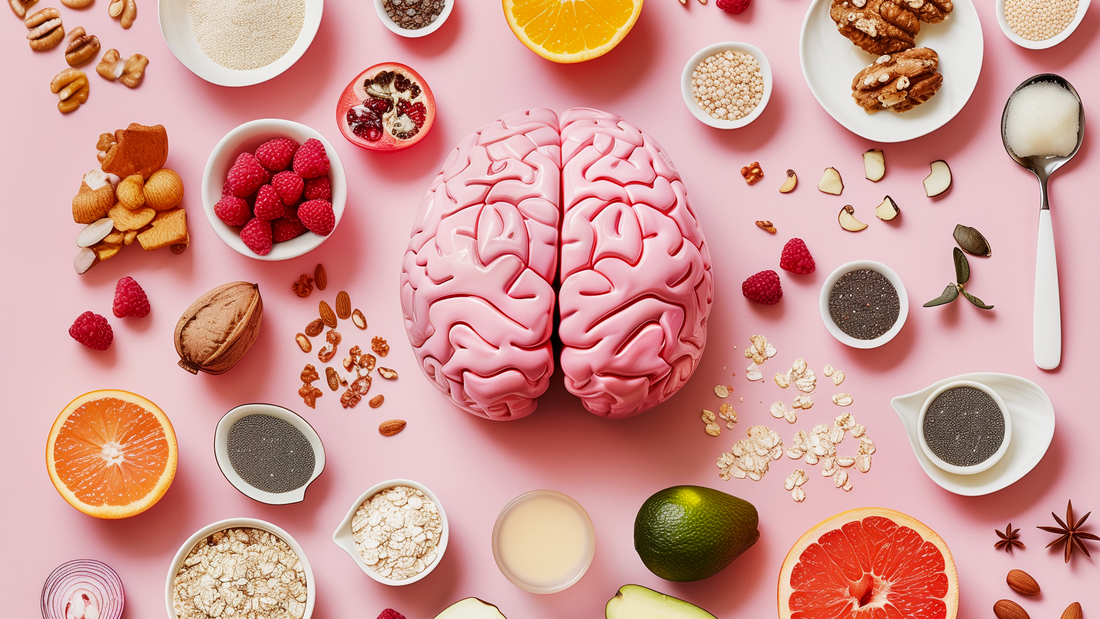

For the brain to function at full capacity, it needs the right fuel. Diet plays a key role in maintaining well-being, improving memory and concentration. What we eat is strongly correlated with brain functioning. Some products can support our ability to remember, learn and concentrate. So how can you help him with your diet and what should you supplement to think better and concentrate better on everyday tasks?
A proper diet and supplementation affect the work of the brain, improvement of memory and concentration. When planning meals, remember that they are diverse and contain vitamins, microelements and additional nutrients to ensure their cognitive functions, the ability to learn and remember important information. Also remember about supplements containing adaptogens, i.e. substances, after which you will immediately feel the difference in functioning!
Sokal A, Jarmakiewicz-Czaja S. Brain aging and the risk of a dementia syndrome-can a proper diet prevent it?
Med og health. 2022; 28 (1): 20–27.
Rathod R., Kale A., Joshi S., Novel Insights Into The Effect of Vitamin B₁₂ and Omega-3 Fatty Acids on Brain Function. J biomed sci. 2016
Morris M. C., Nutritional determinants of cognitive aging and dementia. Proceedings of the Nutrition Society, 2012, 71 (1), 1-13.
Diet for the brain - what is it?
Nowadays, when we are surrounded by a lot of stimuli and a lot of information, it is often difficult to focus and maintain concentration. Therefore, it is worth paying attention to your habits, but also to how what we eat affects our well-being and ability to concentrate. The memory and concentration diet is a set of products that are worth including in your daily diet to take care of your brain health, memory and maintaining concentration. In addition to a healthy diet and products that can be provided by eating vegetables and fruit, it is worth supplementing with ingredients that will support the daily functioning of the brain.Omega-3
Omega-3 fatty acids are important for brain health and much more. They also play an important role in the functioning of the entire body and even have anti-aging properties, which you can read more about in this article. entry about the anti-aging diet! Regular consumption of omega-3 helps improve memory and concentration and may reduce the risk of developing neurodegenerative diseases such as Alzheimer's disease. Additionally, omega-3 fatty acids have anti-inflammatory effects and may protect the brain from damage and oxidative stress, which helps maintain good mental and emotional health.Nuts and seeds
Nuts and seeds are a good source of nutrients for brain health, such as the previously mentioned omega-3 acid, antioxidants, vitamins and minerals. Additionally, the antioxidants found in nuts help fight oxidative stress, which is key in preventing cellular damage and delaying brain aging. Magnesium, zinc and iron present in the seeds play an important role in maintaining neurological functions and supporting cognitive processes. Nuts and seeds in your diet can help improve memory, concentration and overall mental performance, and also help protect against the development of neurodegenerative diseases. Because they are easy to add, e.g. to oatmeal or smoothies, they are a convenient and tasty way to support brain health.Antioxidants - the key to proper brain functioning
Antioxidants play a key role in maintaining brain health by protecting cells from damage caused by free radicals. Antioxidants are found in many products in the daily diet, such as fruits, vegetables, nuts, seeds and dark chocolate, as well as green tea. These products contain vitamins C and E, beta-carotene and other plant compounds such as flavonoids and polyphenols, which are powerful antioxidants. And antioxidants not only affect the functioning of the brain, but also protect the body against aging, so it's worth remembering about them!Microelements supporting brain function
Micronutrients play a key role in brain function. Their appropriate level in the body affects memory, concentration and mental performance. But which of them matter most?Magnesium - what role does it play?
Magnesium is a mineral that plays a large role in many processes occurring in the body, including in the proper functioning of the brain. It has a positive effect on learning, memory and concentration. The right level of magnesium in the body improves cognitive functions, reduces stress and contributes to a better sleep, which directly affects brain health. In addition, magnesium protects the brain against oxidative stress and can reduce the risk of neurodegenerative diseases such as Alzheimer's disease.Zinc - is it necessary for the proper functioning of the brain?
Zinc is an essential microelement that participates in many processes, including communication between neurons, which is important for the ability to learn and remember. It is also important for maintaining well -being, because it affects mood regulation. Where can you find zinc in the diet? Include meat, fish, nuts, seeds and whole grain cereal products in the diet to draw on the positive properties of zinc.Iron - how does it affect brain work?
Iron is crucial for brain health, but also the functioning of the whole body. He participates in the production of hemoglobin, which transports oxygen to all parts of the body. Providing the right amount of oxygen is necessary for the proper functioning and health of the brain. Iron also participates in the production of neurotransmitters, such as dopamine and serotonin, which are necessary for mood adjustment. To ensure the right amount of iron in the diet, it is worth consuming products rich in this ingredient, such as red meat, fish, legumes, pumpkin seeds and green leafy vegetables.Caffeine and brain function
Caffeine, consumed in moderate amounts, can improve concentration and focus, as well as increase the ability to process information. In addition, some studies suggest that regular caffeine consumption may reduce the risk of some diseases such as Alzheimer and Parkinson's disease. This mechanism can be associated with the antioxidant properties of caffeine and its ability to inhibit the formation of abnormal proteins in the brain, which in turn cause the formation of neurodegenerative diseases. That is why it is not worth giving up coffee and other caffeine drinks, but maintain moderation in consuming it!Supplements by heart and concentration
Supplements are a popular and effective way to support brain health and improve cognitive functions. Among the many available options, Ashwagandha, Reishi and other adaptogens that naturally support the body in dealing with stress, improve concentration and memory are especially noteworthy. Which of them should be included in the diet?Ashwagandha
Ashwaganda is an adaptogen that helps the body adapt to stress, reducing its negative effect on the body. Ashwagandha improves memory, cognitive functions and concentration ability, and also contributes to better well -being and reduction of anxiety.Reishi
Reishi mushrooms have adaptogenic effects, which means that they help the body deal with physical and mental stress. Reishi are rich in antioxidants that support the immune system, and can also improve the quality of sleep and reduce the feeling of fatigue, which indirectly contributes to better concentration and cognitive functions. You can find both Ashwaganda and Reishi in our Calm Cacao! It is a combination of good taste with effective action 🙂Other adaptogens
Adaptogens are natural substances that help the body adapt to stress and reduce its harmful effects. In addition to Ashwagandy and Reishi, the adaptogens also include Gingko Biloba, present in our Brain Coffee. The addition of coffee adaptogens improves its effect, allows you to focus even better and maintain concentration on work or learning.Vitamins supporting memory and concentration
Vitamins affect many body functions, which is why they are in many of our products. Which of them affect the brain work? B group vitamins, vitamin D, vitamin E, and vitamin C - each of these vitamins plays the role in maintaining brain health and the functioning of the nervous system. B vitamins are necessary for the production of neurotransmitters such as serotonin and dopamine, which are responsible for well -being and concentration. Vitamin D supports brain functions and prevents cognitive disorders, with its low level associated with a greater risk of depression and diseases, e.g. Alzheimer. Vitamin E, as a strong antioxidant, protects brain cells against the harmful effects of free radicals, which is especially important in preventing brain aging. In turn, vitamin C takes care of the proper functioning of the nervous system and prevents the harmful effects of free radicals.
Dietician
Karolina Dobrowolska-Zrałka
doktor nauk medycznych i nauki o zdrowiu, dietetyk kliniczny Absolwentka studiów I i II stopnia na kierunku dietetyka oraz doktorantka w Szkole Doktorskiej Uniwersytetu Medycznego we Wrocławiu
Więcej artykułów autoraLooking for a nutritious and filling meal?
Discover Supersonic Smart Meal! A nutritious meal you can prepare in seconds!

150 reviews


