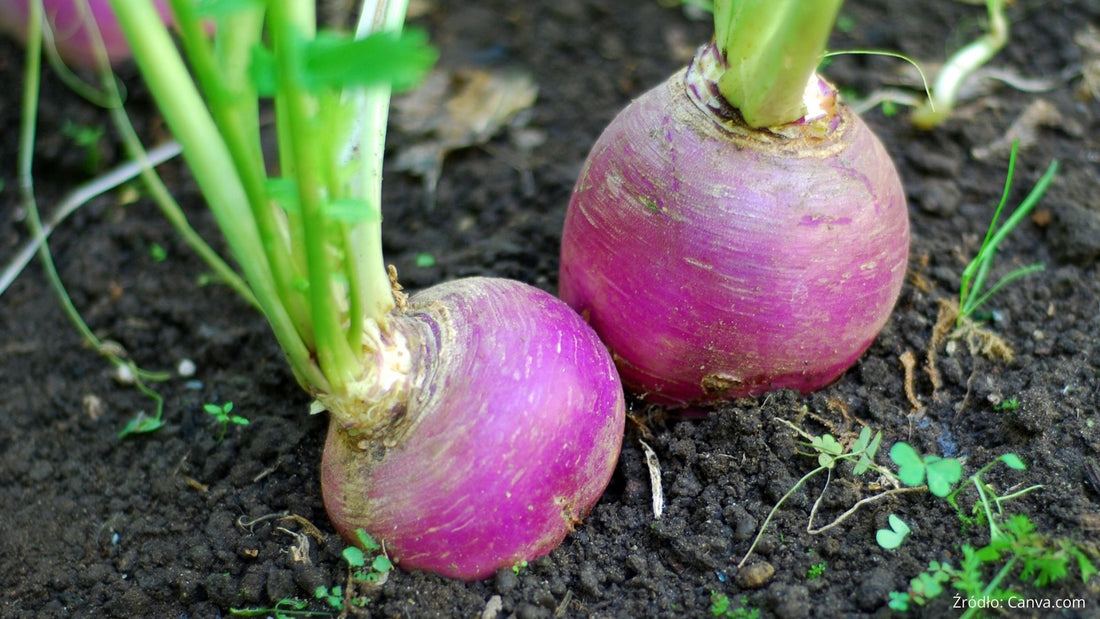

Turnip is one of the vegetables that, despite its long history, is often underestimated in modern cuisine. It is not only a versatile food product, but also a treasure trove of valuable nutrients that support health on many levels. Thanks to its low calorie content and high fiber content, turnip is an ideal dietary ingredient for people who care about a healthy weight, and its richness of vitamins and minerals means that it can support the immune system, heart and intestines. Let's take a closer look at what turnips look like and what health benefits they offer.
What does a turnip look like? Characteristic shape and variety of varieties
Turnip is a root vegetable characterized by a spherical or slightly flattened shape. It is most often found in white or cream color with a purple tint in the upper part, where it grows above the ground. However, there are also varieties of turnips with yellow, green and even pink skin, which makes them visually attractive in the kitchen. Turnip flesh is hard and juicy, and its color is usually white or pale yellow. In terms of size, turnips can range from a few centimeters in diameter to larger specimens that exceed 15 cm. Younger turnips are more delicate in taste and have a milder, sweet-spicy aroma, while older turnips are more spicy and expressive, somewhat reminiscent of the taste of radish. Turnips have been cultivated and used culinary since ancient times, and their various varieties are popular in cuisines around the world.Health properties of turnips - discover the benefits for the body
Turnips are a vegetable that offers a wide range of health benefits. It is rich in nutrients that support the functioning of various body systems. Eating turnips regularly can help improve your heart health, immune system, and help you maintain a healthy weight. Turnip is particularly valued for its high content of dietary fiber, which supports intestinal health and peristalsis. Fiber helps maintain a healthy weight by keeping you feeling full longer, which can help prevent snacking between meals. Additionally, fiber helps regulate blood glucose levels, which is beneficial for people with diabetes or insulin resistance. It is also worth mentioning the anti-inflammatory effect of turnip. The compounds it contains, such as glucosinolates, support the body in the fight against inflammatory processes and may support the prevention of cancer. Thanks to the content of antioxidants such as vitamin C, turnips protect cells against oxidative stress, which is important for the health of the immune system.Turnip as a source of vitamins and minerals - support your health naturally
Turnips are a rich source of vitamins and minerals that play an important role in maintaining the health of the body. The most important of them are:- Vitamin C: It is a strong antioxidant that supports the immune system, supports collagen production and protects cells against oxidative stress. Vitamin C is also important for proper wound healing and skin health.
- Vitamin K: It helps in proper blood clotting and supports bone health.
- B vitamins (B6, folic acid): Responsible for proper energy metabolism, support the nervous system and the production of red blood cells.
- Potassium: It supports the regulation of blood pressure and electrolyte balance, which is important for the health of the heart and circulatory system.
- Manganese: It is important for bone health and also plays a role in the metabolism of carbohydrates, fats and proteins.
Rzepa as a source of antioxidants - support your health and immunity
Antioxidants contained in rape, such as vitamin C and glucosinolan, play an important role in protecting cells against damage caused by oxidative stress. Oxidative stress, caused by the excess of free radicals in the body, can lead to premature aging of cells and increased risks development of chronic diseases such as atherosclerosis, diabetes and cancer. Glucosinolates, naturally occurring compounds in Rzepa, also have anti -cancer effects. Studies indicate that they can support the detoxification of the body by stimulating the enzymes responsible for neutralizing carcinogens. Regular consumption of cross vegetables, such as Velcro, can therefore contribute to reducing the risk of developing some types of cancer, especially those associated with the digestive tract.Rzepa in the kitchen - tasty recipes and ideas for use
Velcro, although sometimes underestimated in the kitchen, offers wide culinary possibilities. It can be consumed both raw and after thermal treatment. Raw turnip has a crunchy, slightly spicy structure that works perfectly in salads or as an addition to salads. Its spicy taste, reminiscent of radish, gives the dishes a distinct character. Excellent recipes with Velcro are:- Velcro puree: A slightly cooked Velcro can be mixed into cream puree, which is a healthy alternative to a traditional potato puree.
- Roast turnip: Cut into pieces, gently seasoned and baked turnip is a simple, but full of taste addition to main dishes.
- Sauer turnip: The fermentation process not only gives the Rzepie a specific taste, but also enriches it with health -favorable probiotic bacteria that support the intestinal microflora.
- Velcro cream soup: The combination of turnip with other root vegetables, such as carrots or celery, allows you to create a delicious, filling cream soup.
Summary
Velcro is a vegetable full of nutritional values and health properties that should find its place in your daily diet. It is rich in vitamins, minerals, fiber and antioxidants that support the health of the immune, digestive and cardiovascular systems. Thanks to its versatile culinary applications, turnip can be used in many ways - from raw salads, through baked and stewed dishes to silage. Including the turnip in the diet is a simple way to improve health and enrich daily meals with valuable nutrients.Sources:
Campbell, M. C., & Robertson, G. L. (2018). Cruciferous Vegetables and Human Health: Epidemiological Evidence and Mechanistic Basis. Journal of Nutrition and Metabolism, 2018, 1-15. Fahey, J. W., & Talalay, P. (2002). Antioxidant Functions of Glucosinolates: A Potent inducer of Phase II Detoxication enzymes. Journal of Agricultural and Food Chemistry, 50 (21), 6212-6217. Steinmetz, K. A., & Potter, J. D. (1996). Vegetables, Fruit, and Cancer Prevention: A review. Journal of the American Dietetic Association, 96 (10), 1027-1039. Micha, R., & Mościej, D. (2010). The role of dietary fiber in cardiovascular disc. Nutrition Reviews, 68 (4), 233-246.
Dietician
Karolina Dobrowolska-Zrałka
doktor nauk medycznych i nauki o zdrowiu, dietetyk kliniczny Absolwentka studiów I i II stopnia na kierunku dietetyka oraz doktorantka w Szkole Doktorskiej Uniwersytetu Medycznego we Wrocławiu
Więcej artykułów autoraLooking for a nutritious and filling meal?
Discover Supersonic Smart Meal! A nutritious meal you can prepare in seconds!

150 reviews


