

Creatine and the psyche This is an issue that increasingly appears alongside conversations about energy, mood, fatigue and brain function. Creatine has been associated primarily with sports for years, but its role in the body is not limited to muscles. It takes part in the energy management of cells, which is why researchers also analyze it in the context of the nervous system and well-being.
However, this does not mean that creatine it is a solution to mental problems or a substitute for treatment. The psyche depends on many factors: sleep, stress, diet, physical activity, relationships, health and daily rhythm of life. Creatine is worth treating as an ingredient that can be part of a broader routine, but not as a simple answer to low mood, tension or chronic fatigue.
How does the psyche connect with the body's energy?
Mental well-being is not disconnected from how the body functions. When the body is overtired, dehydrated, sleep deprived or poorly nourished, irritability, loss of motivation, difficulty concentrating and lower resistance to stress appear more easily. Many people notice this especially during periods of intense work, study or after a few nights of poor sleep.
The brain needs a lot of energy to function on a daily basis. It is responsible for thinking, memory, emotions, decision-making and response to stress. If the conditions for the functioning of the nervous system are worse, it may affect the mood and comfort of functioning. That's why when talking about the psyche, the topic of sleep, regular meals, activity and regeneration comes up so often.
Creatine appears in this area due to its involvement in the renewal of cellular energy. This mechanism is well known in sports, but it may also be important for tissues with high energy demand. That is why they began to check whether supplementation may be important not only for physical exercise, but also for brain function and selected aspects of well-being.
Why is creatine studied in the context of mental health?
Creatine participates in processes related to energy availability in cells. In the muscles, it helps to quickly renew the resources needed during intense exercise. The brain also uses energy mechanisms, and its work requires constant processing of information, regulation of emotions and response to stimuli.
For this reason, creatine began to appear in research on mood, mental fatigue and the functioning of the nervous system. Particularly interesting is its potential involvement in situations in which the body operates under greater load. This may concern chronic fatigue, stress, sleep deficiency or conditions in which the brain's energy management is one of the elements examined.
However, it is important to distinguish scientific interest from a ready-made promise. The fact that creatine is analyzed in the context of the psyche does not mean that it independently improves everyone's mood or can be used instead of specialist support. The research is interesting, but still requires careful interpretation.
Creatine and mood – what can be said sensibly?
Mood depends on many processes at once. It is influenced by sleep, stress levels, physical activity, diet, hormones, health status, social relationships and current life situation. For this reason, no supplement should be presented as a stand-alone way to improve your psyche.
Research on creatine includes, among others, depression and low mood. Some studies analyze creatine as a possible addition to standard forms of support, rather than as a replacement for treatment. This is an important difference. A supplement means something that can be considered in a specific context, preferably under the care of a specialist, rather than a product used on its own in place of therapy or drug therapy.
If low mood, anxiety, lack of energy, sleep problems or difficulty in everyday functioning persist longer, the best step is to contact a doctor, psychologist or psychiatrist. Creatine may be an interesting ingredient from the perspective of energy metabolism, but it does not solve mental problems in itself.
Creatine, stress and mental fatigue
Stress can put a heavy burden on the body. Long-term tension affects sleep, appetite, concentration, energy levels and motivation. In such conditions, it is easier to feel overloaded, and simple tasks may require more effort. This is one of the reasons why many people seek support in diet and supplementation.
Creatine is sometimes discussed in the context of fatigue because its effects are related to cellular energy. However, this does not mean that it removes the cause of stress or allows you to function without rest. If the problem is overload, lack of sleep and constant pressure, the most important factors will be changes in the rhythm of the day, regeneration, movement, regular meals and limiting factors that deepen the tension.
Supplementation can be an addition, but it should not cover the signals sent by the body. Mental fatigue often tells you that you need breaks, sleep, or better workload management. Creatine will not replace these elements, although it can be considered as part of a more structured approach to everyday functioning.
Can creatine affect motivation?
Motivation does not depend solely on energy levels. Goals, emotions, stress, sleep, sense of agency, mental health and the general condition of the body are of great importance. When a person is tired or overloaded, it is naturally more difficult to get down to work, training or studying. This does not always mean a lack of discipline; this is often a signal that the body needs better regeneration.
Creatine should not be treated as a means of directly increasing the willingness to act. Its potential significance is related to energy metabolism rather than an immediate change in attitude. If someone expects an effect similar to strong stimulation, they may be disappointed.
In the daily routine, the combination of several elements is more important: regular sleep, exercise, well-selected meals, a realistic daily schedule and breaks. Only against this background can you reasonably assess whether creatine fits your lifestyle and whether it is worth using it for longer.
Diet and sleep and mental health
The diet does not replace psychological help or treatment, but it affects the overall functioning of the body. Irregular eating, too little energy, protein deficiency, dehydration and frequent reaching for random snacks can make the day worse. For some people, such habits increase fatigue, irritability and difficulty concentrating.
Sleep is equally important. It is during rest that the nervous system regenerates and the brain organizes information and regulates many processes related to emotions. When sleep is regularly shortened, the body may cope with stress less easily and react with tension more quickly. Then even the best-chosen supplementation has limited significance.
Flow Creatine as creatine for the body and head
For years, creatine has been associated mainly with the gym, greater strength and support for physical exercise. It is still an important direction, but today it is increasingly being looked at more broadly. Active people don't just need muscle support.
They also need good concentration, stable energy, efficient functioning at work and greater resistance to the intense daily rhythm. Therefore, the form of creatine may be important not only for athletes, but also for people who work a lot mentally and want to maintain high performance without accidental supplementation.
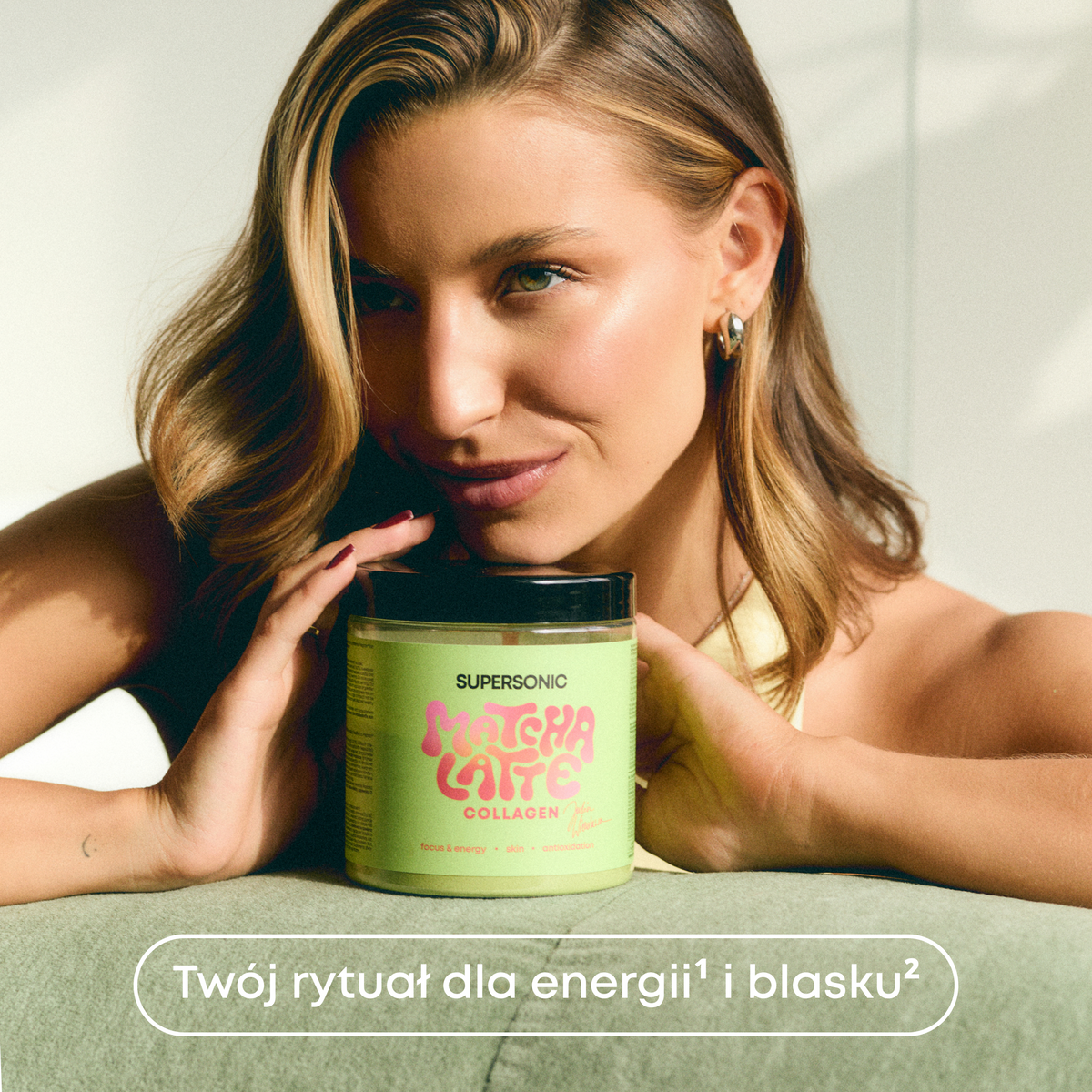
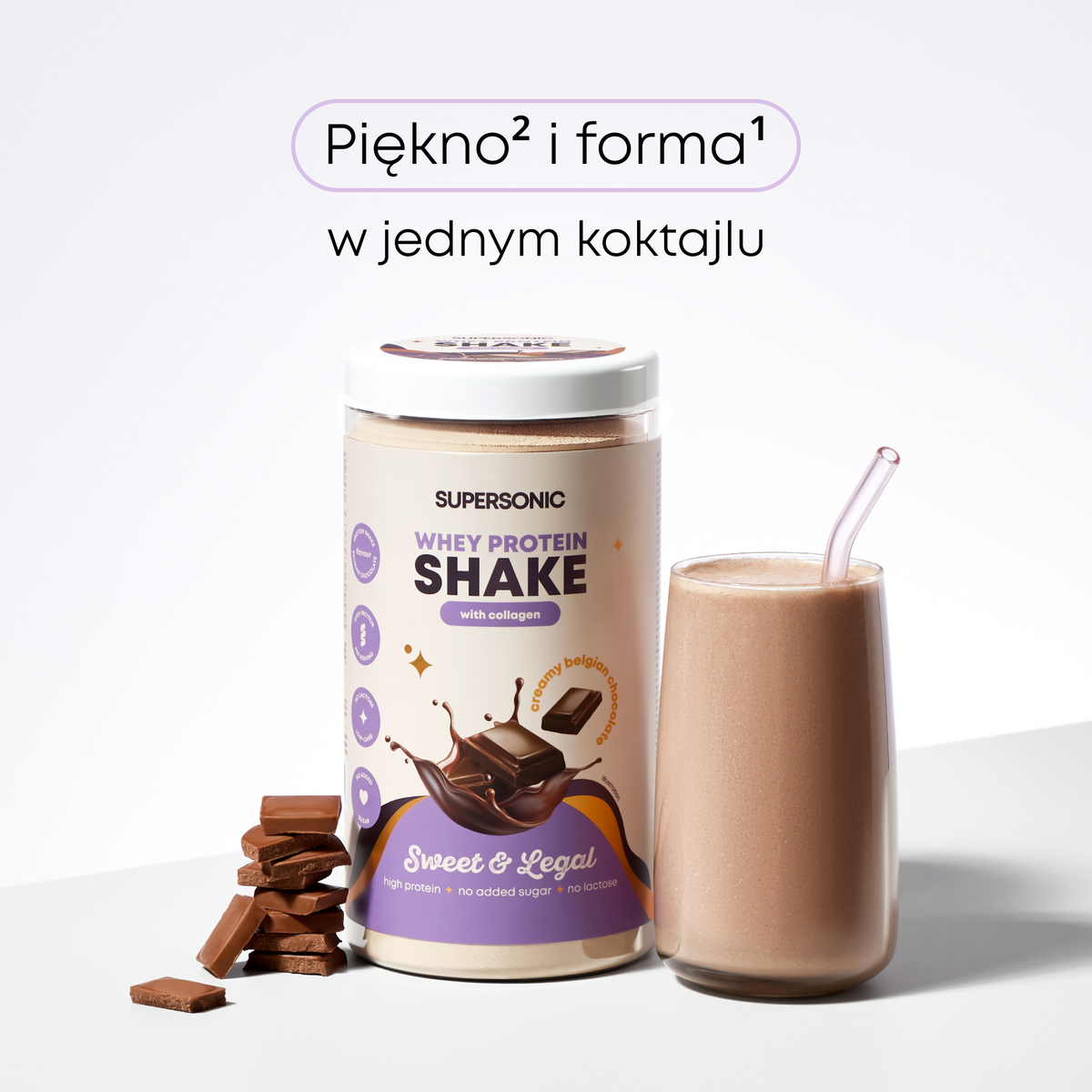
Flow Creatine from Supersonic Food is a formula developed precisely in this direction. This is not classic training creatine, which focuses only on muscles and physical exercise. The product connects LiposoMax® liposomal creatine with additives supporting everyday functioning: NALT, ginseng and B vitamins. This makes it a good fit for people who want to ensure physical activity, clarity of thinking, motivation and better coping with a demanding day.
The technology itself is also important. Flow Creatine uses liposomal form, in which creatine is enclosed in microscopic lipid structures. It is a modern ingredient delivery technology, designed for bioavailability, effective delivery of the active ingredient and greater comfort of daily supplementation. Thanks to this, creatine can be part of a modern wellness routine, and not just a supplement associated with the gym.
The formula is complemented by ingredients selected for daily performance. NALT is a tyrosine precursor, an ingredient used in products supporting concentration and mental performance. Ginseng is an adaptogen traditionally used in periods of fatigue and intense exercise.
B vitamins they help reduce the feeling of fatigue and support the proper functioning of the nervous system. This combination makes Flow Creatine not just creatine for training, but a functional drink for the body and head.
The form of administration is also important. Flow Creatine comes in the form of a tasty drink, not a typical powder that you have to drink "because you have to". This is a big difference in everyday use. If the product tastes good, is easy to prepare and does not require breaking every time, it is much easier to maintain regularity. And when it comes to creatine, regularity is one of the most important conditions for sensible supplementation.

Creatine and the psyche in the context of physical activity
Movement is one of the best described elements supporting overall well-being. Regular activity can help reduce tension, improve sleep quality and keep you in better shape. Creatine is well known to people who train because its effects in the context of physical exercise have been described much more broadly than its potential impact on the psyche.
This does not mean that creatine is only for athletes. People who work mentally, study or function in a fast daily rhythm are increasingly interested in it. However, it is worth remembering that the best documented use is for physical exercise, and more well-designed research is still needed in the area of mental health.
Physical activity, diet, sleep and regeneration create the basis on which supplementation makes more sense. If these elements are neglected, adding creatine will not solve the problem of overload, poor well-being or lack of energy. It's best to treat it as an addition, not a starting point.
How to use creatine wisely?
Creatine is most often used regularly, and the specific time of day is usually less important than consistency. Many people take it with a meal, after training or at a regular time to make it easier to maintain the habit. This is not a supplement that should be taken immediately before mental exertion or stressful situations.
Caution is especially important for people struggling with mental health problems. If someone takes medications, is under the care of a psychiatrist, has depression, anxiety disorders, bipolar disorder or another diagnosis, it is best to discuss supplementation with a specialist. The same applies to people with kidney disease, chronic diseases, pregnant women and breastfeeding people.
The best approach is to observe the entire routine. If sleep, eating, hydration and activity are in order, it is easier to assess whether creatine actually fits into everyday functioning. If the basics are neglected, it is worth starting with them.
Summary – creatine and the psyche
Creatine and the psyche This is a topic that should be treated calmly and without exaggeration. Creatine is involved in energy metabolism, and the brain needs energy to regulate emotions, concentrate and perform everyday activities. This explains why it shows up in research on the nervous system and mental health.
However, there is no reason to present creatine as an independent way to improve mood, reduce stress or treat mental problems. It may be considered as part of a broader routine, especially for active people and people who watch their diet, but it does not replace sleep, regeneration, therapy or medical help.
It makes most sense to look at creatine as an addition to a well-organized lifestyle. Regular meals, physical activity, hydration, sleep and appropriate support in the event of mental difficulties are more important than a single supplement ingredient.
FAQ – creatine and the psyche
Does creatine improve your mood?
You can't promise that creatine will improve everyone's mood. It is studied in the context of brain function, cellular energy and mental health, but mood depends on many factors. In case of long-term depression of well-being, the most important thing is to contact a specialist.
Does creatine help with stress?
Creatine does not eliminate the causes of stress. It can be considered as part of a general routine, but when stress is high, sleep, exercise, rest, daily organization and psychological support are more important. If stress makes everyday functioning difficult, it is worth seeking professional help.
Is creatine a cure for depression?
NO. Creatine is not a cure for depression and should not replace treatment, psychotherapy or psychiatric consultation. In research, it is sometimes analyzed as a possible addition to standard treatment, but decisions in this area should be made with a specialist.
Can creatine be combined with psychiatric medications?
People taking psychiatric medications should consult creatine supplementation with a doctor. This is important because the specialist should know the full picture of the treatment, preparations used and health condition.
Can creatine increase anxiety?
There is no basis to clearly state that creatine increases anxiety in healthy people, but reactions to supplements may be individual. If discomfort, deterioration of well-being or anxiety occurs after taking creatine, it is worth discontinuing use and consulting a specialist.
Does creatine act as a stimulant?
NO. Creatine does not work like caffeine and does not provide the typical quick stimulation. Its role is mainly related to the energy management of cells, which is why it is used regularly, and not as a temporary remedy for a worse mood or lack of energy.
Sources
British Journal of Nutrition, Creatine supplementation for treating symptoms of depression: a systematic review and meta-analysis
National Library of Medicine, The role of brain creatine in behavioral health conditions
European Neuropsychopharmacology, Efficacy and safety profile of oral creatine monohydrate augmentation for depression
EFSA Journal, Creatine and improvement in cognitive function: evaluation of a health claim
Journal of the International Society of Sports Nutrition, International Society of Sports Nutrition position stand: safety and efficacy of creatine supplementation in exercise, sport, and medicine

Looking for a nutritious and filling meal?
Discover Supersonic Smart Meal! A nutritious meal you can prepare in seconds!


