

Creatine and cognitive functions This is an issue that increasingly goes beyond the world of sports. Creatine is mainly associated with strength, training and muscle regeneration, but its participation in the body's energy management means that it also appears in the context of brain function, memory, concentration and mental fatigue.
However, it is not worth treating it as a quick way to think better. Creatine it does not act like caffeine and does not provide an immediate stimulating effect. Its potential importance for mental work is more complex and depends, among others, on sleep, diet, level of fatigue, physical activity and regularity of use.
How does cognitive function affect everyday performance?
Cognitive functions they are responsible for concentration, memory, learning, analyzing information, making decisions and planning. Thanks to them, you can focus on work, remember new information, react to changes and efficiently perform tasks that require attention. When the body is rested, well-nourished and hydrated, mental work usually goes more smoothly.
Problems with concentration do not always result from the lack of a specific ingredient in the diet. They are often the result of too little sleep, stress, irregular meals, dehydration or overload with responsibilities. Therefore, supplementation should be treated as an addition, not the first and only way to improve everyday functioning.
Repeatability is of the greatest importance. A regular daily rhythm, adequate amount of sleep, well-balanced meals and breaks at work create the basis on which further activities can be built. Creatine may be one element of such a routine, but its meaning is best assessed in a broader context.
Why is creatine studied in the context of brain function?
Creatine participates in processes related to the renewal of cellular energy. In sports, this is most often talked about during short, intense exercise, because the muscles use phosphocreatine when the energy demand increases quickly. This mechanism is well known to people who train strength and practice dynamic sports.
The brain also needs energy to function efficiently. Nerve cells constantly process information, transmit signals and participate in processes related to memory, attention and decision-making. For this reason, creatine has become of interest to researchers outside the context of training.
However, the effects known from sports cannot be directly transferred to mental work. The effects of creatine on muscle are better described, but the results on cognitive function are more mixed. This means that it is worth talking about the possible importance of creatine, but without promising certain effects.
What is known about creatine and concentration?
Research on creatine and mental performance shows that its effects may be more interesting in certain situations, for example when tired, sleep deprived or when the body is under greater stress. In such conditions, the brain works under pressure, and maintaining attention and quickly processing information may be more difficult.
Some analyzes indicate potential benefits in selected areas, such as memory, attention or information processing speed. However, this does not mean that every person will notice a significant improvement after starting supplementation. Age, diet, activity level, health status and general level of fatigue may play a role.
In practice, it is best to avoid simple promises. Creatine may be an interesting ingredient for people who care about activity, regeneration and diet, but it should not be presented as a sure way to improve concentration. It is still a supplement, not a replacement for sleep, rest and a well-planned day.
Creatine and memory and speed of thinking
Memory and thinking speed depend on many factors. What matters is the quality of sleep, stress level, regularity of meals, hydration and the general condition of the body. Creatine appears in this area mainly because it is involved in providing energy to cells, and the brain is an organ with high energy demand.
However, you should not expect an effect similar to drinking coffee. Caffeine affects the feeling of stimulation, while creatine has a different effect. Its use is more long-term and usually involves regular use, rather than a single use before studying, meeting or work that requires concentration.
If someone wants to check whether creatine fits into their routine, they should also take care of the basics. Without sleep, hydration and regular eating, it is difficult to assess whether any change is due to supplementation or simply to better organizing daily habits.
Mental fatigue and sleep deprivation
Mental fatigue often occurs when the body operates at high speed for a long time. Intensive learning, working in front of a computer, stress, little sleep and lack of breaks can reduce concentration and increase reaction time. It is in such conditions that researchers are particularly keen to check whether creatine may be important for cognitive performance.
Some research suggests that creatine may be more noticeable when the body is under stress. However, it must be clearly stated: supplementation does not replace sleep. Rest is essential for memory, nervous system recovery, emotional regulation, and maintaining energy throughout the day.
The best results are achieved by combining a few simple elements. A constant sleep rhythm, regular meals, hydration, exercise and breaks from work are more important than looking for one ingredient that will solve the entire problem. Creatine can be a supplement, but it shouldn't be a way to ignore fatigue.
The role of diet in maintaining mental fitness
Diet affects how the body copes with work, learning and regeneration. Long breaks between meals, low protein intake, random snacks and too little fluids may increase the feeling of fatigue. The brain needs stable conditions, and nutrition is one of the elements that create these conditions.
A well-composed menu should include protein, carbohydrates, fats, vitamins and minerals. This doesn't have to mean a complicated diet. Regularity and limiting random choices often make the biggest difference, especially on days full of work, study or training.
The form of creatine is more important than it may seem
When choosing creatine, many people focus mainly on the dose and ignore the form of the product. Meanwhile, it is the form that often determines whether supplementation will be convenient, regular and well-adapted to the daily rhythm. Classic creatine is most often associated with a neutral powder that you need to dissolve in water, drink despite its mediocre taste, and hope that there will be no problems with sediment or digestive discomfort.
For some people this is enough, but more and more users are looking for something more refined: a product that combines an effective composition, comfort of use and modern ingredient delivery technology.
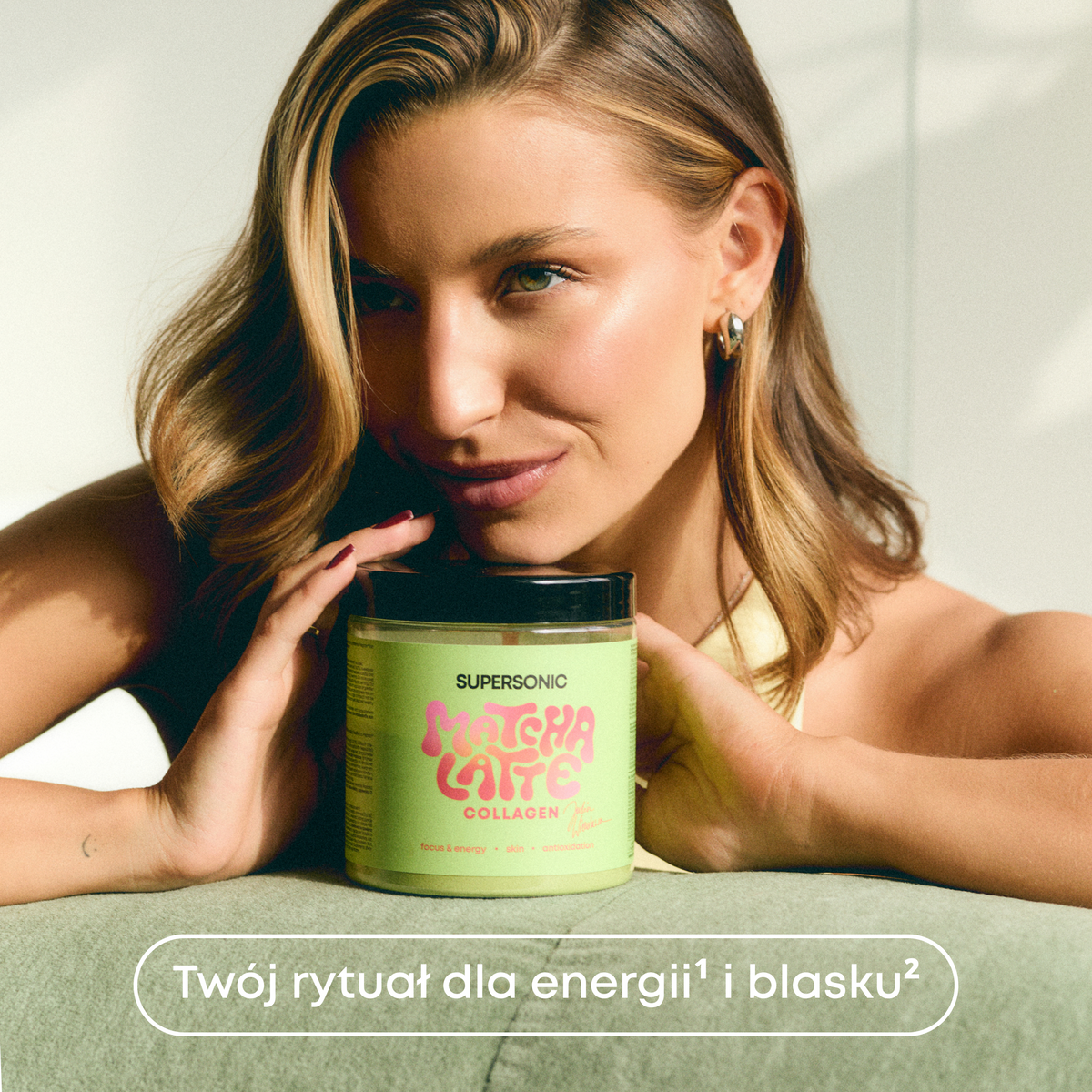
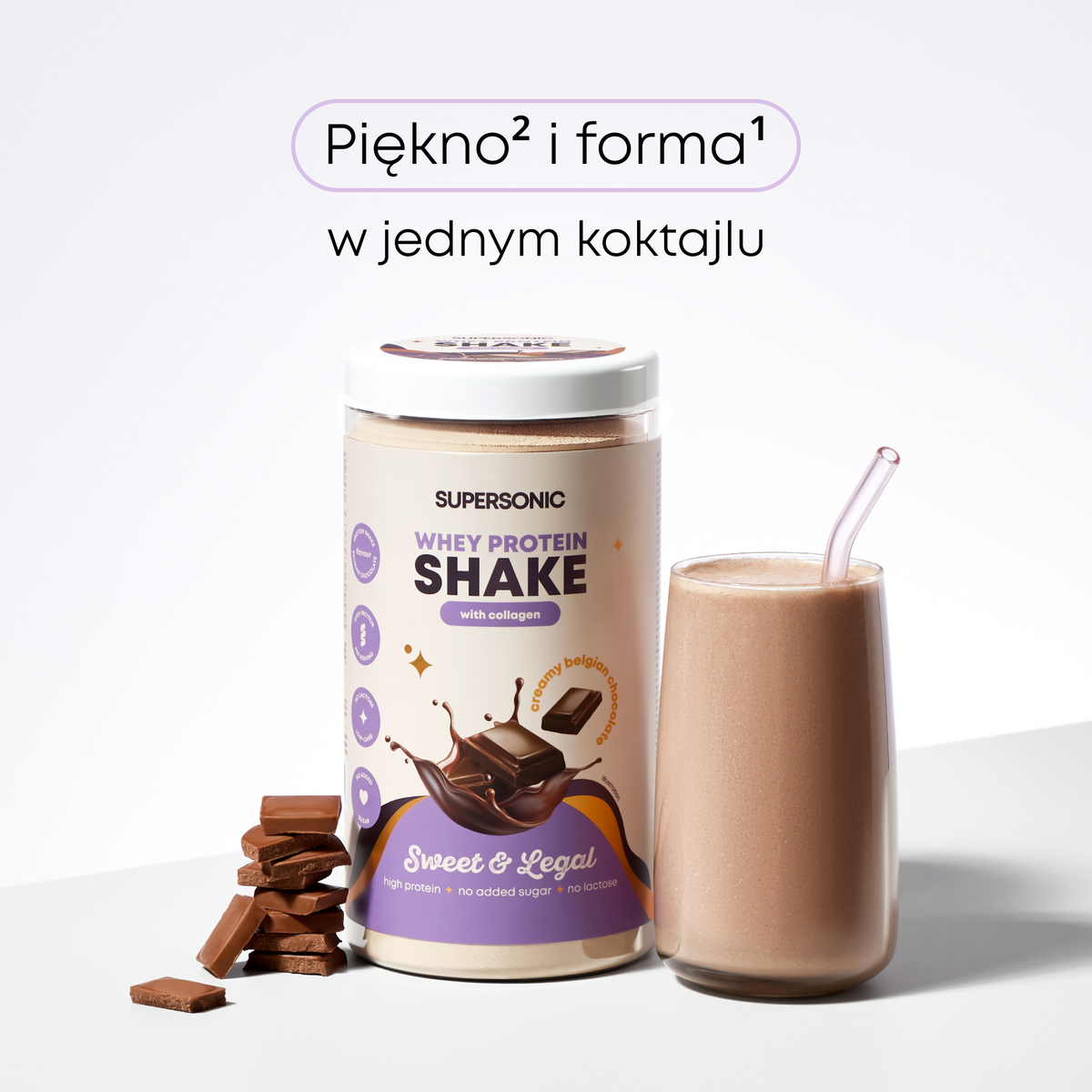
Therefore, it is an interesting alternative Flow Creatine from Supersonic Food, that is liposomal creatine in the form of a functional drink. The product uses liposomal technology LiposoMax®, in which creatine is enclosed in microscopic lipid structures. This is a technology designed for bioavailability, effective delivery of the active ingredient and greater comfort of daily supplementation. Thanks to this, creatine can be part of a modern wellness routine and not just a training supplement associated with the gym.
What also distinguishes Flow Creatine is that the formula does not end with just creatine. The lineup also includes: NALT, i.e. a tyrosine precursor used in products supporting concentration and mental performance, ginseng, an adaptogen traditionally used in periods of fatigue and intense exercise, and Cultavit® B vitamins, which help reduce the feeling of fatigue and support the proper functioning of the nervous system.
It is a combination of liposomal creatine, ingredients supporting the nervous system and a convenient drink form.
Flow Creatine so it is not a classic training creatine. It is a functional drink created for active people who want to support both their body and daily mental performance. The liposomal form was developed with the effective use of the ingredient in mind, and the pleasant taste, lack of added sugar and convenient preparation increase the chance that supplementation will become a regular part of the day, and not another product discontinued after several attempts.

Is creatine only for athletes?
For years, creatine was mainly associated with the gym. This is understandable, because its action in the context of physical exercise is best described. It is used by people who train strength, practice dynamic sports and anyone who wants to support short-term, intense muscle work.
Today, there is wider interest in creatine. It is also used by people who work mentally, study, are professionally active or care about the general condition of their body. This doesn't mean everyone needs it. Rather, it means that it is no longer perceived solely as a training supplement.
The most important thing is to adjust the supplementation to your own needs. A person who trains regularly may have different reasons for using creatine than someone who is mainly interested in concentration and fatigue. In both cases, it is worth starting from the basics and only then assessing whether creatine fits well into your daily lifestyle.
How to sensibly approach creatine supplementation?
Creatine is most often used regularly because its effect is related to replenishing resources in the body. The specific time of day usually matters less than consistency. For many people, it is most convenient to take it with a meal, after training or at a regular time of the day.
There is no need to treat creatine as a supplement only before mental exercise. This is not a product that works like a cup of coffee before studying or meeting. What matters in everyday use is regularity and the general context: diet, activity, sleep, regeneration and health.
People with kidney diseases, chronic diseases, pregnant women, breastfeeding people and people taking medications should consult supplementation with a specialist. This applies especially to situations where creatine would be used long-term or in doses other than those normally taken.
Summary – creatine and cognitive functions
Creatine and cognitive functions This is an issue that should be understood more broadly than just through the prism of sport. Creatine is involved in energy metabolism, and the brain is an organ with high energy demand. This explains why scientists are examining its possible effects on memory, attention, information processing speed and mental fatigue.
Current data suggest potential in selected situations, but do not allow creatine to be treated as a reliable way to improve concentration or memory. The basics are still the most important: sleep, regular meals, hydration, exercise and regeneration. Supplementation can complement a well-organized routine, but should not replace it.
It makes most sense to look at creatine as one of the elements of taking care of your body. Without exaggeration, without expecting an immediate effect and without treating it as a solution to all concentration problems. This approach is the most practical and closest to how creatine actually functions in everyday supplementation.
FAQ – creatine and cognitive functions
Can creatine improve memory?
Creatine has been studied for memory, but it should not be taken as a surefire way to remember better. In some people, the effects may be more noticeable, especially under certain conditions, such as fatigue. However, memory still depends on many factors, such as sleep, diet, stress and general body condition.
Does creatine help in learning?
It can be considered as part of your daily routine, but it will not replace effective learning methods. Regular breaks, sleep, repetition, hydration and good nutrition are essential. Creatine does not work as a quick way to focus before an exam.
Does creatine work like coffee?
NO. Coffee works mainly through caffeine, which affects the feeling of stimulation. Creatine is related to the energy management of cells and is usually used regularly. You should not expect the same quick effect as caffeine.
Can you take creatine without training?
Yes, creatine can also be considered outside the context of training, but the sense of its use depends on the goal, diet and health condition. It is most often associated with sports, but the interest in its impact on the brain makes it also used by people who work mentally.
When is the best time to take creatine?
The most important thing is regularity. Many people take creatine with a meal, after training or at regular times of the day. The specific time is usually less important than consistent application.
Is creatine safe?
In healthy people, standard doses of creatine are usually well tolerated. Caution should be exercised by people with kidney disease, chronic diseases, pregnant women, breastfeeding people and people taking medications. In such cases, it is best to consult supplementation with a doctor or dietitian.
Sources
Frontiers in Nutrition, The effects of creatine supplementation on cognitive function in adults: a systematic review and meta-analysis
EFSA Journal, Creatine and improvement in cognitive function: evaluation of a health claim
Scientific Reports, Single dose creatine improves cognitive performance and induces changes in cerebral high energy phosphates during sleep deprivation
Journal of the International Society of Sports Nutrition, International Society of Sports Nutrition position stand: safety and efficacy of creatine supplementation in exercise, sport, and medicine
Nutrition Reviews, Creatine and Cognition in Aging: A Systematic Review of Evidence in Healthy Older Adults

Looking for a nutritious and filling meal?
Discover Supersonic Smart Meal! A nutritious meal you can prepare in seconds!


