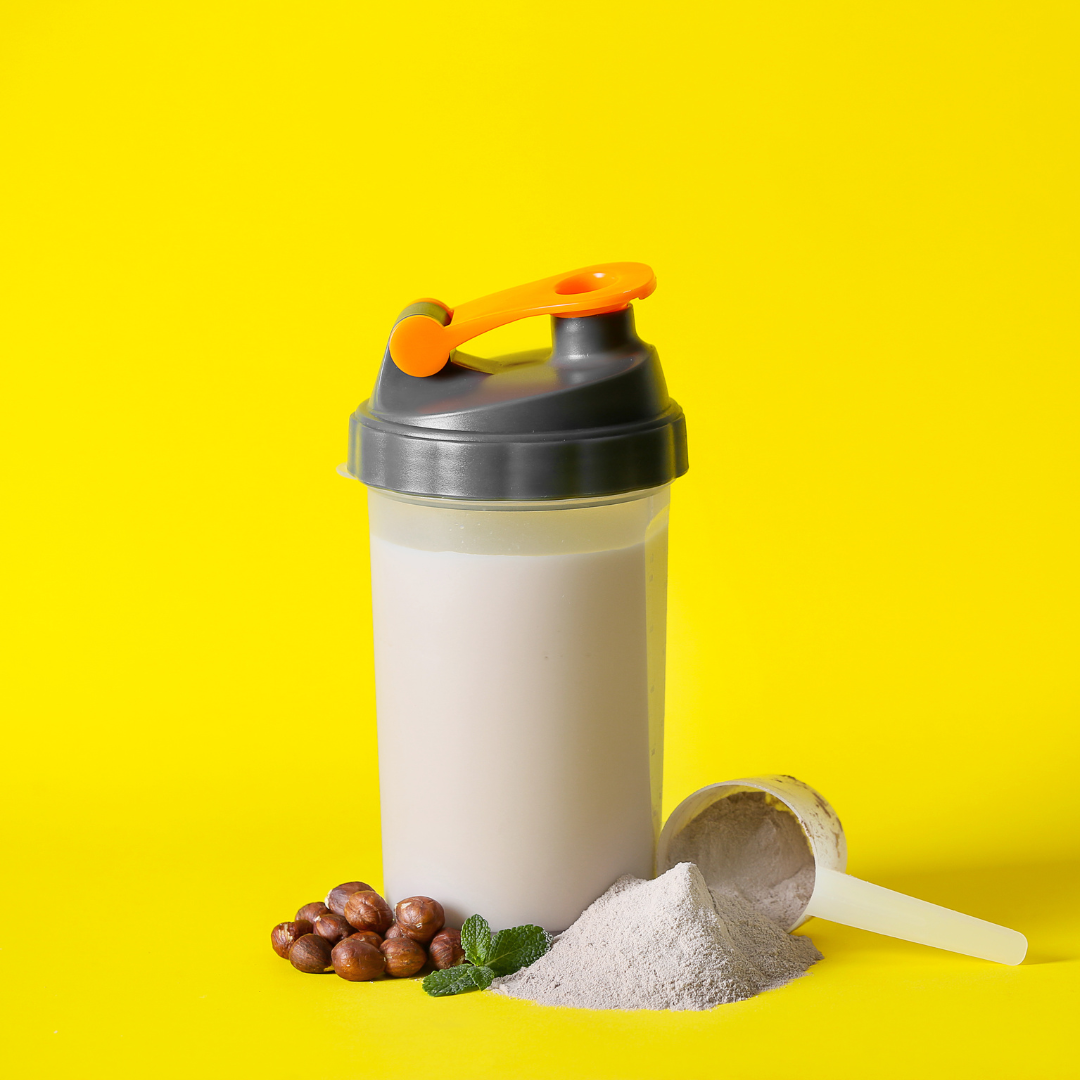

Nowadays, more and more people are paying attention to their diet and physical activity. The growing popularity of a healthy lifestyle makes protein supplementation more and more common. Proteins are responsible for muscle structure and regeneration, which is why many people, both athletes and fitness enthusiasts, decide on its additional sources in the form of supplements.
What is powder protein?
Protein, as a basic macronutrient, is responsible for the structure and regeneration of tissues, as well as the production of enzymes, hormones and other chemicals in the body. Protein in powder is a dietary supplement that provides concentrated protein forms from various sources, such as whey, casein, soy, peas or hemp.Types of protein in powder
There are many types of powder protein that differ in the source of origin, absorption speed and nutritional values. Each of them is suitable for various dietary purposes and nutritional preferences.- Whey protein (Whey Protein) - fast absorption, rich in branched amino acids (BCAA).
- Casein protein (Casein Protein) - slower absorption, ideal at night.
- Soy protein - good for vegans, has a positive effect on cholesterol.
- Pea protein - hypoallergenic, suitable for people with intolerances.
- Hemp protein - rich in fiber and healthy fats.
Vegetable protein vs animal protein
Vegetable protein and animal protein differ not only in the source of origin, but also by the amino acid profile and bioavailability. Animal protein, such as whey and casein, usually has a full set of amino acids and is quickly absorbed by the body. Vegetable protein, although it often does not have a full amino acid profile, can be equally valuable, especially when it is consumed in various combinations that complement the missing amino acids. In addition, vegetable protein is a good choice for people with lactose intolerance and allergy to milk proteins and for those who prefer a plant diet.Protein demand
The demand for protein varies depending on age, sex, level of physical activity and dietary goals. The average adult needs about 0.8-1.0 gram of protein per kilogram of body weight per day. Athletes and intensively training people may need up to 1.2-2.0 grams per kilogram of body weight. Pregnant and breastfeeding women and older people may also have increased protein demand. It is important to provide protein evenly during the day to ensure constant muscle regeneration and support for metabolic processes.Protein supplementation - for whom?
- Athletes and physically active people - accelerates muscle regeneration after intensive training and supports the structure of muscle mass.
- Slimming people - Protein increases the feeling of satiety, which can help reduce body weight and protects against muscle loss during a caloric deficit.
- Older people - reduces the risk of sarcopenia, i.e. the loss of muscle mass associated with age.
- Vegetarians and vegans - helps to meet protein needs in a plant diet.
- People with protein deficiencies resulting from diseases, e.g. with chronic intestinal diseases or after surgery.
How to supplement protein?
A typical portion of protein is 20-30 grams per meal, but for athletes it can be a higher amount, oscillating around 40 grams. Protein should be taken after training to support muscle regeneration, and at night (especially casein protein), which is digested more slowly and provides amino acids all night. Protein cocktails are the most popular way of consumption of protein, but they can also be added to other meals, e.g. porridge, yogurt or soups.Recipe 1: Grilled chicken fillet with quinoa and vegetables
Ingredients:- 200 g of chicken fillet
- 100 g of rice quinoa
- 1 red pepper
- 1 zucchini
- 1 red onion
- 1 clove of garlic
- 2 tablespoons of olive oil
- Salt and pepper to taste
- Spices: smoked pepper, thyme
Recipe 2: Salad with tuna and egg
Ingredients:- 1 can of tuna in own sauce (about 150 g)
- 2 hard -boiled eggs
- 1 avocado
- 100 g of salad mix
- 1 tomato
- 1/2 cucumber
- 1/4 red onion
- 2 tablespoons of olive oil
- 1 tablespoon of lemon juice
- Salt and pepper to taste
Recipe 3: Tofu Stir-Fry with vegetables
Ingredients:- 200 g tofu
- 1 broccoli
- 1 carrot
- 1 red pepper
- 1 yellow pepper
- 2 tablespoons of low -sodium soy sauce
- 1 tablespoon of sesame oil
- 2 cloves of garlic
- 1 cm piece of ginger
- 1 teaspoon of honey 1 teaspoon of lime juice
- Salt and pepper to taste
- 2 tablespoons of vegetable oil for frying
Protein - what dietary supplement should you choose?
The choice of the right protein supplement depends on individual needs and preferences:- Whey protein - for quick muscle regeneration and a wide selection of flavors and forms (concentrate, isolation, hydrolyzate).
- Casein protein - slower absorption, perfect at night. Frequently chosen by people on a ketogenic diet.
- Vegetable protein - For vegetarians and vegans. It has hypoallergenic options such as pea or rice protein.
- Protein mixtures - a combination of different sources of protein for the diverse release of amino acids.
Is the powder protein healthy?
The healthiness of protein powder depends on the quality of the product and how it is used. Research has shown that supplementing your diet with protein powder can provide health benefits, provided it does not replace nutritious meals. Protein powder supplementation offers numerous benefits, especially for active people. Protein supports muscle building by providing essential amino acids, which leads to increased strength and muscle mass. It also helps reduce body fat, increasing satiety and helping to control appetite. Additionally, protein powder supports the regeneration and reconstruction of tissues after intense physical exercise. Despite numerous advantages, it is worth being careful about potential threats. Excessive protein consumption burdens the kidneys and liver, which leads to health problems. It is also important to choose high-quality products to avoid contaminants such as heavy metals.Potential side effects and contraindications
Hypersensitivity to milk protein - people with lactose intolerance should choose whey isolates or plant proteins. Kidney diseases - people with chronic kidney diseases should consult supplementation with a doctor to avoid excessive burden on the organs. Drug interactions - protein powder affects the absorption of some medications, so it is necessary to consult a doctor if you use medications regularly.Summary
Protein supplementation brings numerous health benefits, especially for athletes, older people and vegans. However, it is important to use protein supplements in moderation and with attention to the quality of the products. Before starting supplementation, it is worth consulting a dietitian or doctor.Source
Phillips, S. M., & Van Loon, L. J. (2011). Dietary protein for athletes: from requirements to optimal adaptation. Journal of Sports Sciences, 29(sup1), S29-S38. ↩ Bilsborough, S., & Mann, N. (2006). A review of issues of dietary protein intake in humans. International journal of sport nutrition and exercise metabolism, 16(2), 129-152. ↩ Consumer Reports. (2018). Protein Supplements: What You Need to Know. Retrieved from Consumer Reports. ↩
Dietician
Karolina Dobrowolska-Zrałka
doktor nauk medycznych i nauki o zdrowiu, dietetyk kliniczny Absolwentka studiów I i II stopnia na kierunku dietetyka oraz doktorantka w Szkole Doktorskiej Uniwersytetu Medycznego we Wrocławiu
Więcej artykułów autoraLooking for a nutritious and filling meal?
Discover Supersonic Smart Meal! A nutritious meal you can prepare in seconds!

150 reviews


