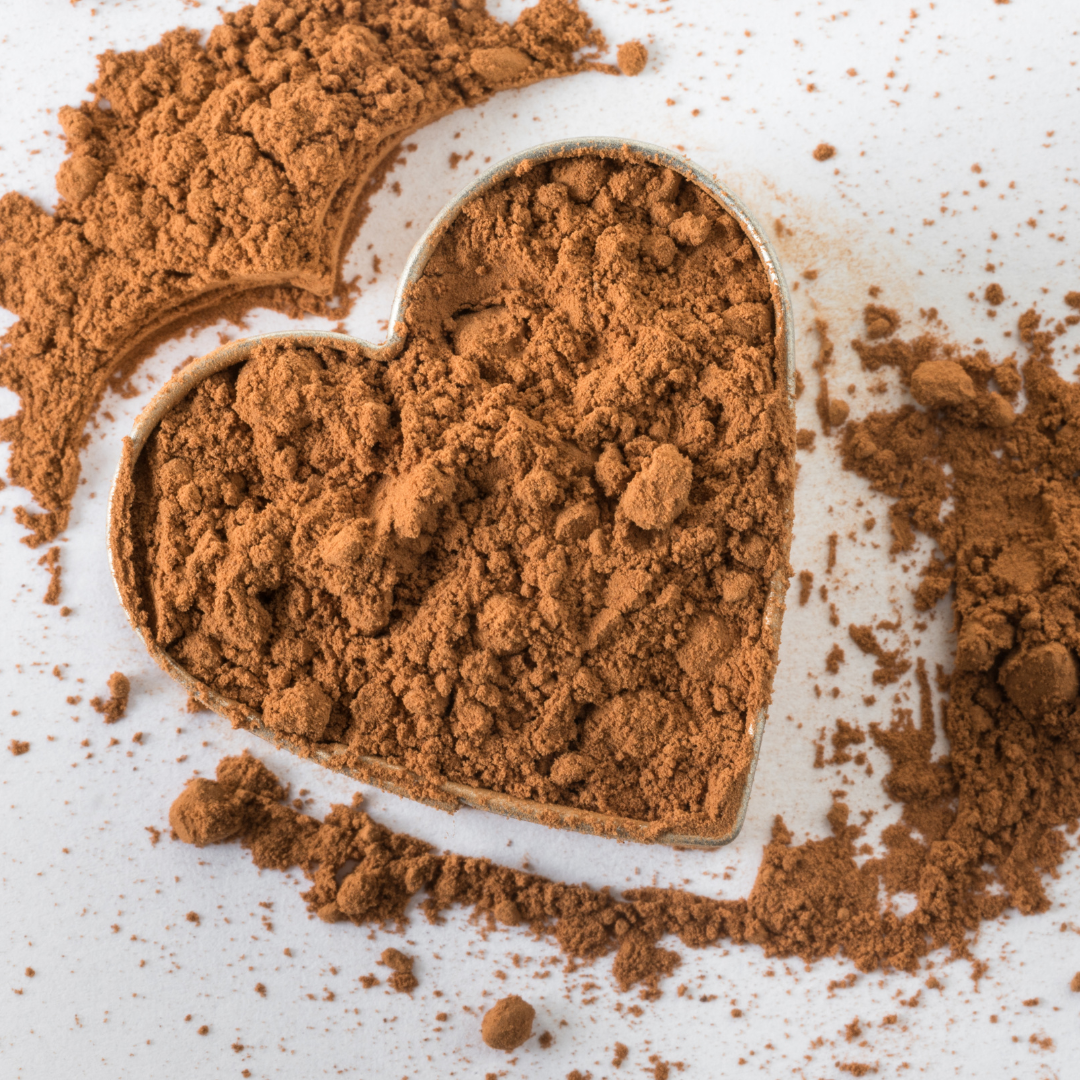

Cocoa is one of the most famous and valuable food products in the world. For centuries, valued for its unique taste and rich nutritional properties, cocoa is widely used in the culinary of many cultures. However, in addition to its taste, cocoa can also boast of numerous health benefits.
Cocoa - health properties
Cocoa, often called "the food of the gods", is not only a component of delicious chocolate, but also a product with high nutritional value and numerous health properties. As a natural substance of plant origin, cocoa is rich in polyphenols that have strong antioxidant properties. Antioxidants are necessary for neutralizing free radicals that can damage cells and lead to numerous diseases such as cardiovascular diseases, cancer and even premature aging.Antioxidants and polyphenols
Polyphenols present in cocoa, such as flavonoids, are known for their beneficial effects on health. Studies show that regular consumption of products rich in flavonoids can reduce blood pressure, improve the function of blood vessels and reduce the risk of cardiovascular disease. Flavonoids contained in cocoa also support brain health, improving blood flow to the brain and cognitive functions.Diabetes and insulin resistance
Cocoa can also have a beneficial effect on people suffering from type 2 diabetes. Studies suggest that polyphenols can improve insulin sensitivity and regulate blood sugar levels. Regular consumption of cocoa can thus support glucose control, which prevents complications resulting from diabetes.Influence on the skin
Flavonoids in cocoa also help protect the skin against the harmful effects of UV rays. They act as natural sunscreen, protecting the skin against damage and premature aging caused by sunlight. In addition, the ingredients contained in cocoa support microcirculation, which improves its elasticity and appearance.How to eat cocoa?
Cocoa can be eaten in many different ways, making it easy to include them in your daily diet. The best choice is raw cocoa or dark chocolate with high cocoa content (minimum 70%). Avoid chocolates with a high addition of sugar and trans fats.Form and dosage
Cocoa can be consumed in the form of powder, which can be added to drinks, smoothies, porridge or yogurt. You can also use cocoa as a baking ingredient, which allows you to enjoy its beneficial properties in healthy desserts. The recommended daily intake of raw cocoa is about 1-2 tablespoons (15-30 grams).Dietary recommendations
It is recommended to consume cocoa in a natural, least processed form to maintain its full health properties. Avoid products that contain additional sugars, saturated fats and preservatives, because they can disturb the beneficial effect of cocoa on health.Recipes for healthy cocoa meals
Adding cocoa to the diet does not have to be difficult. Here are some recipes that will allow you to enjoy not only the taste, but also the health benefits of cocoa.Smoothie chocolate with avocado
Ingredients- 1 mature avocado
- 1 banana
- 2 tablespoons of raw cocoa
- 1 cup of vegetable milk (e.g. almond milk)
- 1 tablespoon of honey or maple syrup
- Ice cubes (optional)
Healthy chocolate oat bars
Ingredients- 2 cups of oatmeal
- 0.5 cups of nuts (e.g. almonds, walnuts)
- 2 tablespoons of raw cocoa
- 0.5 cups of peanut butter
- 0.5 cups of maple syrup
- 1 teaspoon of vanilla extract
Which cocoa should you choose?
Choosing the right cocoa is important for the full use of its health properties. The market offers a wide range of cocoa products that differ in taste, cocoa content and processing method.Types of cocoa
Raw cocoa - It is the least processed and contains the highest amount of active nutrients. Cocoa powder - Popular in the kitchen, available in both degreased and full -fat form. The degreased version has less calories, but full -fat contains more valuable fats. Dark chocolate - usually contains from 70% to 99% cocoa. The higher the percentage, the less sugar and more health properties.What to look for?
When choosing cocoa, it is worth paying attention to: Cocoa content - The higher, the better the product for health. No add -ons - Avoid products containing additional sugar, artificial aromas or preservatives. Certificates - Organic products with Fair Trade certificate can be a guarantee of better quality.Does cocoa stimulate?
Cocoa is a natural source of caffeine and theobromine, two substances known for their stimulating action. Caffeine, a well -known stimulant, works quickly and briefly by blocking adenosine receptors in the brain, which reduces the feeling of fatigue and improves vigilance. On the other hand, Teobromina, although it works less intensively, has a longer lasting effect. Theobromine affects the heart and circulatory system, causing the expansion of blood vessels and improving blood flow, which can lead to a feeling of higher energy levels. Cocoa consumption can therefore lead to a milder but more durable effect of stimulation compared to other caffeine drinks, such as coffee. The stimulant effect depends on the individual sensitivity of the body and the amount of cocoa consumed. Moderate consumption of cocoa can support concentration, reduce fatigue and improve mood, without causing a feeling of "nervous" overpuration, which sometimes accompanies the consumption of a large amount of coffee. In addition, cocoa contains anandamide and phenyletylamine, substances that can also improve well -being and general mental condition. Anandamide is often called "bliss molecule" because of its action similar to endocannabinoids produced by our body. Phenyletlamine, on the other hand, acts as a natural antidepressant, increasing the level of endorphins. It is also worth adding that cocoa contains antioxidants, magnesium and other minerals that can support heart health and the overall condition of the body. Regular, moderate consumption of cocoa can therefore be a beneficial element of the diet, affecting both energy levels and general mood.Cocoa - vitamins. What does cocoa help?
Cocoa is rich in not only antioxidants, but also in various vitamins and minerals that have a positive effect on health.Vitamins contained in cocoa
Vitamin E - A strong antioxidant that helps to protect cells against damage. Vitamin B1 (thiamine) - important for the proper functioning of the nervous system and energy metabolism. Vitamin B2 (Ryboflawina) - responsible for skin and eye health and the proper functioning of the nervous system. Folic acid - Important for hematomotal and proper cell division.Minerals in cocoa
Cocoa is also a source of several important minerals: Magnesium - supports the functioning of the nervous and muscular systems. Iron - important in preventing anemia and supporting oxygen transport in the body. Zinc - important for the immune system and skin health.Health benefits
Regular consumption of cocoa can bring many health benefits, such as improving cardiovascular function, supporting brain and cognitive health, reducing the risk of developing neurodegenerative diseases, and supporting the control of glycemic and insulin sensitivity.Cocoa and chronic diseases
Cocoa can also play a role in prevention and management of various chronic diseases.Cardiovascular diseases
Cocoa, thanks to its antioxidant and anti -inflammatory properties, can support heart and blood vessels. Regular consumption of cocoa can reduce blood pressure, improve arterial elasticity and reduce the risk of atherosclerosis.Diabetes
Polyphenols contained in cocoa can support blood sugar management, which is important for people with type 2 diabetes. Lower insulin resistance indicators and better glucose control are benefits that can flow from cocoa eating.Obesity
Cocoa can also support body weight control. Flavonoids can affect lipid metabolism and support healthy energy metabolism.Cocoa - contraindications
Despite many health benefits, cocoa may also have some contraindications. People with hypersensitivity to caffeine should consume cocoa in moderation, because it can lead to undesirable effects such as nervousness, insomnia or accelerated heartbeat. Cocoa may also interact with some drugs, which is why people taking medications for hypertension, depression or other diseases should consult a doctor before introducing cocoa into their diet. The high content of theobromine in cocoa can be harmful to pets, so it is worth avoiding serving products containing cocoa to dogs or cats. In addition, people with liver diseases, irritable bowel syndrome or other digestive problems should be careful because cocoa may intensify the symptoms of these diseases.Cocoa and libido
Cocoa can also have a positive effect on libido. It contains substances such as phenyletylin, known as "chocolate amphetamine", can increase the level of endorphins and improve mood, which translates into an increase in sexual desire and general well -being. In addition, magnesium and other minerals present in cocoa can support the endocrine system, which can improve sexual function. Regular consumption of cocoa can therefore be a path for some people to a natural increase in libido and improving the quality of sex life.Summary
Cocoa, consumed in the right quantities, can be a valuable addition to a healthy diet. Its unique health properties, a wealth of vitamins and minerals and beneficial effects for mental and physical health make him one of the most valuable products of plant origin. When choosing cocoa products, it is worth focusing on those with high cocoa content, without additional sugars and preservatives, to enjoy the performance of health benefits.Footnotes
Scientific Advisory Committee on Nutrition. (2015). "Dietary reference values for magnesium". Government Office for Science. EFSA PANEL ON DIGHTIC PRODUCTS, NUTRITION AND ALLERGES (2017). "Scientific Opinion on the Safety of Caffeine". EFSA Journal. Buijsse, B., Festens, E. J. M., Kok, F. J., & Kromhout, D. (2006). Cocoa Intake, Blood Pressure, and Cardiovascular Mortality. Archives of internal medicine. Taubert, D., Roesen, R., Lehmann, C., Jung, N., & Schoemig, E. (2007). "Efists of low habitual cocoa intake on blood pressure and bioactive nitric oxide". Journal of the American Medical Association. Grassi, D., Desideri, G., & Ferri, C. (2010). "Cocoa, Flavanols, and Cardiovascular Risk". The Journal of Nutrition. Stote, K. S., & Baer, D. J. (2008). "Cocoa and Chocolate Influences on Cardiovascular Health". The Journal of Cardiovascular Pharmacology.
Dietician
Karolina Dobrowolska-Zrałka
doktor nauk medycznych i nauki o zdrowiu, dietetyk kliniczny Absolwentka studiów I i II stopnia na kierunku dietetyka oraz doktorantka w Szkole Doktorskiej Uniwersytetu Medycznego we Wrocławiu
Więcej artykułów autoraLooking for a nutritious and filling meal?
Discover Supersonic Smart Meal! A nutritious meal you can prepare in seconds!

150 reviews


