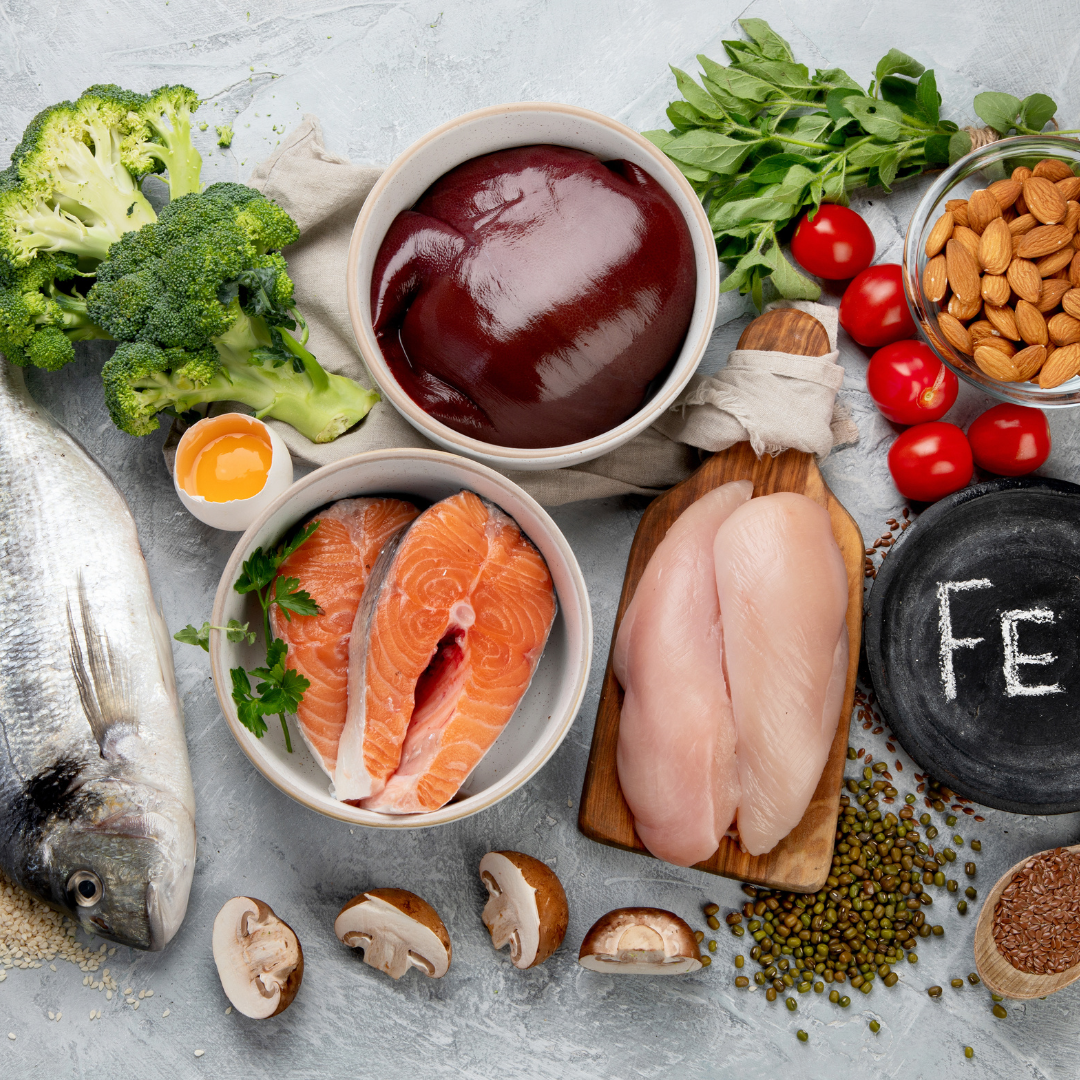

Iron is an element whose proper level is necessary for the proper functioning of the body. Its deficiency can lead to a number of health problems, including anemia. When should we consider iron supplementation and who is most exposed to its deficiency?
Situations requiring iron supplementation
Iron is an important microelement necessary for the proper functioning of the body. Its deficiencies can lead to serious health problems such as anemia (anemia). Iron supplementation is recommended in several clinical and physiological situations that increase the risk of deficiencies of this element. Here are the most important of them:Pregnancy and lactation
During pregnancy and breastfeeding, the need for iron increases significantly. Delivering the right amount of iron is crucial for the mother's health and the proper development of the fetus. It is estimated that pregnant women need about 27 mg of iron a day, which is difficult to achieve only through diet.Periods of intensive growth
Children and adolescents in rapid growth phases are also exposed to iron deficiencies, because their organisms intensively use the available resources of this element.Menstrual bleeding
Women with abundant periods often require iron supplementation to take care of the resources of this element in the body. Heavy bleeding can lead to chronic iron loss and, as a consequence, anemia.Vegan and vegetarian diets
People on a vegan or vegetarian diet may be more vulnerable to iron deficiencies, because iron present in plants (non -ham form) is less absorbed in comparison to heme iron from animal products.Athletes and physically active people
Intensive physical effort increases the need for iron. Athletes, especially those practicing strength disciplines, may require additional supplementation.Chronic diseases
People suffering from chronic gastrointestinal diseases, such as celiac disease, Crohn's disease or ulcerative colitis, may have difficulties in the absorption of iron and require supplementation.Iron deficiency risk group
Iron deficiencies are not reserved only for the groups mentioned earlier. There are a number of other risk factors that may increase the likelihood of deficiency:Bad eating habits
A diet low in iron -rich products, such as red meat, offal, green deciduous vegetables and legume seeds, can lead to deficiencies of this element.Absorption diseases and disorders
Gastrointestinal diseases may hinder iron absorption. People after bariatric operations or with a bad absorption syndrome must be particularly alert.Infections and inflammation
Chronic inflammation, infections and some autoimmune diseases can affect the metabolism of iron in the body, leading to its deficiencies.The role of iron in the body
Iron plays a role in many biological processes, and its proper level is necessary for health.Basic iron functions
Oxygen transport
Iron is a component of hemoglobin, a protein found in red blood cells, which is responsible for transporting oxygen from the lungs to all body tissues and removing carbon dioxide from tissues to the lungs.Metabolic changes
Iron is a key element of many enzymes involved in metabolic processes, including energy production in cells. He participates in the Krebs cycle and in the respiratory chain.DNA synthesis
Iron is necessary for DNA synthesis and cell replication. These processes are crucial for tissue growth, development and regeneration.Immune system
Iron plays an important role in the functioning of the immune system. It helps in creating and activating T lymphocytes and other immune cells.Improvement of iron deficiency on health
Iron deficiency can lead to serious health consequences that can significantly affect the quality of life. The most famous effect is anemia, manifested by a reduced amount of red blood cells and reduced levels of hemoglobin in the blood. Anemia symptoms include fatigue, weakness, pallor of the skin and mucous membranes and dizziness. In addition, iron deficiency leads to a reduction in energy production in cells, which results in chronic fatigue, weakness and lack of strength. Iron is also necessary for the proper functioning of the brain, and its deficiencies can lead to problems with concentration, memory and weakening of cognitive abilities. Iron deficiency also weakens the immune system, which may increase susceptibility to infections and cause a more difficult disease. In addition, hair problems (falling out, brittleness) and nails (breaking, fragility) are common symptoms of deficiency of this important element.Symptoms of iron deficiency in the body
Iron deficiency in the body can lead to a variety of symptoms that will gradually intensify as the deficit of this element is deepened. The most common symptoms include chronic fatigue, weakness and pallor of the skin. People with iron deficiency may also experience headache, dizziness and concentration problems. Other symptoms are nail fragility, hair loss and cold feeling, especially in the hands and feet. If these symptoms are observed, it is worth consulting a doctor and consider iron supplementation or diet modification.The most important rules of iron supplementation
To effectively supplement iron deficiencies, it is important to follow a few key rules for its supplementation. Iron supplements are best taken on an empty stomach, which increases their absorption. It is recommended to take them about 1-2 hours before meals. In addition, it is worth avoiding some drinks, such as coffee and tea, because they contain tannins that can reduce iron absorption. Dairy products and calcium supplements can also affect the absorption of iron, therefore they should be taken at other times of the day. Vitamin C strengthens the absorption of non -ham iron, so it's worth taking iron supplements with orange juice or other drink rich in this vitamin. When it comes to dosage, iron supplements should be taken according to the doctor's recommendations, because the recommended daily doses may vary depending on individual needs and the level of deficiency.Iron interactions with other diet components
It is important to be aware of the potential interaction of iron supplements with other diet components, which can affect their bioavailability and efficiency:- Calcium -rich products: Milk, cheese and other dairy products can inhibit iron absorption.
- Fithous compounds: Current in whole grains, nut and seeds can also affect iron absorption.
- Polyphenols: Located in tea, coffee and some vegetables, they can reduce iron's bioavailability.
Iron - what to look for when buying a supplement?
Choosing the right iron supplement can be important for the effectiveness of its operation.Iron form
Iron occurs in supplements in various chemical forms, such as iron sulfate, iron gluconate or iron chelate. Chelated form is often better absorbed and less irritating to the digestive tract.Elementary iron content
The amount of elementary (active) iron varies depending on the chemical form of the supplement. It is important to check the exact iron content on the label.Accessories in supplements
Some supplements may contain additional ingredients, such as vitamin C, which improves absorption or probiotics that can support the health of the digestive tract.Quality certificates
Choose supplements that have quality certificates and are produced by reputable manufacturers. This gives more confidence in their effectiveness and safety.Reading labels and accessories in supplements
Reading supplements labels is crucial to know exactly what you are buying. Make sure that the selected supplement contains the right form of iron and there are no unnecessary additives that can affect its absorption. An important aspect is also to follow the recommendations for dosage and how to take the supplement. To get maximum benefits, take a supplement according to the instructions. You also cannot forget about checking the expiry date of the supplement to make sure it is fresh and will be effective throughout the entire period of use.Alternative iron sources
In addition to supplementation, it is also important to provide iron through a diet. Here are some of the best iron sources:Meat and offal
Red meat: Beef, lamb and pork are rich in heme iron, which is more easily absorbed by the body. Offal: The liver and other offal are particularly rich in iron.Poultry and fish:
Poultry: Chicken and turkey also contain iron, although in smaller quantities than red meat. Fish: Fatty fish, such as sardines and tuna, are a good source of heme iron.Legumes:
Lentils, beans, chickpeas: These protein -rich plants are also a great source of non -ham iron.Cereals and seeds:
Quinoa, amaranth, chia seeds: Whole grains and seeds contain significant amounts of iron.Deciduous vegetables:
Spinach, kale, boćwina: Green deciduous vegetables are also rich in iron.How can a diet supplement supplementation?
Including iron into a diet can support supplementation and help maintain the right level of this element. Combining various sources of iron can ensure better absorption; For example, eating red meat together with vegetables rich in vitamin C. You should also limit the consumption of products that can inhibit iron absorption, such as coffee, tea and calcium rich products, especially during meals rich in iron. Conscious meal planning, which contain both heme and non -hamem iron, and supporting ingredients such as vitamin C, is crucial for effective supplementation.Bibliography
Zimmermann, M. B., & Hurrell, R. F. (2007). Nutritional iron defictentcy. The Lancet, 370 (9586), 511-520. Beard, J. L., & Dawson, H. (1997). Iron. In: Handbook of nutritionally essential minerals. New York, NY: Marcel Dekker, Inc. Milman, N. (2011). Anemia-still and Major Health Problem in Many Parts of the World!. Annals of Hematology, 90 (4), 369-377. World Health Organization. (2001). Iron Deficiency Anaemia: Assessment, Prevention, and Control. A Guide for Program Managers. Geneva: World Health Organization.
Dietician
Karolina Dobrowolska-Zrałka
doktor nauk medycznych i nauki o zdrowiu, dietetyk kliniczny Absolwentka studiów I i II stopnia na kierunku dietetyka oraz doktorantka w Szkole Doktorskiej Uniwersytetu Medycznego we Wrocławiu
Więcej artykułów autoraLooking for a nutritious and filling meal?
Discover Supersonic Smart Meal! A nutritious meal you can prepare in seconds!

150 reviews


