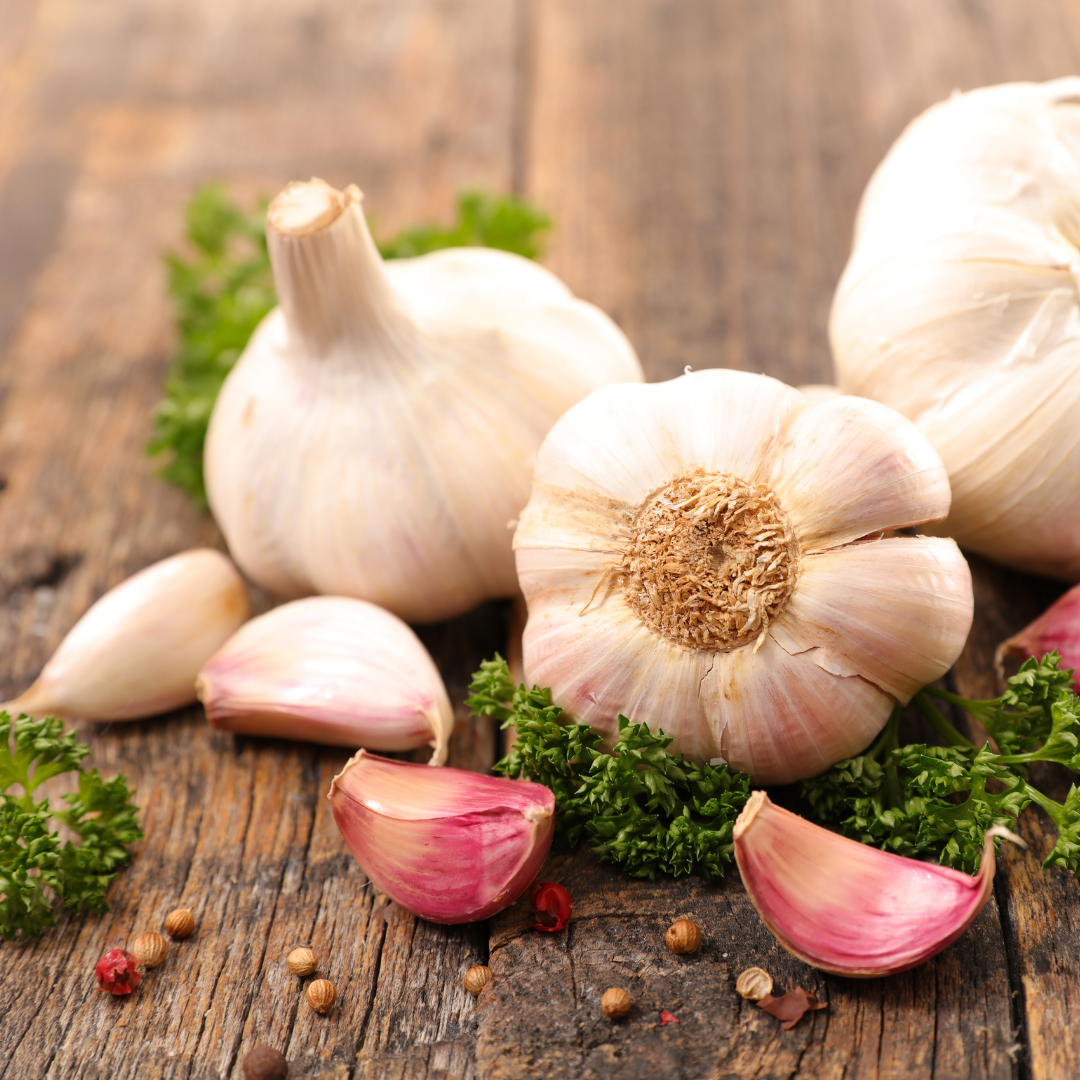

Garlic, known for centuries as a spice with a distinct taste, also has a long history of use in natural medicine. Its numerous health properties and therapeutic potential make it the subject of numerous scientific research.
Garlic - a wealth of health properties and its effect on the body
Garlic (Allium sativum) is one of the oldest plants used in natural medicine and culinary. Its unique health properties result from the content of sulfur compounds, such as allicin, which arises during crushing or cutting fresh garlic. Allicin and other sulfur compounds, such as Diallil Disulfid or Ajoen, are responsible for numerous health benefits of garlic. They have anti -inflammatory, antibacterial and antioxidant properties, which contributes to the improvement of overall health. Garlic has an antibacterial effect, making it effective in combating various types of bacteria, including those resistant to antibiotics. It also has antiviral and antifungal properties, which makes it valued in the treatment of viral and fungal infections. What's more, garlic is an effective agent supporting heart and cardiovascular health, helping to reduce blood pressure and cholesterol.Garlic - what can it help? Application and potential health benefits
Garlic is known for its numerous health applications. Regular consumption of garlic can bring benefits in many health areas. Here are some of the most important:- Lowering blood pressure - Studies have shown that garlic can help reduce blood pressure, which is beneficial for people with hypertension.
- Improvement of cholesterol levels - Garlic can help reduce LDL cholesterol (bad cholesterol) and increase HDL (good cholesterol), which affects heart health.
- Support in the treatment of infection - Thanks to its antibacterial and antiviral properties, garlic is an effective agent supporting the treatment of colds, flu and other infections.
- Cancer prevention - Some studies suggest that garlic may have anti -cancer effects, helping to prevent various types of cancer.
Garlic - nutritional value and importance for the daily diet
Garlic is not only a tasty spice, but also a valuable source of various nutrients. Here are the key nutritional value of garlic: Vitamin C: Garlic is rich in vitamin C, which is a strong antioxidant and supports the immune system. Vitamin B6: Helps in the metabolism of proteins and fats and supports the functions of the nervous system. Manganese: Is an important mineral supporting enzyme functions and bone health. Selenium: Acts as an antioxidant, supporting cell protection against damage. Adding garlic to a daily diet can contribute to improving health and prevent many diseases. Its nutritional properties make it a valuable component of a healthy menu.Garlic for intestines - how can it support the health of the intestinal and digestive system?
Garlic also has a positive effect on intestinal health. Thanks to the content of fructo-oilosaccharides, it acts as a prebiotic, supporting the increase in favorable intestinal bacteria. Thus, it improves the health of the intestinal microflora and supports the proper functioning of the digestive system. Regular consumption of garlic can also help prevent ailments such as flatulence, gases and indigestion. In addition, garlic has antiviral and antibacterial, which can help protect the intestines against infections.Is garlic healthy?
Garlic is an extremely valuable addition to the diet, offering numerous health benefits. Its antibacterial, antiviral and anti -inflammatory effects make it an effective support for heart health, immune system and digestive system. Regular consumption of garlic can contribute to improving the overall health and prevention of many diseases. However, it should be remembered that, as with any dietary supplement, the key to health benefits is moderate and regular use of garlic.Sources:
Khan, M. S., et al. (2014). "Garlic (Allium Sativum) and ITS Potential Therapeutic Effects: A review of the literature." Journal of Medicinal Food. Ried, K., et al. (2016). "Garlic Reduces Blood Pressure in Hypertensive Patients." Journal of Clinical Hypertension. Liu, L., et al. (2015). "Effects of Garlic on Serum Cholesterol Levels: A meta-analysis." American Journal of Clinical Nutrition.
Dietician
Karolina Dobrowolska-Zrałka
doktor nauk medycznych i nauki o zdrowiu, dietetyk kliniczny Absolwentka studiów I i II stopnia na kierunku dietetyka oraz doktorantka w Szkole Doktorskiej Uniwersytetu Medycznego we Wrocławiu
Więcej artykułów autoraLooking for a nutritious and filling meal?
Discover Supersonic Smart Meal! A nutritious meal you can prepare in seconds!

150 reviews


