
Nowadays, when our environment and lifestyle generate more and more free radicals, the role of antioxidants is becoming invaluable. Antioxidants help protect our body against oxidative stress, which is associated with many chronic diseases. Understanding what antioxidants are and what benefits they bring can be important to health and longevity.
What are antioxidants?
Antioxidants, also known as antioxidants, are substances that neutralize free radicals in the body. Free radicals are molecules with one or more unpaired electrons, which makes them highly reactive and capable of damaged cells. Free radicals can arise under the influence of many factors, such as UV radiation, environmental pollution, tobacco smoke, and even metabolic processes occurring in the body. Classic antioxidants are vitamins C and E, carotenoids and polyphenols.The importance of antioxidants in the diet
Antioxidants play an important role in protecting our body against oxidative stress. Oxidative stress is a state in which the amount of free radicals exceeds the body's ability to neutralize them, which leads to damage to cells, proteins and DNA. A diet rich in antioxidants can increase the body's ability to neutralize free radicals, which in consequence can reduce the risk of many chronic diseases, such as cancer, Alzheimer's disease, Parkinson's disease, as well as cardiovascular disease.What is the action of antioxidants on the body?
Antioxidants have a number of favorable actions on our body:- DNA protection - Antioxidants protect DNA against oxidative damage that can lead to mutation and developing cancer.
- Reduction of inflammation - Many antioxidants have anti -inflammatory properties, which contributes to the reduction of inflammation in the body.
- Improving the function of the immune system - Antioxidants such as vitamin C support the immune system in the fight against infections.
- Skin protection - Antioxidants help protect the skin against the harmful effects of UV radiation, which can delay skin aging.
Sources of antioxidants - products rich in antioxidants
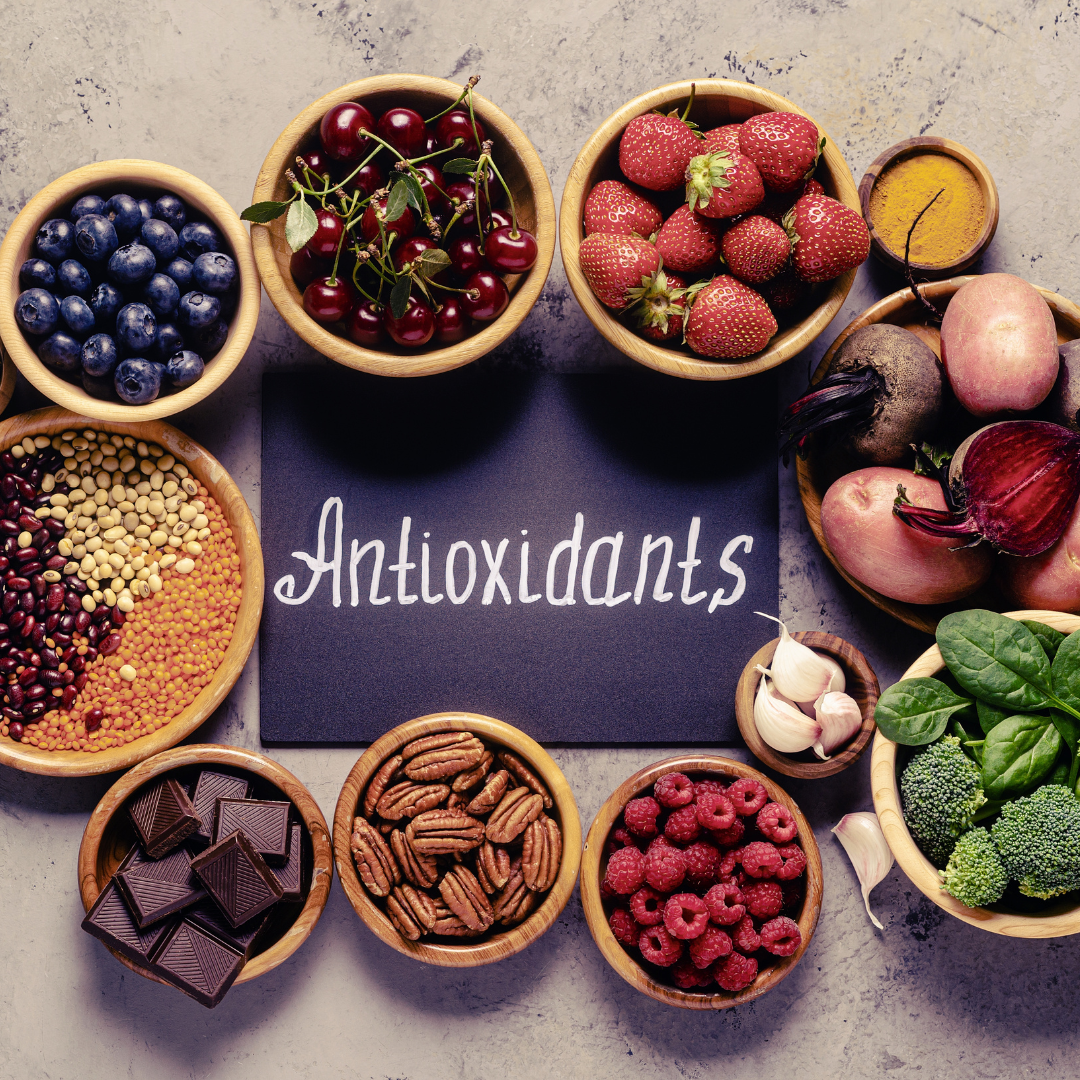
Antioxidants can be found in many different food products. Below is a list of the richest sources of antioxidants:1.
- Berries (blueberries, raspberries, strawberries)
- Citrus (oranges, lemons)
- Grapes, especially red
2. The war:
- Spinach
- Broccoli
- Tomatoes
3. Obsessions and seeds:
- Walnuts
- Almonds
- Chia seeds
4. Plants and herbs:
- Turmeric
- Ginger
- Cinnamon
5. INFORM:
- Dark chocolate
- Green tea
Antioxidants and prevention of chronic diseases
Antioxidants play an important role in the prevention of many chronic diseases. Studies show that a diet rich in antioxidants can reduce the risk of developing cardiovascular, cancer and neurodegenerative diseases. For example, polyphenols found in green tea have the ability to inhibit the development of cancer cells and reduce inflammation. Similarly, flavonoids present in citrus fruits can support heart health by improving the function of blood vessels and lowering cholesterol.Antioxidants in dietary supplements
Dietary supplements containing antioxidants are becoming more and more popular among people who want to support their health and prevent diseases. Many supplements are based on natural ingredients such as vitamin C, vitamin E and various plant extracts. Before choosing the right supplement, however, it is worth seeking the advice of a specialist to choose a preparation best suited to individual body needs.Summary
Antioxidants are extremely important for our health, protecting the body against the harmful effects of free radicals. The introduction of products rich in antioxidants into a diet can significantly improve health and reduce the risk of many chronic diseases.Sources
Alliwell, B., & Gutteridge, J. M. C. (2015). Free Radicals in Biology and Medicine. Oxford University Press. Rice-Evans, C. A., & Miller, N. J. (1995). Antioxidant activeies of flavonids as bioactive components of food. BIOCHEMICAL SOCIETY TRANSACTIONS, 23 (2), 341-346. Ames, B. N. (1983). Dietary Carcinogens and Anticarcinogens: Oxygen Radicals and Degenerative Diseases. Science, 221 (4617), 1256-1264.
Dietician
Karolina Dobrowolska-Zrałka
doktor nauk medycznych i nauki o zdrowiu, dietetyk kliniczny Absolwentka studiów I i II stopnia na kierunku dietetyka oraz doktorantka w Szkole Doktorskiej Uniwersytetu Medycznego we Wrocławiu
Więcej artykułów autoraLooking for a nutritious and filling meal?
Discover Supersonic Smart Meal! A nutritious meal you can prepare in seconds!

150 reviews


