

Dietician
doctor of medical sciences and health sciences, clinical dietitian A graduate of first and second cycle studies in dietetics and a doctoral student at the Doctoral School Medical University of Wrocław
A high-protein menu for a family is based on simple mathematics: an active adult needs 1.2-1.6 g of protein per kg of body weight, an inactive adult needs 0.8-1.0 g/kg, and children and teenagers need closer to the lower limit of this range, i.e. 0.85-1.0 g/kg. The most often overlooked cost is not the kilograms of meat or cottage cheese, but time - cooking separate portions for each household member with different needs can make even a well-planned week miserable.
- A high-protein family menu requires different doses of protein: 1.2-1.6 g/kg for active adults, 0.85-1.0 g/kg for children and teenagers.
- Spreading protein over 4-5 meals a day works better than one large serving in the evening.
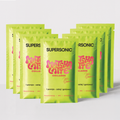
- SUPERSONIC ready meals and protein porridges shorten preparation time without sacrificing protein quality.
- Vegetarian and vegan variants of the family require combining plant sources to complete the amino acid profile.
Why it matters
A family is not one organism with one need - an adult training at the gym needs a completely different dose of protein than an eight-year-old or a grandmother over 60. Planning one high-protein menu for everyone without taking these differences into account ends either with overfeeding children with protein or with a deficiency in the active parent.
Before you get into the details of meals, it is worth checking: how to balance your diet with ready-made high-protein meals – this is a starting point for creating a plan that can be maintained for more than a week in 2026.
How to compose a high-protein menu for a family step by step
The basic table shows how much protein each household member actually needs and where to get it without cooking four different dinners.
| Homebody | Recommended protein | A practical source |
|---|---|---|
| Active adult (training 3x/week) | 1.2-1.6 g/kg | protein supplement, ready-made meals |
| Adult not very active | 0.8-1.0 g/kg | eggs, dairy products, ready meals |
| Teenager 13-18 years old | approx. 0.85-1.0 g/kg | protein porridge, shake |
| School child 4-13 years old | approx. 0.9-1.0 g/kg | natural sources and small additives |
In practice, planning a menu looks like this:
- Calculate the approximate protein needs of each household member based on body weight and activity.
- Plan a breakfast that will provide 20-30 g of protein without cooking - instant protein oatmeal with collagen works well for adults and older teenagers.
- Spread the rest of the day into 3-4 consecutive meals so that no one has to eat their entire daily dose for dinner.
- Reserve one ready-made meal a week for days when you don't have time to cook for the whole family.
- Check labels - the difference between 8 g and 20 g of protein per serving can be hidden in the fine print.
Active adults: 1.2-1.6 g of protein per kg of body weight
An adult who trains regularly needs more protein than the rest of the family, and the easiest way to get this amount without additional cooking is Whey 360 Grass Fed protein supplement dissolved in milk or water. It's one shake, not another pot to wash up. Verdict: Works for adults with the goal of building or maintaining muscle mass.
Children and teenagers: 0.85-1.0 g of protein per kg of body weight
Children do not need protein supplements in the same doses as adults - their needs are mostly met by natural products: eggs, dairy products, fish, legumes. Protein porridge or a shake can complement the diet of a sports-active teenager, but should not replace nutritious meals in younger children.
Meal distribution: 4-5 portions of protein per day
One large portion of meat for dinner does not work as well as spreading protein over 4-5 meals - the body better uses smaller, regular doses than one load in the evening. For the family, this means breakfast, second breakfast or snack, lunch, afternoon snack and dinner with protein in each.
Why protein needs vary in families
- Age – children and seniors have a different requirement per kilogram of body weight than active adults.
- Level of physical activity – strength or endurance training clearly increases the demand for a person who is not very active.
- Dietary goal – building muscle mass requires a higher protein supply than just maintaining weight.
- Body weight – the higher the body weight, the higher the daily dose in grams, even at the same g/kg.
- Nutrition model – a vegetarian or vegan diet in the family requires combining several plant sources to complete the full amino acid profile.
- Growth rate – growing children and teenagers have variable needs depending on the stage of development.
See SUPERSONIC high-protein products
Ready-made meals, porridges and protein supplements for the whole family.
How much protein does a family of 4 need daily?
A family of 4 (two adults, two school children) needs the sum of individual needs, not one common number - an active adult with a body weight of 75 kg provides up to 90-120 g of protein per day, an inactive adult with the same weight provides 60-75 g, and a child weighing 30 kg provides approximately 27-30 g. Adding these values shows that one recipe for everyone rarely meets the real needs of every household member.
Can children drink protein supplements?
Children may consume protein supplements occasionally, but their needs of 0.9-1.0 g/kg are mostly met by natural food products, not supplements. A teenager practicing sports is a different situation - a protein shake can be a practical supplement if meals do not provide enough protein.
Are ready-made high-protein meals suitable for the whole family?
Ready-made high-protein meals, such as Smart Meal, are suitable mainly for adults in the household on days without time to cook, and not as a permanent replacement for home-made dinners for children. Verdict: a good emergency solution for active adults, a supplement - not the basis - of a child's menu.
For families looking for a ready-made solution for intense days ready-made Smart Meals they provide a specific portion of protein without cooking from scratch. More ways to increase your protein intake without counting every calorie can be found in the guide how to increase the amount of protein in your diet without counting calories.
FAQ
How much protein does an adult need per day in a high-protein family menu?
An active adult needs 1.2-1.6 g of protein per kg of body weight per day, and an inactive adult needs 0.8-1.0 g/kg. The difference is due to your training level and dietary goal.
Is protein oatmeal suitable for breakfast for the whole family?
Instant protein oatmeal with collagen works mainly for adults and older teenagers as a quick breakfast with a portion of protein. For younger children, natural sources of protein in smaller portions are a better option.
How to balance a high-protein menu for vegetarians in your family?
A vegetarian diet in the family requires combining several plant sources: legumes, dairy products, eggs and plant nutrients to complete the full amino acid profile. One source of plant protein is rarely enough for the entire day.
Will ready-made high-protein meals replace homemade dinners for children?
Ready-made high-protein meals should not permanently replace home-cooked meals for children, because the demand of 0.9-1.0 g/kg is better covered by natural products. They work well as a supplement on days without time to cook.
How many meals a day should a family on a high-protein diet have?
4-5 meals a day spreads the protein supply evenly and works better than one large serving in the evening. Every meal should contain some source of protein, even in small amounts.
Is creatine suitable for teenagers training as a family?
Creatine is a supplement intended mainly for adult athletes, and its use in teenagers requires consultation with a doctor or dietitian. A high-protein menu itself does not require creatine to work.
How to read labels of high-protein products bought for the family?
Check the protein weight per serving, not per 100 g of the product, because the difference between 8 g and 20 g of protein per serving determines the balance of the entire day. Also pay attention to added sugar in products aimed at children.
One final thing
The biggest mistake when creating a high-protein menu for a family is not too little protein, but treating all household members with one standard - an active adult and an eight-year-old do not need the same portion, even though they eat at the same table. Dividing the demand per person, not per recipe, is the only way to make the menu work for everyone in 2026, not just for one person in the house. SUPERSONIC makes the time-sensitive part of the plan easier: breakfast and an emergency dinner can be prepared in just a few minutes.
Related guides

Dietician
Karolina Dobrowolska-Zrałka
doctor of medical sciences and health sciences, clinical dietitian A graduate of first and second cycle studies in dietetics and a doctoral student at the Doctoral School Medical University of Wrocław
Więcej artykułów autora


