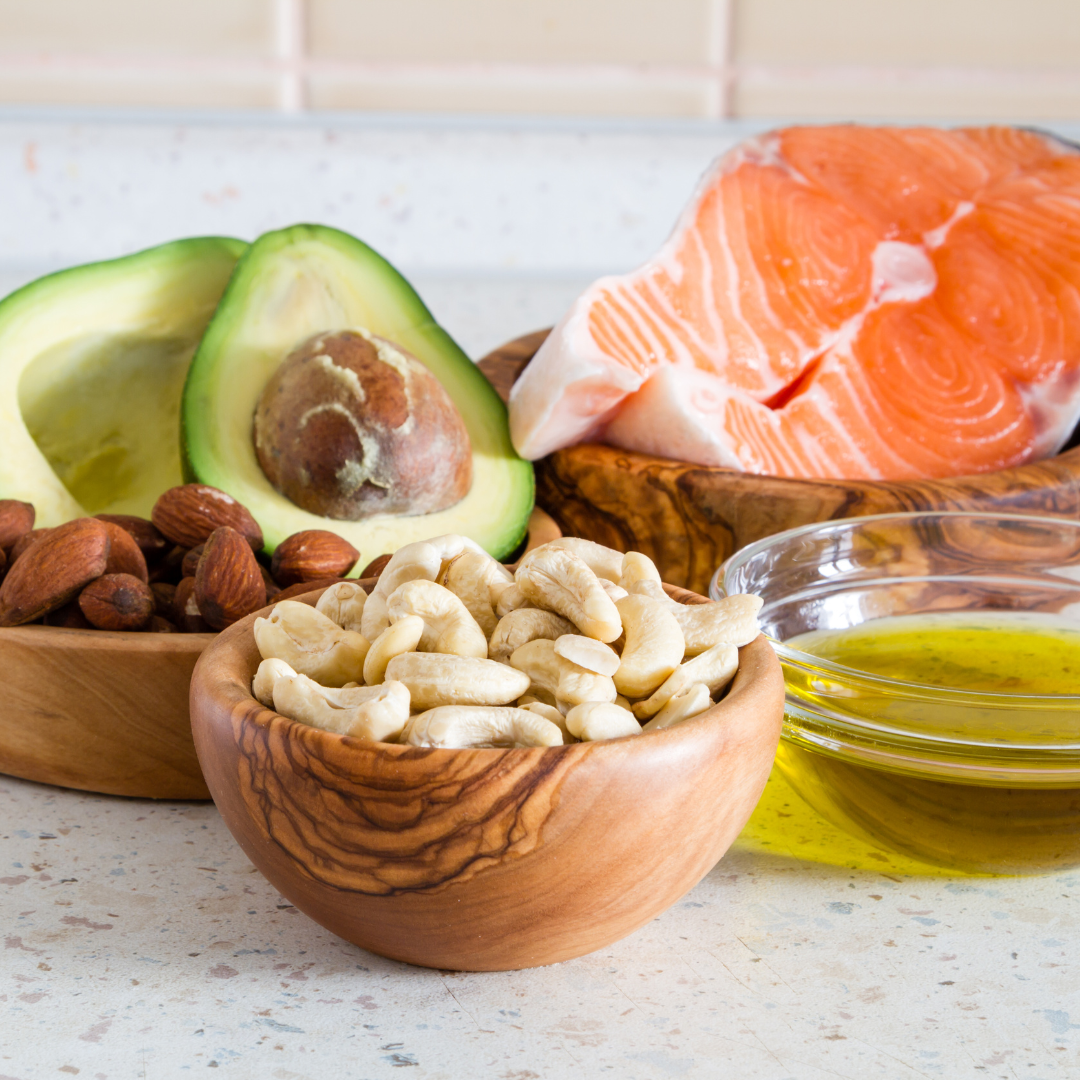

Modern research clearly indicates an important role of fats in the healthy functioning of the body. Although often demonized, appropriate fats are necessary for the proper functioning of the brain, the production of hormones and ensuring energy on a daily basis.
Fats in the diet - why are they so important?
Fats, also called lipids, are one of the basic groups of nutritional macronutrients, next to proteins and carbohydrates. They are necessary for the proper functioning of the human body, performing a number of functions. Due to their role in the diet, it is worth understanding why they are so important.1. Energy source
Fats are a concentrated source of energy, providing 9 kcal per gram, compared to 4 kcal per gram of proteins and carbohydrates. Energy from fats is important for many metabolic processes.2. Vitamin carrier
Lipids are necessary for absorbing and transporting fat -soluble vitamins such as vitamins A, D, E and K. Without the presence of fats in the diet, the body is not able to effectively absorb these vitamins, which can lead to their deficiency.3. Foolish cellular membranes
Fats, especially phospholipids and cholesterol, are an integral part of cell membranes. These membranes are necessary to maintain cell integrity and allow communication between them.4. Hormonal regulation
Fatty acids play a role in the production of hormones, including prostaglandin, which are involved in inflammatory processes, blood clotting and blood pressure regulation.5. Protection of the organs
Fat tissue surrounding internal organs, such as heart and kidneys, acts as a natural protective layer, absorbing and protecting them from mechanical damage.6. Thermal regulation
The subcutaneous fat helps to maintain a constant body temperature, protecting against heat loss in colder conditions.What are the fats of?
Fats consist of fatty acids, which can be divided into three main categories: saturated, monounsaturated and polyunsaturated. Each of them performs important functions in the body:- Saturated fatty acids - present mainly in products of animal origin, such as butter, lard and fatty meats. The excess of these fats can lead to an increase in blood cholesterol.
- Monounsaturated fatty acids - They are found in olive oil, avocado and rapeseed oil. They have a protective effect on the cardiovascular system.
- Polyunsaturated fatty acids -This is primarily Omega-3 and Omega-6, which should be supplied with food, because the body is not able to synthesize them. Omega-3, located, among others In fish, walnuts and linseed, they have anti -inflammatory effects and have a positive effect on heart health.
What happens when you have too little fat in your diet?
Fat deficiency in the diet can lead to a number of serious health consequences. This is often underestimated, especially in the context of dietary trends promoting low -fat diets. Here are the most important effects of fat deficiency in the diet:Deficiency of fat -soluble vitamins
A deficiency of fat -soluble vitamins such as vitamins A, D, E and K, can lead to serious health problems, because these vitamins require the presence of fat to effective absorption and transport in the body. Lack of enough fats can result in hypovitaminosis, which translates into various ailments. For example, vitamin A deficiency can cause vision problems, including vision at night and an increased risk of eye infections. Lack of vitamin D is the cause of bone weakness and can lead to osteoporosis. In addition, vitamin K plays an important role in the correct process of blood clotting, so its deficiency can lead to serious disorders in this area. Therefore, it is extremely important to provide the right amount of fats in the diet, which ensures the correct absorption of these necessary vitamins and helps maintain good health.Hormonal problems
Fatty acids are necessary for the production of hormones. Lack of fat in the diet can lead to hormonal disorders, manifested, among others, with problems with a menstrual cycle in women and libido disorders.Weight loss and muscle loss
Fats are a dense source of calories. Their deficiency can lead to underweight, and in extreme cases to the loss of muscle mass, which in turn affects the overall weakness and lack of energy.Skin problems
Lipids responsible for healthy skin. Fat deficiency can lead to dry skin, peeling and inflammation, which is the result of a lack of proper hydration and skin protective barrier.Neurological disorders
Fatty acids, in particular omega-3, are necessary for the proper functioning of the brain. Their deficiency can lead to problems with concentration, memory and increase the risk of depression and other mood disorders.Too much fat in the diet - what can happen?
Too much fat consumption can be as harmful as their deficiency. Excessive fat consumption, especially saturated and trans, leads to a number of health problems:Obesity
Excessive supply of calories derived from fats is conducive to gaining weight and developing obesity, which is one of the main risk factors for many chronic diseases, such as type 2 diabetes, hypertension and cardiovascular disease.Cholesterol increasing
A diet rich in saturated and trans fats can lead to an increase in the level of "bad" cholesterol (LDL) and a decrease in the level of "good" cholesterol (HDL), increasing the risk of atherosclerosis and heart disease.Fattening liver
Too much fat in the diet can lead to fatty liver, which in turn can lead to inflammation, and in extreme cases to liver cirrhosis.Digestive system disorders
Excessive fat consumption can lead to digestive problems such as diarrhea, indigestion, as well as an increased risk of cholelithiasis.A demand for fats of all ages
The demand for fats varies depending on age, sex, level of physical activity and individual health needs. Here's how the demand for fats looks in different age groups:Babies and children
In infancy and childhood, fats are important for proper growth and development. Infants should receive mother's milk, which provides the right amount of fats needed for the development of the brain and the nervous system. Older children should receive a diverse diet, rich in healthy fat sources, such as fish, avocado and plant oils.Adults
In adults, the recommended fat intake is about 20-35% of the total daily calorie supply. Including: Saturated fatty acids: They should constitute less than 10% of the daily calorie supply. Trans fatty acids: It should be reduced to minimal quantities.Older people
Metabolism changes with age, which often leads to reduced caloric demand. Despite this, fats are still important for maintaining cardiovascular health and supporting cognitive functions. Limiting saturated and trans fats and increasing the supply of polyunsaturated omega-3 fatty acids can be beneficial.Fat sources in the diet
Fat sources in the diet are important for maintaining health, so it's worth paying attention to their diversity and quality. A healthy diet should take into account unsaturated fats, while avoiding excessive amount of saturated fats and trans fats. Examples of healthy sources of monounsaturated fats are olive oil, avocados, nuts such as almonds and hazelnuts, as well as rapeseed oil. In the category of polyunsaturated fatty acids, it is worth reaching for fatty fish, such as salmon, mackerel and sardines, as well as chia seeds, linseed and walnuts. Saturated fats can be consumed in moderate amounts and can be found in products such as butter, cheese, fatty meats and coconut oil. It is important, however, to avoid trans fats that are present in fast food, chips and processed bakery products such as cookies and croissants. By choosing the right fat sources and by controlling their amount in the diet, you can improve the overall health and reduce the risk of chronic diseases.Summary
Fats play an important role in our body, and their proper quantity and quality are important to health. Both deficiency and excess fat in the diet can lead to serious health problems. That is why it is important to know your demand for fats and deliver them from the right sources.Footnotes:
Smith, J. R., & Brown, A. B. (2021). The role of dietary fats in human health. Journal of Nutrition and Metabolism. Jones, M., & Green, P. (2019). Impact of Fat Intake on Cardiovascular Health. Cardiology Review. Lee, S., & Park, Y. (2020). Essential Fatty Acids and Cognitive Function. Brain Health Journal. American Heart Association (2022). Dietary Recommendations: Fats and Oils.
Dietician
Karolina Dobrowolska-Zrałka
doktor nauk medycznych i nauki o zdrowiu, dietetyk kliniczny Absolwentka studiów I i II stopnia na kierunku dietetyka oraz doktorantka w Szkole Doktorskiej Uniwersytetu Medycznego we Wrocławiu
Więcej artykułów autoraLooking for a nutritious and filling meal?
Discover Supersonic Smart Meal! A nutritious meal you can prepare in seconds!

150 reviews


