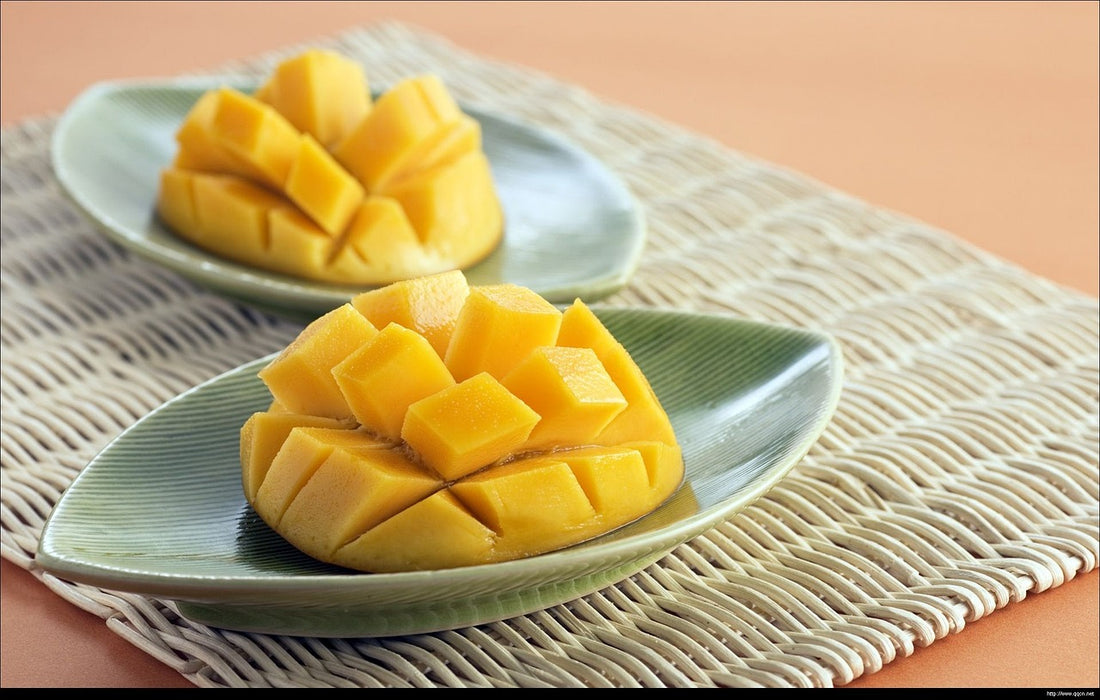

Mango is a fruit that is very popular around the world, not only because of its unique taste, but also because of the numerous health benefits. This exotic fruit is a rich source of vitamins, minerals and antioxidants that support the functioning of our body on many levels. Regular consumption of mango can contribute to improving heart health, support digestion, and also strengthen the immune system. Below we present detailed information on the mango health properties and why it is worth including them in your daily diet.
Mango - Discover the health properties of this delicious fruit
Mango, called "King of Fruit", is one of the most popular exotic fruits in the world. Valued not only for their unique taste, but also for the richness of nutrients that support the body of the body on many levels. Mango comes from South Asia, where it has been an integral part of natural cuisine and medicine for thousands of years. It is worth knowing that not only the mango pulp has health properties, but also its skin and pest, although they are most often omitted in your daily diet. Mango consumption provides the body with a number of vitamins, minerals and antioxidants that support the work of the immune system, improve digestion and have a positive effect on skin health. The ingredients contained in it also support the control of blood sugar levels and have a positive effect on the cardiovascular system. Mango is low -calorie, which is why it is an excellent addition to slimming and detoxification diets.Mango vitamins - Discover the richness of nutrients of this exotic fruit
Mango is a real treasury of vitamins and minerals that support the body at many levels. First of all, this fruit is a rich source of vitamin C, which strengthens the immune system, protects cells from free radicals and supports the production of collagen, important for skin and blood vessels. In one portion of Mango you can find up to 60% of the daily demand for this vitamin. Mango also contains significant amounts of vitamin A, responsible for the proper functioning of the eye, skin health and immune system. Regular consumption of mango can help prevent vision problems such as dust blindness. Vitamin A also affects the behavior of the young skin appearance, protecting it from premature aging. In addition to vitamins A and C, Mango also provides B vitamins, especially B6, which supports the functioning of the nervous system and affects the proper production of hormones. Mango is also a source of folic acid, necessary for the proper development of cells, which makes them a great addition to the diet of pregnant women.Is mango healthy? Benefits for the body and well -being
Mango has a lot of health benefits that speak for his regular consumption. First of all, this fruit supports digestion thanks to the content of fiber and digestive enzymes such as amylase. Fiber improves intestinal peristalsis, which promotes better body weight control and prevents constipation. In addition, the enzymes present in mango help to break down proteins, facilitating digestion of severe meals. Thanks to the high content of antioxidants, mango protects the body against oxidative stress, which is one of the main causes of cell aging and the development of many chronic diseases, such as heart disease or cancer. Mango contains strong antioxidants, such as beta-carotene and quercetin, which neutralize the effects of free radicals and support the health of the body. Mango consumption can also contribute to lowering cholesterol, thanks to the content of soluble fiber and antioxidants that help in regulating the level of lipids in the blood. This, in turn, reduces the risk of developing atherosclerosis and other cardiovascular diseases.Mango nutritional values: Discover the nutrients of this juicy fruit
Mango is a fruit with a relatively low calorie - one medium -sized mango portion provides about 60 calories, which makes it a great choice for people who care about the line. It also contains fiber, which not only supports digestion, but also provides a long -lasting feeling of satiety, which is important in the reduction diet. In terms of macronutrients, mango is a rich source of carbohydrates, especially simple sugars, such as fructose, which are easily absorbed by the body. However, despite the sugar content, the mango has a low glycemic index (about 51), which means that it does not cause a rapid increase in blood sugar levels after it. This is important information for people struggling with diabetes and caring for stable blood glucose levels. Mango also provides valuable minerals, such as potassium, which helps in regulating blood pressure, and magnesium, which supports bone and muscle health. The content of these elements makes Mango a great choice for physically active people, who need support in muscle regeneration after exercise.What vitamins are in the mango? Learn their impact on the health and functioning of the body
Mango is a real vitamin bomb, providing the body not only with vitamins A and C, but also vitamin E, which acts as a strong antioxidant, protecting cells against oxidative damage. Vitamin E is also important for skin health, improving its elasticity and helping in the fight against free radicals responsible for aging. Mango also has the aforementioned vitamin K, which plays an important role in blood coagulation processes and supports bone health. In addition, vitamin K helps to prevent osteoporosis and other diseases related to bone weakness. Regular consumption of mango can support immunity, improve digestion and contribute to maintaining a healthy skin appearance. The inclusion of this fruit in the daily diet provides the body with many valuable ingredients that support its proper functioning.Summary
Mango is a fruit with extraordinary health properties that provides the body with valuable vitamins, minerals and antioxidants. Thanks to the high content of vitamin C, it supports the immune system, and the fiber and digestive enzymes contained in it support digestive processes. Mango also has a low glycemic index, which makes it suitable for people who care about blood sugar. Regular consumption of this fruit can help maintain healthy skin, support muscle regeneration and reduce cholesterol, which helps to reduce the risk of cardiovascular disease. The richness of vitamins such as A, C, E and B vitamins, makes mango not only tasty, but also beneficial to health. Mango is a great addition to the diet of both physically active people and those who want to take care of their health every day.Sources
Singh, D. P., Beloy, J., Mcinerney, J. K., & Day, L. (2012). "Effect of Maturity and Processing on the Carotenoid Profile of Australian Mangoes (Kensington Pride)." Food Chemistry, 133 (4), 1385-1391. Ribeiro, S. M. R., & Schieber, A. (2010). "Bioactive Compounds in Mango (Mangifera Indica L.)." In Bioactive Foods in Promoting Health (pp. 507-523). Academic Press. Rajaram, S., & Connell, R. L. (2011). "Role of Mango polyphenols in preventing metabolic syndrome." Journal of Functional Foods, 3 (3), 167-174. Tharanathan, R. N., & Yashoda, H. M. (2012). "Mango (Mangifera Indica L.)". In post Sharology and Technology of Tropical and Subtro-Calus Fruits (pp. 64-85). Woodhead Publishing. Gonçalves, B., Silva, B. M., & Moutinho, P. (2007). "Vitamin and Mineral Composition of Mango (Mangifera Indica L.) as Affected by Ripening Stages." Food Chemistry, 103 (1), 92-98.
Dietician
Karolina Dobrowolska-Zrałka
doctor of medical sciences and health sciences, clinical dietitian A graduate of first and second cycle studies in dietetics and a doctoral student at the Doctoral School Medical University of Wrocław
Więcej artykułów autoraLooking for a nutritious and filling meal?
Discover Supersonic Smart Meal! A nutritious meal you can prepare in seconds!

5| 193 reviews


