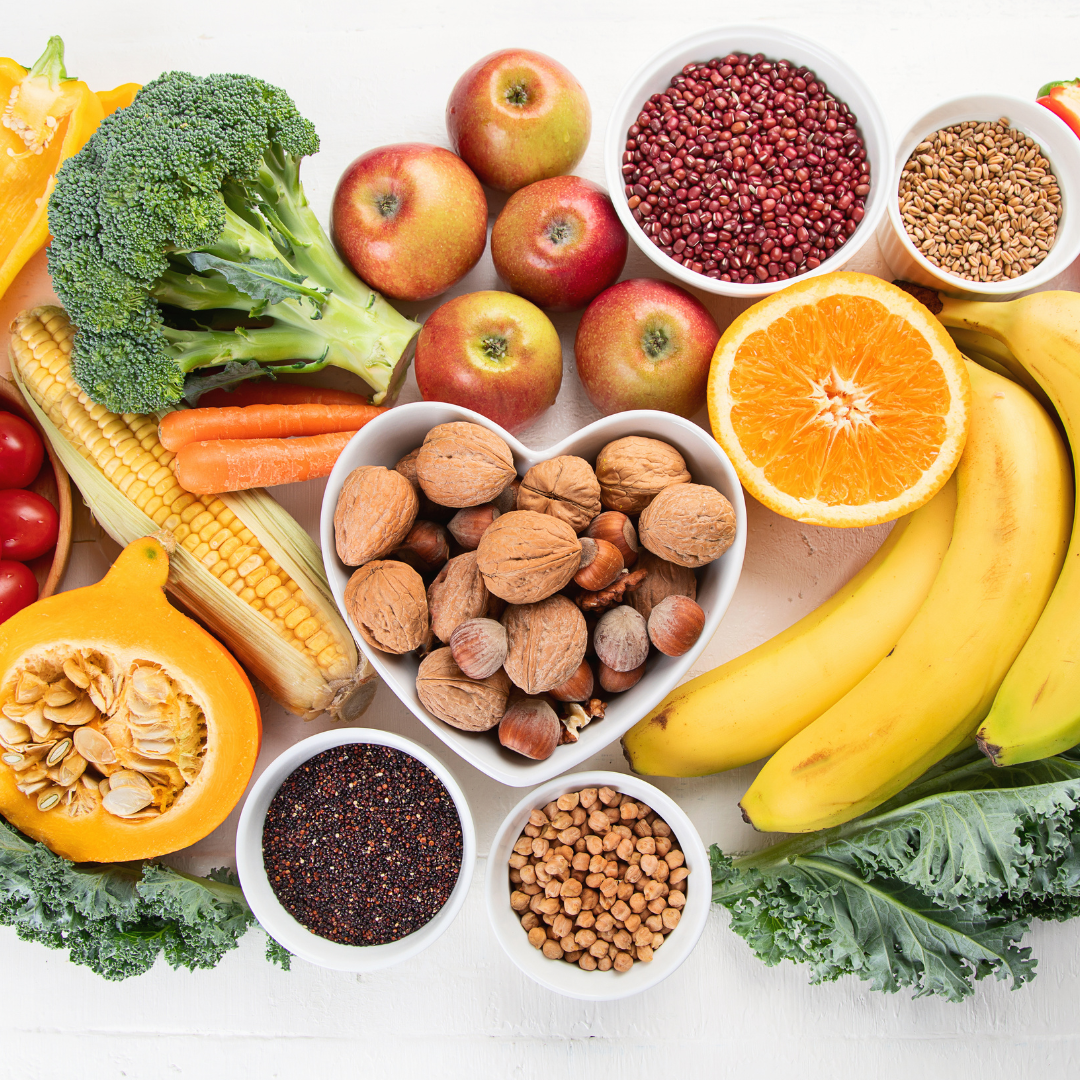

Eating fiber is important for maintaining the health of the digestive system. It helps in regulating digestive processes and prevents constipation. In addition, fiber can support the maintenance of normal sugar and cholesterol in the blood, which is beneficial to the heart.
What is fiber? The role of fiber in the diet
Dietary fiber, also known as food fiber, is a group of complex carbohydrates of plant origin, which are resistant to digestion and absorption in the thin intestine of man, and then go to the large intestine, where they remain partially or completely fermented by the local microflora. Fiber can be divided into soluble and insoluble in water, each of which has different functions and brings different health benefits.The role of fiber in the diet
Dietary fiber performs a number of functions in the body:Intestinal function regulation
Insoluble fiber, found in whole -grain bread, bran or unhealed cereals, increases the volume of stool and accelerates its passage through the intestines, which prevents constipation.Blood glucose stabilization
Soluble fiber, abundant, among others In fruit, vegetables and flax seeds, it creates a gel substance in the stomach that slows down the absorption of glucose, therefore helps in controlling blood sugar levels. This is especially important for people with type 2 diabetes.Depressing cholesterol
Soluble fiber binds bile acids in the intestines, which leads to a decrease in their reimbursement in the small intestine and increased excretion. The result is a reduction in blood cholesterol, which reduces the risk of cardiovascular disease.Health support of the intestinal microbiome
Fiber fermentation in the large intestine through probiotic bacteria leads to the production of short -chain fatty acids (SCFA), such as butterola, propionate and acetate, which have a beneficial effect on intestinal health and anti -inflammatory effect.Where can you find fiber? Fiber sources in food
Fiber occurs in various food products, and its consumption in the right quantities is necessary to maintain the body of the body.- Whole grains - such as brown rice, whole grain bread, whole grain pasta, wheat bran
- Vegetables - especially broccoli, carrots, peas, Brussels sprouts
- Fruit - apples, pears, raspberries, avocado
- Legumes - such as lentils, beans, chickpeas
- Nuts and seeds - almonds, chia seeds, linseed
What properties does fiber have?
Fiber has a number of properties that contribute to its health effect on the body:Mechanical properties
- Increasing the volume of the stool - Insoluble fiber absorbs water, causing an increase in the volume of the stool and accelerating its passage in the intestines.
- Increasing satiety - Nutrition fibers delay gastric emptying, which increases the feeling of satiety and can help control body weight.
Metabolic properties
- Lowering cholesterol - soluble fiber binds bile acids, leading to increased excretion from the body, which in turn leads to a decrease in blood cholesterol.
- Glycemic regulation - Fiber affects the slowdown of carbohydrate absorption, which stabilizes blood sugar levels.
- SCFA fermentation and production - Fiber fermentation in the large intestine leads to the production of short -chain fatty acids, which have a positive effect on intestinal health and anti -inflammatory effect.
How to eat more fiber?
The introduction of more fiber into the diet does not have to be difficult. Choose whole grain products, replacing white bread, white rice and white pasta with their whole grain counterparts. Add vegetables to each meal, for example to salads, soups or pastes for sandwiches. Consume fruit for lunch or as a snack, choosing those rich in fiber, such as apples or pears. Choose legumes, adding lentils, beans or chickpeas to soups, salads or main dishes. Eat nuts and seeds by adding a handful of nuts or seeds to yogurt, salad or muesli.An example of a diet enriched with fiber
To facilitate the introduction of more fiber into the diet, below is an example of the day plan:- Breakfast: Oatmeal with apple and cinnamon, sprinkled with chia seeds
- Second breakfast: pear and a handful of almonds
- Lunch: salad with brown rice, chickpeas, broccoli and vinaigrette sauce
- Afternoon tea: carrots with hummus
- Dinner: whole grain pasta with tomato sauce, beans and spinach
Why is it worth consuming fiber?
Eating fiber is important for maintaining health at many levels, from improving the intestinal function to regulation of sugar levels and cholesterol in the blood. Regular consumption of fiber from various sources of plant origin can bring multiple health benefits. The introduction of fiber -rich products to the diet is therefore a step worth taking a healthy lifestyle.Fiber and slimming
Fiber plays an important role in the weight loss process. Fiber -rich foods help in the feeling of satiety, which can prevent eating between meals and reduce the general calorie intake. In addition, fiber slows down digestion, which stabilizes blood sugar levels and prevents sudden hunger attacks. Eating fiber also favors regular bowel movements, which helps to reduce flatulence and maintain a healthy digestive system. The introduction of more fiber into a daily diet, through whole grain products, vegetables, fruits, legumes and nuts and seeds, can effectively support the slimming process.Deficiency and excess fiber
Both deficiency and excess fiber in the diet can have negative health consequences. With fiber deficiency, digestive problems may occur, such as constipation, and an increased risk of metabolic diseases, including type 2 diabetes and heart disease. Lack of fiber in the diet can also lead to a feeling of constant hunger, which hinders weight control and can lead to weight gain. In turn, excess fiber, although rarer, can lead to intestinal problems such as flatulence, gases and diarrhea. Large amounts of fiber may also limit the absorption of some minerals, such as iron and calcium, which can lead to their deficiencies in the body. That is why it is important to eat fiber in moderate quantities and balance the diet, taking into account the various sources of this ingredient, such as whole grain products, vegetables, fruits, legumes, and nuts and seeds.Footnotes
Anderson JW, Baird P, Davis Rh Jr., et al. "Health Benefits of Dietary Fiber." Nutr Rev 2009. Slavin Jl. "Dietary Fiber and Body Weight." Nutrition 2005. Topping DL, clifton pm. "Short-Chain Fatty Acids and Human Colonic Function: Roles of Resistant Starych and Nonstarch Polysaccharides." Physiol Rev 2001.
Dietician
Karolina Dobrowolska-Zrałka
doktor nauk medycznych i nauki o zdrowiu, dietetyk kliniczny Absolwentka studiów I i II stopnia na kierunku dietetyka oraz doktorantka w Szkole Doktorskiej Uniwersytetu Medycznego we Wrocławiu
Więcej artykułów autoraLooking for a nutritious and filling meal?
Discover Supersonic Smart Meal! A nutritious meal you can prepare in seconds!

150 reviews


