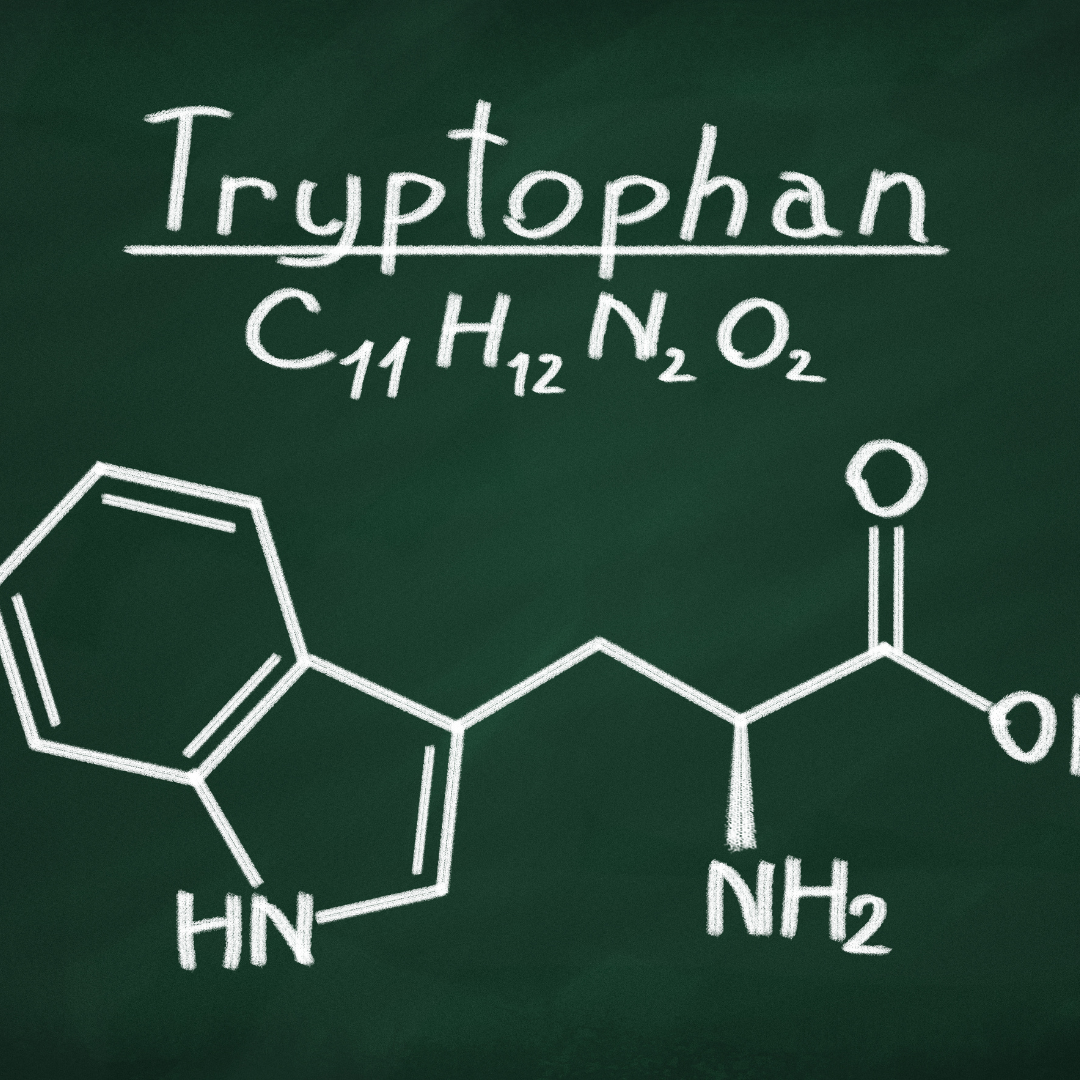

Tryptophan supplementation can be beneficial for people struggling with reduced mood, sleep disorders or stress. Tryptophan is an essential amino acid that plays an important role in the production of serotonin - a neurotransmitter responsible for our emotional state and sleep quality.
Tryptophan - what is that? How tryptophan works
Tryptophan, also known as L-Tryptophan, is an exogenous amino acid, which means that our body is not able to produce it independently and must be supplied with food. It is an important component of proteins in our body and plays a key role in the synthesis of many important biochemical compounds. The first and most important relationship in which the tryptophan participates in synthesis is serotonin - a neurotransmitter regulating mood, sleep and appetite. Serotonin, in turn, is a precursor of melatonin, a hormone that regulates the sleep and wakefulness cycle.Mechanism of action
The mechanism of Tryptophan's action is based on its transport through blood to the brain, where it is transformed into a 5-hydroxytryptophan (5-HTP). Then the 5-HTP is converted into serotonin, which plays a key role in the central nervous system, affecting mood, emotions and level of anxiety. Increased serotonin levels can lead to elevated melatonin production in the pineal gland, which is extremely important for the regulation of daily rhythm and sleep quality.What does tryptophan supplement?
Tryptophan supplementation can offer a number of health benefits, especially for people with a deficiency of this amino acid or disorders related to its metabolism. Below are the most important benefits:Mood improvement
Due to the impact on the synthesis of serotonin, tryptophan can be helpful in alleviating the symptoms of depression and improving the overall mood. Studies suggest that tryptophan is effective in the treatment of light to moderate depression episodes.Reduction of anxiety
Tryptophan supplementation can also help reduce anxiety. Higher serotonin levels are conducive to calming and improving general well -being.Better sleep quality
Thanks to the influence on the production of melatonin, tryptophan can improve the quality of sleep, which is particularly important for people suffering from insomnia or sleep disturbance.Support in combating PMS symptoms
In women, tryptophan supplementation can help alleviate the symptoms of premenstrual syndrome (PMS), such as irritability, fatigue and mood swings.Deficiency and excess tryptophan
A deficiency of tryptophan in the body can lead to a reduced level of serotonin, which may result in mood problems such as depression and anxiety, as well as deterioration of sleep quality. On the other hand, excess tryptophan, especially in the form of supplements, can cause undesirable side effects, such as nausea, diarrhea, headaches, and in extreme cases serotonin syndrome. That is why it is important that tryptophan supplementation is carried out in a controlled manner and as recommended by a specialist.When is the best time to take tryptophan? Tryptophan in the morning or in the evening?
The question "tryptophan in the morning or in the evening?" It often appears in the context of the optimal moment of supplementation. The answer to this question depends on therapeutic goals and individual needs of the body.- In the morning: Tryptophan taking in the morning can be beneficial for people who want to improve the mood and energy level during the day. Higher serotonin levels in the brain can translate into better mood and a higher level of activity.
- In the evening: Tryptophan supplementation in the evening is recommended for people with sleep problems. The influence of tryptophan on the production of melatonin can facilitate falling asleep and improve sleep quality.
How long can you take L-Tryptophan?
The safety and effectiveness of long -term tryptophan supplementation is well documented, but as with any dietary supplement, the rules of application should be individually adapted to the patient's needs and consulted with a doctor.- Short -term supplementation (up to 12 weeks) is usually safe and well tolerated, as shown in clinical trials.
- Long -term supplementation (over 12 weeks) requires a regular health assessment and possible dose modification. Prolonged use should always be consulted with a doctor.
After what time does tryptophan work?
The impact of tryptophan supplementation can be seen at different times, depending on the purpose and individual features of the body. Some patients experience the improvement of the mood and quality of sleep after a few days of use, while the full action of tryptophan usually becomes visible after 2-4 weeks of regular supplementation.Contraindications and precautions
With tryptophan supplementation, remember a few key contraindications and precautions. Tryptophan is not recommended for people with hypersensitivity to this amino acid. People taking antidepressants, especially from the group of Mao and SSRI inhibitors, should consult a doctor's supplementation to avoid the risk of serotonin syndrome. Pregnant and breastfeeding women should only use tryptophan under the supervision of a doctor.Summary
Tryptophan supplementation can bring many health benefits, including mood improvement, reduction of anxiety, better sleep quality and support in combating PMS symptoms. It is important, however, to adapt the dosage and time of admission to the individual needs of the body and consult supplementation with the doctor. Let's also remember about the regular assessment of health with long -term use of tryptophan.Sources
Clinical examination on the effectiveness of tryptophan in the treatment of depression. Scientific review regarding the influence of tryptophan on sleep quality. A review article regarding the safety of tryptophan supplementation.
Dietician
Karolina Dobrowolska-Zrałka
doktor nauk medycznych i nauki o zdrowiu, dietetyk kliniczny Absolwentka studiów I i II stopnia na kierunku dietetyka oraz doktorantka w Szkole Doktorskiej Uniwersytetu Medycznego we Wrocławiu
Więcej artykułów autoraLooking for a nutritious and filling meal?
Discover Supersonic Smart Meal! A nutritious meal you can prepare in seconds!

150 reviews


