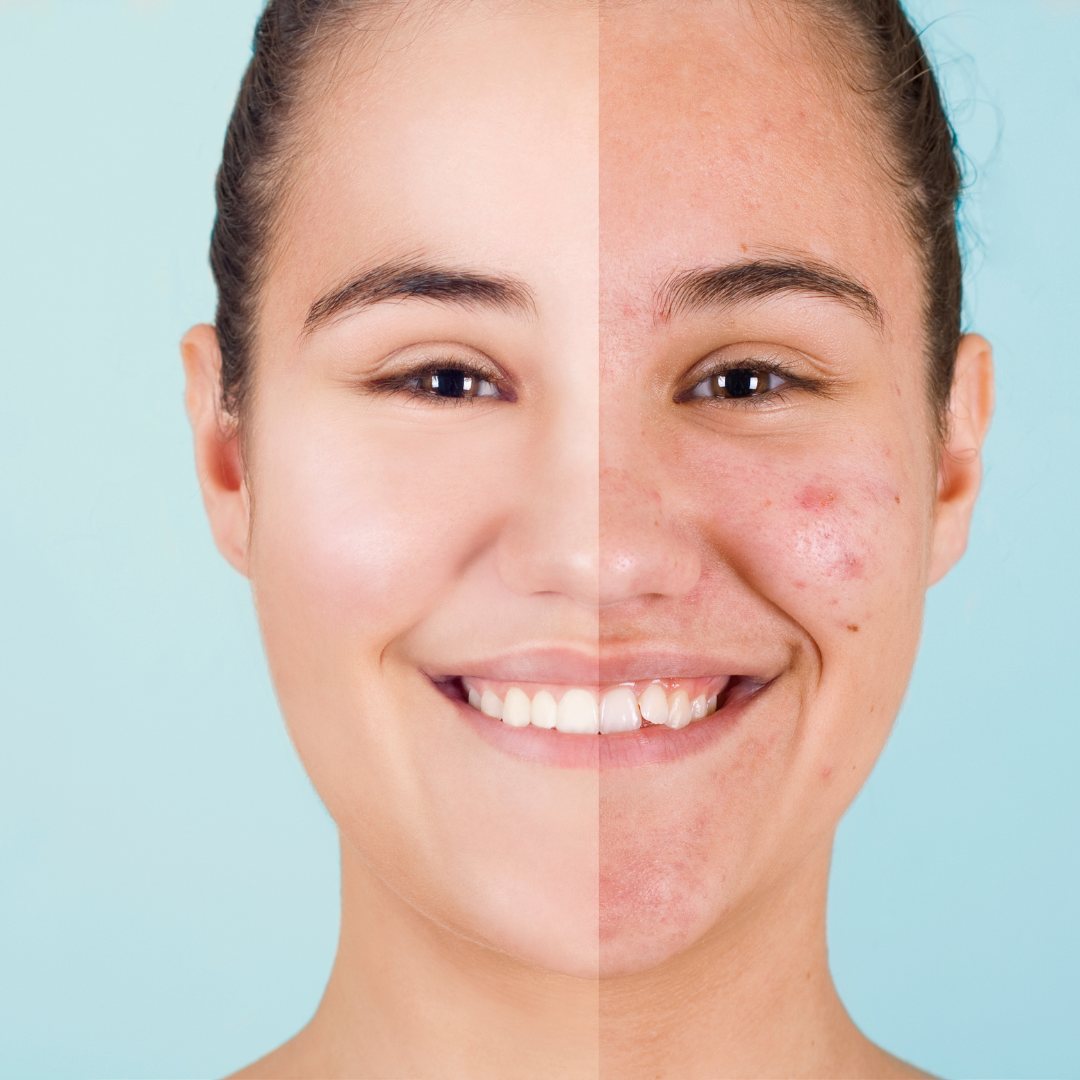

Acne, which is a common inflammatory dermatosis, is a problem affecting people of all ages, regardless of gender. Although the etiology of this disease is multifactorial - including both genetic, hormonal and environmental aspects - there is a growing number of evidence indicating the impact of lifestyle and diet on its course. In recent years, interest in dietary supplements as potential acne tools has increased.
What supplements are necessary for acne?
In the fight against acne, some dietary supplements have gained special recognition thanks to their anti -inflammatory, antioxidant and skin support properties. The most recommended include:- Vitamin A (retinol): An important ingredient for skin cell renewal. Studies indicate that low retinol may be associated with the severity of acne symptoms.
- Zinc: Known for its anti -inflammatory and antibacterial properties. Studying zinc supplements shows their effectiveness in reducing pimples.
- Vitamin D: Acts as a modulant of the immune system. Acne skin often shows deficiencies of this vitamin.
- Omega-3: Omega-3 fatty acids have the ability to reduce inflammation, which is crucial in acne therapy.
- Probiotics: Beneficial intestinal bacteria can affect skin health through immunological mechanisms.
Inflammation - acne and supplements
Inflammation is a key pathological mechanism in the development of acne. Supplementation can help reduce it in several ways. Polyphenols, found in green tea, turmeric or grapes, have strong anti -inflammatory properties. N-acetylocysteine (NAC), an amino acid supporting the production of glutathione, one of the most important antioxidants in the body, can also have a positive effect. Reducing inflammation can contribute to improving the appearance of the skin and reducing the number of pimples.Minerals and acne
Minerals such as zinc and magnesium play an important role in the health of the skin. Zinc supports the immune system and has anti -inflammatory properties, and its supplementation can help reduce sebum production and reduce inflammation. Magnesium, on the other hand, helps to reduce stress, which often intensifies acne. Providing the right amounts of these minerals by diet or supplementation can support acne treatment.Natural acne supplements
Natural supplements can also be effective in the fight against acne. For example, tea tree oil has antibacterial and anti -inflammatory properties, which can help soothe acne symptoms. Turmeric, thanks to its strong anti -inflammatory properties, is often used as a natural assistant to fight acne. Aloe Vera, known for its soothing and moisturizing properties, can help regenerate skin and reduce inflammation. The use of these natural supplements, both locally and orally, can be an effective complement to anti -acne therapy.Vitamins for acne - what vitamins to supplement?
Providing the body with appropriate vitamins is important to skin health.- Vitamin A: It is transformed into retinoids that regulate sebum production and cell renewal. Deficiencies of this vitamin can intensify acne symptoms.
- Vitamin E: A strong antioxidant that protects the skin against the harmful effects of free radicals. Studies show that people with acne often have lower levels of vitamin E.
- Vitamin C: Supports collagen production and anti -inflammatory. It is also important for the immune system.
Probiotics and acne
Intestinal health has a direct impact on skin health. Intestinal dysbiosis, i.e. disruption of the balance of intestinal microbiota, can contribute to acne. Probiotics can support skin health in several ways. First of all, they regulate the immune response, modulating the immune system and reducing inflammation. Secondly, they improve the intestinal barrier, which prevents toxin translocation that can intensify acne. Probiotics supplementation should be adapted individually, taking into account the type of bacterial strains and their doses.Omega-3 and acne
Omega-3 fatty acids, present in fatty fish, flax seeds or walnuts, are important in the context of skin health. They have an anti -inflammatory effect, which is particularly beneficial to treat acne. The research noted that people consuming more omega-3 have less severe acne symptoms^10. Omega-3 can be supplemented by:- Fish oil: rich in EPA and DHA, key omega-3 forms.
- Linseed oil: plant alternative, rich in ALA, which transforms into EPA and DHA.
Minerals and acne
Minerals such as zinc and magnesium play an important role in the health of the skin. Zinc supports the immune system and has anti -inflammatory properties, and its supplementation can help reduce sebum production and reduce inflammation. Magnesium, on the other hand, helps to reduce stress, which often intensifies acne. Providing the right amounts of these minerals by diet or supplementation can support acne treatment.Summary
Acne is a complex disease that requires a multi -faceted approach. Dietary supplementation can be an important element of therapy, supporting the action of traditional treatment methods. It is worth remembering, however, that each case of acne is different and supplementation should always be adapted individually. I encourage you to consult a dermatologist or dietitian before starting any supplementation.Sources
Melnik BC. Retinoid concentration in acne pathogenesis: retrospective study and hypothesis. J Cosmet Dermatol. 2016. ↩ Dreno B, Thiboutot D, Layton Am, Berson D. Clinical Signs and Symptoms of Acne Vulgaris in Teenagers and Adults: A Global Perspective. J am acad dermatol. 2011. ↩ King L, Baldock F. Vitamin D Status Could Contribute to the Development of Acne. Dermatoendocrinol. 2017. ↩ Kocolt-Glaser JK, Belurian has. Omega-3 Fatty Acids, Inflammation, and Acne Risk. Br J nutr. 2007. ↩ Bowe WP, Logan AC. Acne and gut microbiome: clarifying the role of probiotics in acne treatment. Gut Pathog. 2011. ↩ Chatterjee n, Bandyopadhyay A. Herbal Sources for Prevention and Treatment of Acne. Pharmacogn Rev. 2012. ↩ Johnson JV, Sibi MP. N-acetylcysteine in dermatology: A review. Dermatol Ther. 2020. ↩ Wolf R, Wolf D. The Treatment of Acne Vulgaris in the Elderly Using Vitamin E. Dermatology. 2015. ↩ Kober MM, Bowe WP. The Effect of Probiotics on Immune Functions and Chronic Inflamation in Acne. J am acad dermatol. 2017. ↩ Kiecolt-Glaser JK, Belura MA, Andridge R. Omega-3 Supplementation Lowers Inflamation and Anxiety in Medical Students: A Randomized Controlled Trial. Brain Behav Immun. 2011. ↩ Osiecki H., Margola A. Magnesium and Stress: A literature review. Nutrients. 2017. ↩
Dietician
Karolina Dobrowolska-Zrałka
doktor nauk medycznych i nauki o zdrowiu, dietetyk kliniczny Absolwentka studiów I i II stopnia na kierunku dietetyka oraz doktorantka w Szkole Doktorskiej Uniwersytetu Medycznego we Wrocławiu
Więcej artykułów autoraLooking for a nutritious and filling meal?
Discover Supersonic Smart Meal! A nutritious meal you can prepare in seconds!

150 reviews


