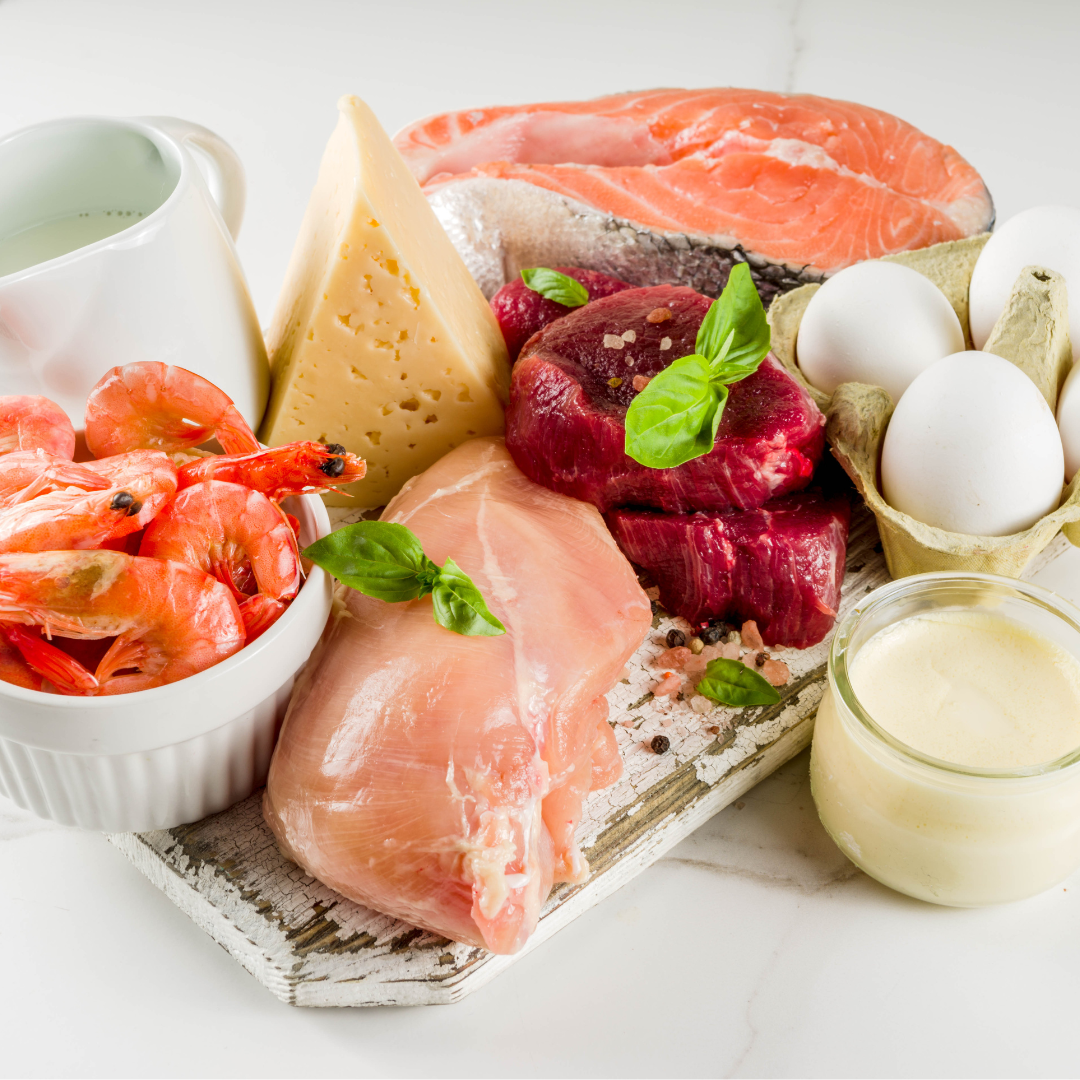

Protein plays an important role in the functioning of the body because it is the basic building material for our cells and tissues. The amino acids contained in proteins are necessary for many metabolic processes and muscle regeneration.
Protein in the diet - what does it matter?
Protein is one of the basic nutrient macronutrients necessary for the proper functioning of the human body. It consists of amino acids that play an important role in the construction, repair and maintenance of body tissues. In the structure of proteins, the most important are exogenous amino acids, i.e. those that we need to provide with food, because our body is not able to synthesize them independently. The importance of protein in the diet is multi -faceted:- Tissue building material: protein is a basic building block of muscles, skin, hair and many other tissues.
- Enzymes: many enzymes that catalyze metabolic reactions are proteins.
- Hormones: peptide hormones such as insulin are proteins.
- Transport of substances: protein participates in the transport of various substances, e.g. hemoglobin transfers oxygen.
What does protein in your diet? Advantages of consuming protein
Regular consumption of the right amount of protein brings a number of health benefits:- Supporting muscle structure and regeneration: Protein is important for physically active people, athletes and the elderly, with natural loss of muscle mass.
- Maintaining healthy skin, hair and nails: Keratin and collagen are structural proteins that play an important role in maintaining a healthy appearance.
- Support for the immune system: Proteins participate in the production of antibodies and other immune ingredients, which helps in the fight against infections.
- Control of metabolism and blood sugar levels: Enzymatic and hormonal proteins affect various metabolic processes, including blood sugar levels.
- Satiety and appetite control: Protein consumption can contribute to the feeling of satiety, which supports body weight control.
The amount of protein in the diet - what is the right one?
The recommended amount of protein in the diet depends on many factors, such as age, gender, level of physical activity and health. General nutritional recommendations indicate that daily protein intake should be about 0.8-1.0 g of protein per kilogram of body weight for adults and the elderly. Athletes need more protein, within 1.2-2.0 g per kilogram of body weight, depending on the intensity of training and purpose, for example, building muscle mass or regeneration. Pregnant and breastfeeding women should consume about 1.1-1.3 g of protein per kilogram of body weight, while children and adolescents need about 1.0-1.5 g of protein per kilogram of body weight, depending on the age and phase of growth. It should be remembered that both excess and protein deficiency in the diet can lead to various health problems, so it is important to maintain the right balance.What happens when you eat too little protein?
Protein deficiency in the diet can lead to many adverse health effects. Some of them are:- Muscle mass loss: The body begins to spread the muscles to get the necessary amino acids, which leads to muscle weakness.
- Weakening of the immune system: Reduced immunoglobulin production can weaken the body's ability to combat infection.
- Skin problems, hair loss: Deficiency of structural proteins can lead to problems with tissue regeneration, which affects the appearance of skin, hair and nails.
- Swelling: Protein deficiency can lead to a reduction in albumin production, which disturbs the balance of fluid in the body and leads to swelling.
Too much protein - effects
Although protein is important to health, its excessive consumption can have negative effects. Excess protein can lead to excessive kidney load, especially in people with existing nephrological problems. In addition, increased excretion of calcium in urine associated with high animal protein consumption may increase the risk of osteoporosis. Consumption of large amounts of protein, especially animal origin, can also lead to digestive problems such as constipation. What's more, some studies suggest that high-protein diets may be associated with a higher risk of cardiovascular disease, especially when the protein comes from fatty meats.Protein in the diet - what to eat? Products with lots of protein
To ensure the right amount of protein in the diet, it is worth reaching for various sources of protein. Here are some suggestions:Animal protein:
- Meat (chicken, turkey, beef, pork)
- Fish and seafood (salmon, tuna, shrimp)
- Eggs
- Dairy products (milk, yogurt, cheese)
Vegetable protein:
- Legumes (beans, lentils, chickpeas)
- Nuts and seeds (almonds, chia, flax, hemp)
- Tofu and soy products
- Cereals (quinoa, oats, amaranth)
Protein on a vegetarian diet - where can we find the most?
Protein on a vegetarian diet can be found in many different plant sources. The richest products in protein include legumes such as lentils, chickpeas and beans. Other perfect sources of protein are tofu, tempeh and seitan, which are popular meat substitutes. Nuts and seeds, such as almonds, black cumin and chia, also provide significant amounts of protein. Cereal products, in particular Quinoa and amaranth, are distinguished by a high content of this nutrient. Dairy products such as yogurt and cheese are another important source of protein in a vegetarian diet. It is also worth paying attention to vegetable proteins in the form of insulated protein powders, which can be a good complement to the diet.Protein in the diet of athletes
Athletes have increased protein demand due to intensive physical effort, which leads to greater muscle damage requiring repair. The inclusion of the right amount of protein in the diet is important for optimal regeneration and structure of muscle mass. The recommended daily protein consumption varies depending on the type of sport. For athletes practicing strength sports, it is recommended to consume 1.6-2.2 g protein per kilogram of body weight, while for those dealing with endurance sports, 1.2-1.4 g protein per kilogram of body weight. Athletes should also take care of high quality protein in the diet, choosing products rich in branched amino acids (BCAA), which have a particularly beneficial effect on the synthesis of muscle proteins.Sources:
Wolfe, R. R. (2006). The underappreciated roles of muscle in health and disc. The American Journal of Clinical Nutrition, 84 (3), 475-482. Phillips, S. M., & Van Loon, L. J. C. (2011). Dietary Protein for Athletes: From Requirements to Optimum Adaptation. Journal of Sports Sciences, 29 (SUP1), S29-S38. Pasiakos, S. M., McLellan, T. M., & Lieberman, H. R. (2015). The Efists of Protein Supplements on Muscle Mass, Strength, and Aerobic and Anaerobic Power in Healthy Adults: A Systematic Review. Sports Medicine, 45 (1), 111-131.
Dietician
Karolina Dobrowolska-Zrałka
doktor nauk medycznych i nauki o zdrowiu, dietetyk kliniczny Absolwentka studiów I i II stopnia na kierunku dietetyka oraz doktorantka w Szkole Doktorskiej Uniwersytetu Medycznego we Wrocławiu
Więcej artykułów autoraLooking for a nutritious and filling meal?
Discover Supersonic Smart Meal! A nutritious meal you can prepare in seconds!

150 reviews


