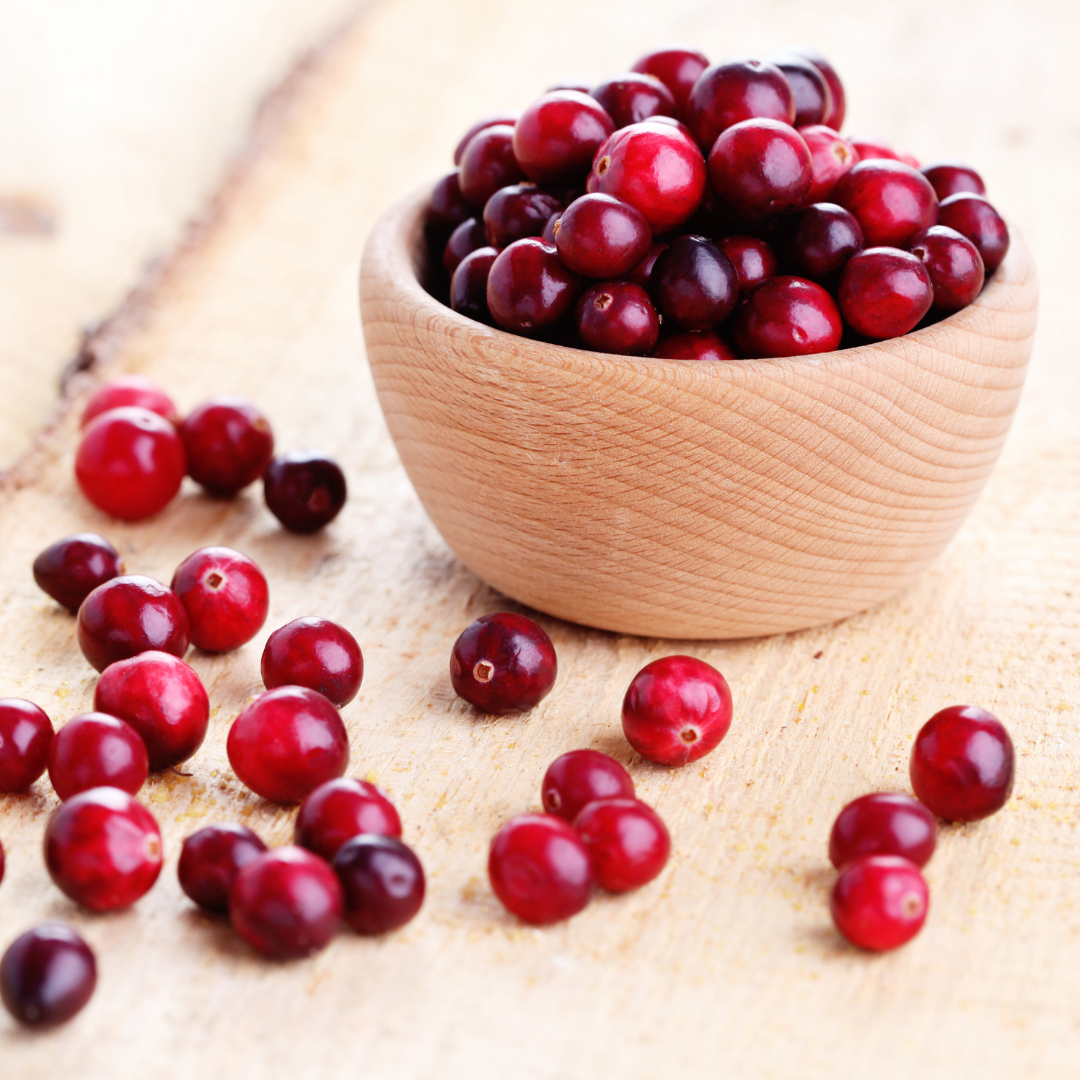

Cranberry is a fruit that has been recognizing for centuries both because of its characteristic taste and numerous health benefits. The fruits of this plant are rich in vitamins, minerals and strong antioxidants that play an important role in the prevention of many diseases.
Cranberry - properties
Cranberry (Vaccinium Macrocarpon) is a fruit rich in nutrients, which has been used for centuries both in dietitian and folk medicine. Cranberry, thanks to its numerous nutritional values, plays a significant role in the prevention and therapy of various diseases.Nutrients
Cranberry is a source of many valuable nutrients, including:- Vitamin C: Known for its antioxidant properties, supports immunity.
- Fiber: Supports the proper functioning of the digestive system.
- B group vitamins: Support metabolic changes and health of the nervous system.
- Polyphenols and flavonoids: They have antioxidant and anti -inflammatory potential.
Health properties
Cranberry contains numerous bioactive chemicals that affect a wide range of health functions. The properties of cranberry include:- Antioxidant effect - polyphenols help neutralize free radicals.
- Antimicrobial - Proantocyanidine (PAC) hinder bacteria adhesion to the bladder walls.
- Anti -inflammatory - cranberry can reduce inflammation in the body by supporting heart and cardiovascular health.
- Beneficial for the urinary tract - prevents urinary tract infections (IDM). Studies indicate that regular consumption of cranberries can reduce the risk of recurrent IDM.
How to use cranberry?
Cranberry can be introduced into the diet in many ways, it is available in raw, dried form, as juice, capsules and in various forms of processed food. Raw cranberry can be added to salads, muesli, smoothie or yogurt, while dried cranberry is ideal as a snack, an addition to baking, porridge or a mixture of nuts. Cranberry juice should be chosen without the addition of sugar to maximize health benefits, and capsules and tablets are available in pharmacies and health food stores as a dietary supplement. Cranberry can also be used in the kitchen, for example in a salad with cranberry and nuts, which is ideal as a light, nutritious dish, in cranberry smoothie as a nutritious drink at the beginning of the day, or in bread with dried cranberry, perfect for breakfast or snack.Dried cranberry or in tablets
Cranberry is available in many forms, including dried cranberries and dietary supplements in the form of tablets or capsules.Dried cranberry
Dried cranberry is a popular product that is easy to add to various dishes, it has a concentrated nutritional value and a wealth of fiber and antioxidants. However, dried fruits contain more sugar compared to fresh fruit, which is their significant disadvantage. In addition, dried cranberry often contains sugar additives, which can be problematic for people who care about the low level of consumption of this ingredient. It can also be difficult to digest in larger quantities, which is worth keeping in mind when planning it.Tablets and supplements
Cranberry supplements, especially popular among people with recurrent urinary tract infections, contain concentrated cranberry extracts that can bring numerous health benefits. They are easy to eat and do not contain a sugar add -on, which is their undoubted advantage. Nevertheless, these supplements can be more expensive than fresh fruit, and despite their beneficial properties, they do not replace full -fledged food, which is worth considering when planning your diet.Cranberry tea or cranberry tea
Cranberry tea and cranberry tea are alternative ways to enjoy the health benefits of this fruit.Cranberry tea
Cranberry tea, prepared from dried fruit, is a good source of antioxidants.- Preparation method: Pour boiling water over a handful of dried cranberries and steep for 10 minutes.
- Health Benefits: It supports the immune system, has anti-inflammatory properties, and may support urinary tract health.
Cranberry leaf tea
Cranberry leaves also have their benefits. They contain polyphenols and other bioactive compounds.- Preparation method: Brewing cranberry leaves is similar to herbal teas.
- Health Benefits: It has a diuretic effect, which may support kidney and bladder health.
What does cranberries cure?
Cranberries are widely known for their medicinal properties. Its main applications include:Urinary tract infections (IDM)
Cranberries are best known for their ability to prevent and treat IDM. Proanthocyanidins (PAC) contained in cranberries have an anti-adhesive effect, making it difficult for E. coli bacteria to attach to the walls of the urinary bladder.Heart diseases
Thanks to their antioxidant and anti-inflammatory properties, cranberries may support cardiovascular health. Regular consumption of cranberries can help reduce the level of "bad" LDL cholesterol and increase the level of "good" HDL.Digestive health
Cranberries can aid digestion and prevent constipation thanks to their high fiber content. Flavonoids present in cranberries may also reduce the risk of colon cancer.The immune system
The high content of vitamin C and other antioxidants means that cranberries support the functions of the immune system. Regular consumption can reduce the risk of infection and contribute to faster regeneration of the body.How many cranberries can you eat per day?
Cranberries, although rich in nutrients, should be consumed in moderate amounts. Too much can lead to health problems such as diarrhea and stomach irritation.Recommended daily dose
Thanks to the different forms of availability of cranberries, different consumption doses can be established:- Fresh cranberries: About 1 cup (150 grams) per day.
- Dried cranberries: About 1/4 cup (40 grams) per day, due to the higher concentration of sugars.
- Cranberry juice: About 1 glass (240 milliliters) a day, preferably without added sugar.
- Supplements: The dosage depends on the content of the extract in the capsules, but is usually around 300-400 mg per day.
Warnings and contraindications
Be careful to avoid excessive consumption of cranberries, especially when taking supplements. People taking blood thinning medications, such as warfarin, should consult a doctor before regularly consuming large amounts of cranberries to avoid potential interactions and health problems.Cranberries during pregnancy – how often can you eat them?
During pregnancy, cranberries can be a valuable addition to your diet due to their antioxidant properties and high fiber content. However, it is recommended to consume it in moderation. It is best to consult your doctor or dietitian to determine a safe amount of cranberries. In general, moderate consumption, such as a handful of fresh cranberries or a few tablespoons of dried fruit a few times a week, is usually considered safe for most pregnant women. It is worth avoiding excess as it may lead to digestive problems or interactions with dietary supplements and other medications.Cranberries and urinary tract infections
Cranberry is widely known for its beneficial properties in preventing urinary tract infections (UTI). It contains natural compounds such as proanthocyanidine (PAC), which can hinder bacteria, especially Escherichia coli, adhesion to the urinary tract walls. Thanks to this, the risk of infection can be reduced. Regular consumption of cranberries, in the form of fresh fruit, juice or supplements, is often recommended as part of the preventive strategy against recurrent urinary tract infections. It is important, however, to remember that cranberry does not replace conventional treatment methods and in the case of infection symptoms, you should always seek doctor advice and use prescribed antibiotics if required.Cranberry and diabetes
Cranberry can be a favorable addition to the diet of people with diabetes, but it requires caution and appropriate approach. Cranberry, especially fresh or dried without the addition of sugar, is a low -calorie fruit with a low glycemic index, which means that it does not cause rapid jumps in blood sugar. Nutrients and antioxidants present in cranberry can support metabolic health and strengthen the immune system. Here are some tips on how people with diabetes can consume cranberries:- Avoid sweetened products: Choose fresh or dried cranberry without the addition of sugar. Avoid cranberry juices, which often contain a lot of sugar.
- Skillful adding to the diet: Add cranberry to porridge, natural yogurt or salads to increase the nutritional value of meals without excessive effect on blood sugar levels.
- Portion control: Consume cranberry in moderate amounts. For example, one small handful of cranberry (about 30 grams) can be part of a healthy meal or snack.
- Regular monitoring: Monitor your blood sugar level to see how cranberry affects your body and adapt its consumption if necessary.
Cranberry for the heart
Cranberry can have a beneficial effect on heart health thanks to its antioxidant properties and the presence of fiber, vitamins and minerals.Antioxidant content
Cranberries are rich in antioxidants, such as flavonoids and proanthocyanidins, which can protect cells from oxidative damage. Antioxidants can help prevent atherosclerosis, i.e. the accumulation of atherosclerotic plaques in blood vessels.Inflammation reduction
Regular consumption of cranberries can help reduce inflammation in the body. Chronic inflammation is considered one of the risk factors for heart disease.Improvement of the lipid profile
Studies suggest that eating cranberry can help reduce the level of "bad" LDL cholesterol and increase the level of "good" HDL cholesterol. A balanced lipid profile is important for heart health.Impact on blood pressure
There is evidence suggesting that cranberry can support a healthy level of blood pressure thanks to the content of flavonoids and other bioactive compounds. Maintaining healthy blood pressure is important for the health of blood vessels and general heart health.Summary
Cranberry is an extremely valuable fruit that is assigned numerous health properties. Thanks to the content of numerous nutrients, such as vitamins, minerals and bioactive compounds, cranberry can play a significant role in the prevention and treatment of many diseases. Regular consumption of this fruit can bring benefits for the urinary tract, cardiovascular, digestive and immune. It is worth including cranberry in your daily diet, remembering to be moderate.Sources:
Howell, A. (2002). Cranberry Proanthocyanidins and ex-vivo anti-adhesion Activity Against UPathogenic Bacterial Isolarates. Journal of Molecular Nutrition & Food Research. Jepson, R. G., & Craig, J. C. (2008). Cranberries for preventing urinary tract infections. Cochrane database of systematic reviews. Ruel, G., et al. (2006). Evidence that cranberry juice may improve antioxidant status and decrease oxidative stress in end-stage renal failure patients. Journal of the American Dietary Association. Seeram, N. P., et al. (2004). Cranberry juice, phenolic content, and antioxidant capacity in humans. Journal of Nutrition. Vinson, J. A., et al. (2008). In-vivo protective effects of cranberry juice against oxidative stress. Experimental & Molecular Medicine.
Dietician
Karolina Dobrowolska-Zrałka
doktor nauk medycznych i nauki o zdrowiu, dietetyk kliniczny Absolwentka studiów I i II stopnia na kierunku dietetyka oraz doktorantka w Szkole Doktorskiej Uniwersytetu Medycznego we Wrocławiu
Więcej artykułów autoraLooking for a nutritious and filling meal?
Discover Supersonic Smart Meal! A nutritious meal you can prepare in seconds!

150 reviews


