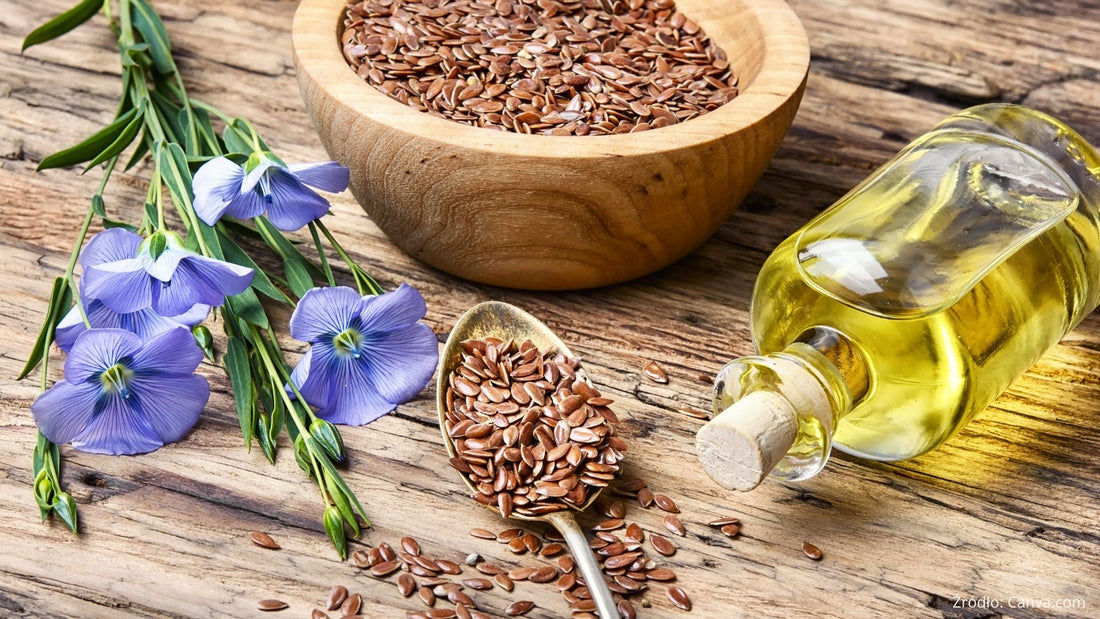

Linseed oil is one of the most valued vegetable oils, known for centuries of its numerous health -promoting properties. Rich in Omega-3 fatty acids, vitamin E and lignans, this oil is a valuable addition to the diet, supporting the health of the heart, nervous and digestive systems. Regular consumption of linseed oil can contribute to the improvement of general well -being, and also has a positive effect on the appearance of the skin and hair. In the following section, we will discuss in detail what health benefits linseed oil and how it can be used in a daily diet.
Linseed oil - what properties and health benefits does it have?
Linseed oil is valued primarily because of its unique health properties, which result from its unique composition. Omega-3 fatty acids are the main active ingredient in linseed oil, specifically alpha-linolenic acid (ALA), which accounts for as much as 50-60% of the fat content, including oil. Omega-3 acids are necessary for health, but the human body is not able to synthesize them independently, so they must be supplied with the diet. Linseed oil is also rich in lignans, compounds with antioxidant properties that can support the protection of the body against free radicals. Thanks to this, linseed oil can support heart health, reducing the risk of atherosclerosis and lowering cholesterol. The anti -inflammatory effect of linseed oil helps to alleviate inflammation, both internal and skin. Regular consumption of linseed oil can also have a positive effect on the functioning of the digestive system, supporting intestinal peristalsis and counteracting constipation.Linen oil for hair - how can it affect the condition and appearance of the hair?
Linseed oil is not only beneficial to internal health, but also has a lot to offer in the context of hair care. Thanks to the high content of omega-3 acids, vitamins and minerals, linseed oil can significantly improve the condition of the hair. Regular use of linseed oil on hair can prevent their brittleness, strengthen the hair structure and give them shine. Linseed oil is also an excellent moisturizer that can help in the fight against dry and damaged tips. One way to use linseed oil in hair care is to use it as a mask. Just apply a small amount of oil to damp hair, leave for about 30 minutes, then rinse thoroughly. Linseed oil can also be added to shampoos or conditioners to enrich them with additional nutrients. Thanks to its moisturizing properties, linseed oil can also be used on the scalp, helping to alleviate irritation and prevent dandruff.Linseed oil for drinking - how to consume and what can the effects be for the body?
Eating linseed oil can bring a number of health benefits, especially if it is consumed regularly. Linseed oil can be consumed in different ways - it is most often added to salads, smoothies, yogurt or muesli. It is important, however, that linseed oil is not undergoing heat treatment, because the high temperature destroys valuable omega-3 fatty acids, thus lowering its nutritional value. Regular consumption of linseed oil can help maintain a healthy cholesterol level, improve the functioning of the cardiovascular system and support the brain. In addition, linseed oil can improve the condition of the skin, helping in the fight against acne, psoriasis and other dermatological problems. It also has a beneficial effect on the endocrine system, which can be helpful especially for women during menopause.When to drink linseed oil - in the morning or evening? Optimal consumption time
Linseed oil can be consumed both in the morning and in the evening, and the choice of time of day depends on individual needs and health purposes. Eating linen oil in the morning on an empty stomach can support digestion and prepare the body for better absorption of nutrients during the day. It is also a good way to provide the body with energy and support for the brain and nervous system. In turn, consuming linseed oil in the evening can bring other benefits. Oil relaxing properties can help soothe stress and improve sleep quality. For people who have problems falling asleep or feel stress before bedtime, the evening consumption of linseed oil can be beneficial. Regardless of the chosen time of day, it is important to consume linseed oil regularly to fully use its health properties.Linseed oil - what can it help? Overview of potential therapeutic applications
Linseed oil has a wide therapeutic application and can be helpful in the treatment and prevention of many diseases. First of all, it is recommended for people with elevated cholesterol, because regular consumption of linseed oil can reduce LDL cholesterol, while increasing HDL cholesterol. Thanks to anti -inflammatory effects, linseed oil is also helpful in the treatment of autoimmune diseases such as rheumatoid arthritis. Linseed oil can also be used as a support for the digestive system, helping in the treatment of constipation and other digestive problems. Its anti -inflammatory properties can alleviate the symptoms of inflammatory bowel disease, such as Crohn's disease or ulcerative colitis. In addition, linseed oil is valued for its effects supporting skin and hair health, which makes it a popular ingredient in natural cosmetics.Summary
Linseed oil is an extremely valuable addition to the diet, which thanks to its unique properties can support health at many levels. Regular consumption of linseed oil, both internally and externally, can bring a number of health benefits, from improving the condition of the heart, through support for the digestive system, to a beneficial effect on skin and hair. It is worth remembering, however, that to achieve the best results is regularity and skillful inclusion of linseed oil in the daily diet.Sources
Calder, P. C. (2010). "Omega-3 fatty acids and inflamators processes." Nutrients, 2 (3), 355-374. DOI: 10.3390/NU2030355. Simopoulos, A. P. (2002). "The importance of the omega-6/omega-3 fatty acid ratio in cardiovascular disciease and other chronic disc." Experimental Biology and Medicine, 233 (6), 674-688. DOI: 10.1177/153537020223300610. Wolk, A., et al. (2001). "Dietary Intake of Long-Chain N-3 fatty acids and the risk of cardiovascular disc." American Journal of Clinical Nutrition, 74 (4), 577-585. DOI: 10.1093/AJCN/74.4.577. Calder, P. C. (2015). "Marine omega-3 fatty acids and inflammators processes: effectes, mechanisms and clinical relevance." BIOCHIMICA et Biophysica ACTA (BBA) - Molecular and Cell Biology of Lipids, 1851 (4), 469-484. DOI: 10.1016/J.BBalip 2014.10.008. Goyal, A., Sharma, V., Falls, N., Gill, S., & Sihag, M. (2014). "Flax and FlaxSeed Oil: An Ancient Medicine & Modern Functional Food." Journal of Food Science and Technology, 51 (9), 1633-1653. DOI: 10.1007/S13197-013-1247-9.
Dietician
Karolina Dobrowolska-Zrałka
doktor nauk medycznych i nauki o zdrowiu, dietetyk kliniczny Absolwentka studiów I i II stopnia na kierunku dietetyka oraz doktorantka w Szkole Doktorskiej Uniwersytetu Medycznego we Wrocławiu
Więcej artykułów autoraLooking for a nutritious and filling meal?
Discover Supersonic Smart Meal! A nutritious meal you can prepare in seconds!

150 reviews


