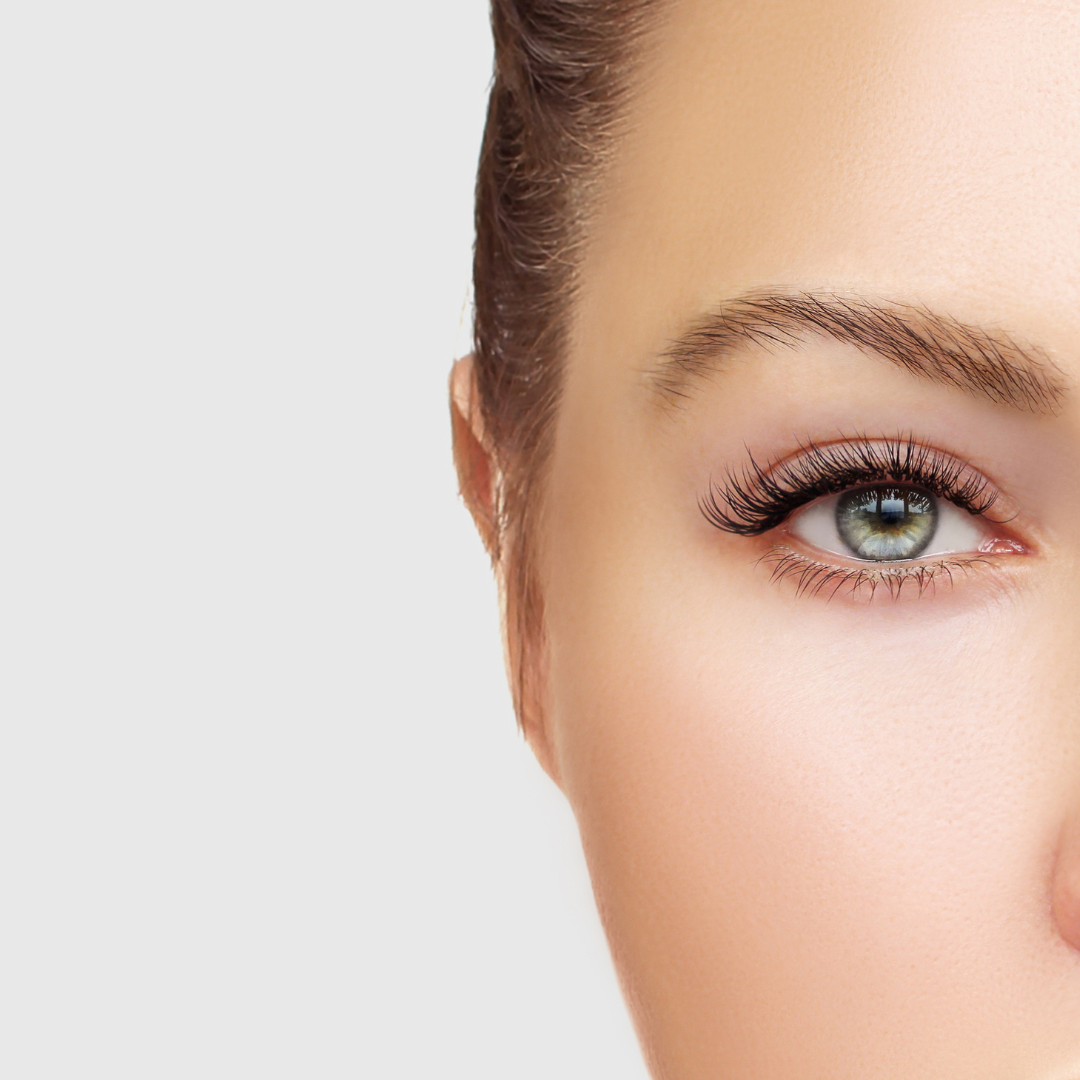

A medical skylight (Euphrasia officinalis), also known as a skylight herb, is a plant with a long history of use in natural medicine. Its health properties, especially in the context of eye health, are widely valued. In this article, we will present the most important information about the skylight, its health benefits, healing properties and practical instructions for use.
Skylight - a herb supporting eye health
A medical skylight is widely used to improve eye health. Traditionally, it is used to alleviate symptoms associated with conjunctivitis, eye irritation and eye fatigue. Its action results from the content of bioactive compounds that have anti -inflammatory and astringent properties.Skylight health benefits for the eyes
- Ragoning conjunctivitis - Thanks to the anti -inflammatory properties, the skylight can help to alleviate conjunctivitis, such as redness, itching and excessive tearing.
- Reduction of eye fatigue - The use of a skylight in the form of compresses or eye drops can help reduce eye fatigue, which often results from prolonged use of computer screens.
- Soothing irritation - The skylight can be helpful in alleviating eye irritation caused by pollen, dust or other irritating factors.
Skylight herb - application and health benefits
Volunteer herb is not only valued for its benefits for the eyes, but also for a wide spectrum of action for other health ailments.The use of a skylight in various ailments
Volunteer herb is used in the treatment of various ailments, including respiratory ailments, coughing, colds and sinus problems, thanks to its anti -inflammatory and expectorant properties. In addition, a skylight used externally in the form of compresses can help in the treatment of skin inflammation such as acne or eczema. In folk medicine, the skylight was also used to support digestion and treating stomach ailments, which makes it a versatile herb with a wide spectrum of applications.
Health benefits related to the use of a skylight
The skylight is rich in flavonoids that have strong anti -inflammatory and antioxidant properties. Thanks to this, it can support the body's overall resistance and help in combating free radicals that contribute to the aging and development of chronic diseases.Skylight herb - healing properties and effects on the eyes
The skylight contains a number of active ingredients that contribute to its healing properties. These include flavonoids, tannins, iridoids, phenolocations and essential oils.The mechanism of the skylight action on the eyes
The skylight has anti -inflammatory, which helps to reduce swelling and redness of the eyes. Its astringent properties help reduce mucus and tears, which is particularly beneficial for conjunctivitis. The compounds contained in the skill, such as aucubin, also have antibacterial and antiviral effects, which can support the treatment of eye infections.- Flavonoids: They have anti -inflammatory and antioxidant.
- Tannins: Have astringent and anti -inflammatory properties.
- Iridoids: They have antibacterial and antiviral.
- Essential oils: They have an antiseptic and soothing effect.
Volunteer herb - What are the different ways to use to support eye health?
A medical skylight can be used in various forms to support eye health. Each form has its own unique advantages and can be used depending on individual needs.Various forms of using a skylight
Infusions
The infusion of skylight herb can be used as a natural eyewash. Just brew 1-2 teaspoons of dried skylight in a glass of boiling water, leave to cool, and then strain and wash your eyes using a cotton wool.Compresses
Compresses made of skylight infusion can be used on closed eyelids to relieve irritation and reduce swelling.Eye drops
The skylight is often a component of natural eye drops that can be used to moisturize and alleviate irritation.Ointments
The skylight ointment, as already mentioned, is a practical means to use in the eye area.Dosage of skylight
The dosage of the skylight depends on the form in which it is used (infusion, eye drops, ointment) and the individual needs and health of the patient. In the case of an infusion of a skylight herb, brew 1-2 teaspoons of dried herb in 250 ml of boiling water, leave to cool, and then strain. The infusion can be used to wash your eyes or as a compress on closed eyelids, and also drink to alleviate respiratory or digestive ailments, 2-3 times a day. Eye drops containing skylight are available in pharmacies and health food stores. Usually, it is recommended to instill 1-2 drops for each eye 2-3 times a day, but before use you should always read the leaflet and consult a doctor or pharmacist. Volunteer ointment should be applied to the skin around the eyes, avoiding direct contact with the eyeball, usually 1-2 times a day in accordance with the manufacturer's recommendations.Overdose of the skylight
Overdose of skylight is rare, but it is always worth being aware of potential symptoms and be careful, especially when using herbal preparations in oral form. Potential symptoms of a skylight overdose may include eye irritation, which may result in the use of eye drops too frequently or washing the eyes with an infusion, which can lead to redness and baking. Consuming large amounts of tanker infusion can cause gastrointestinal problems such as nausea, vomiting or diarrhea. In rare cases, allergic reactions such as rash, itching or swelling may occur. In the event of such symptoms, you should immediately stop using and consult a doctor. To safely use a skylight, you should always use it as recommended by the manufacturer or phytotherapist, as well as consult a doctor before starting, especially if you have existing diseases or take other medicines.Summary
A medical skylight is an extremely valuable herb with a wide spectrum of health benefits, especially in the context of eye health. Its anti -inflammatory, antioxidant and astringent properties make it an ideal agent for soothing irritation, inflammation and eye fatigue. Regular use of a skylight in various forms, such as infusions, compresses or ointments, can contribute to improving eye health and general well -being.Sources
Blimenthal, M., Goldberg, A., & Brinckmann, J. (2000). Herbal Medicine: Expanded Commission e Monographs. American Botanical Council. Brown, D. J., & Dattner, A. M. (1998). Medical uses of botanicals. Alternative & Complementary Therapy. Wichtl, M. (2004). Herbal Drugs and Phytopharmaceuticals: A handbook for practice on a scientific basis. Medpharm Scientific Publishers.
Dietician
Karolina Dobrowolska-Zrałka
doktor nauk medycznych i nauki o zdrowiu, dietetyk kliniczny Absolwentka studiów I i II stopnia na kierunku dietetyka oraz doktorantka w Szkole Doktorskiej Uniwersytetu Medycznego we Wrocławiu
Więcej artykułów autoraLooking for a nutritious and filling meal?
Discover Supersonic Smart Meal! A nutritious meal you can prepare in seconds!

150 reviews
![Ranking kreatyny [2026] - TOP 10 produktów, które warto znać](http://supersonicfood.com/cdn/shop/articles/kreatyna-ranking_c1a64d3a-0854-4df3-8a54-c034300baab7.jpg?format=webp&v=1786623654&width=1100 "Ranking kreatyny [2026] - TOP 10 produktów, które warto znać")


