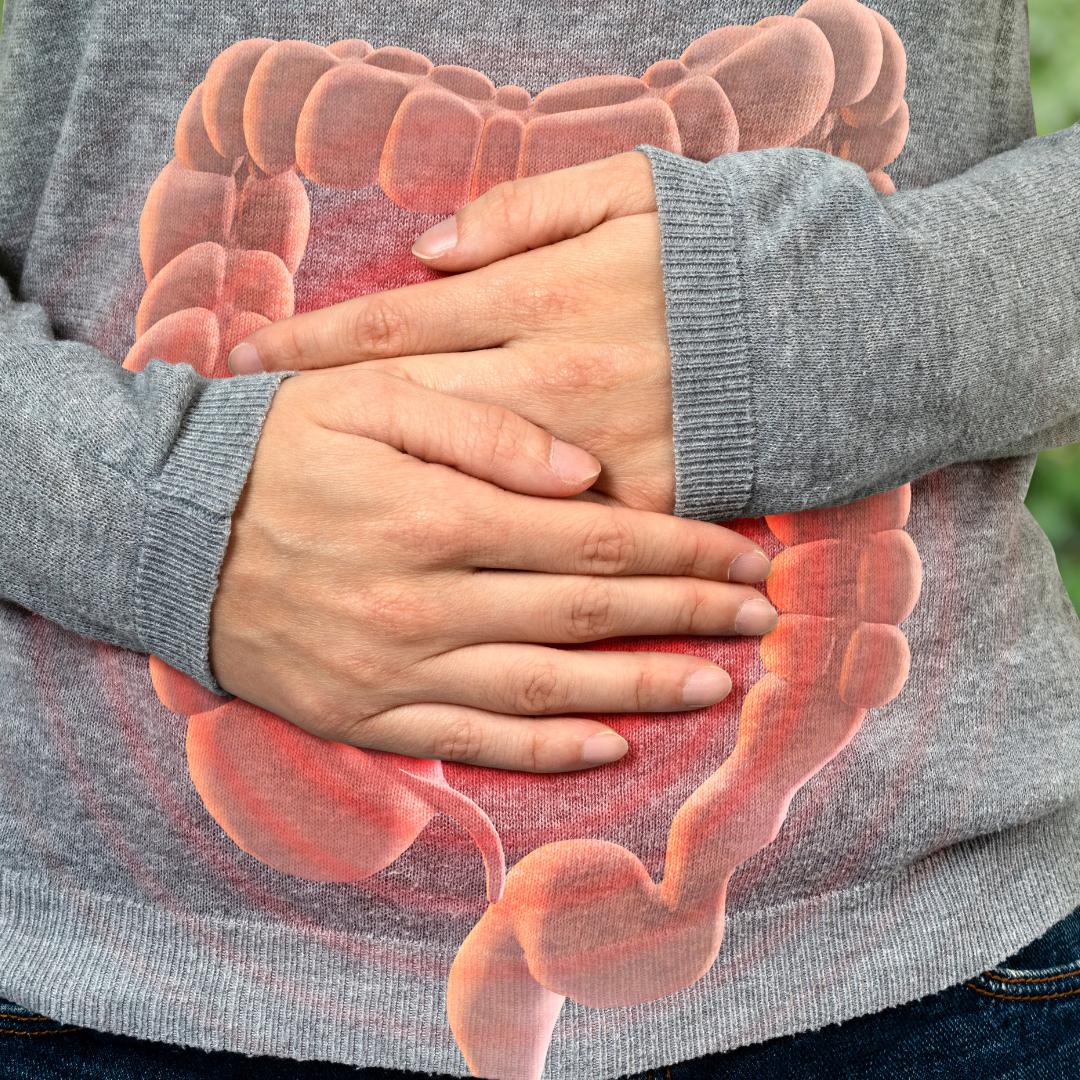

Ulcerative colitis (WZJG) is an inflammatory disease that affects the mucosa of the large intestine. It is characterized by chronic inflammation, which can lead to ulcers and numerous ailments such as abdominal pain and diarrhea. The disease has different degrees of severity and requires an individual approach to diagnostics and treatment.
What is ulcerative colitis?
Ulcerative colitis (colitis Ulcerosa, UC) is a chronic inflammatory intestinal disease that causes inflammation and ulceration of the colorectal mucosa. This disease is included in the group of non -specific bowel inflammation (IBD - Bowel Disease inflammators). Symptoms usually develop gradually, but in some cases they may appear suddenly and rapidly.Causes of increases - where does it come from?
The exact causes of ulcerative colitis are not fully understood. However, there are several theories about its etiology. WZJG seems to be a multifactorial disease resulting from a combination of genetic, environmental and immune factors.Genetic factors
People with a family history of ulcerative colitis have a greater risk of getting sick. Studies have shown that some genes may predispose to illness.Environmental factors
Lifestyle, diet and factors related to the environment can affect the risk of developing WZJG. Low hygiene and other infections can contribute to changes in the intestinal microbiome, which in turn can cause inflammation.Immune factors
The immune system plays an important role in the pathogenesis of WZJG. In the case of this disease, the immune system incorrectly attacks its own colorectal tissues, leading to chronic inflammation.Intestinal microbiome
The balance of microorganisms in the intestine (intestinal microbiome) is important to health. Microbiome disorders can lead to inflammatory bowel disease, including WZJG.Ulcerative colitis - symptoms
Symptoms of ulcerative colitis can be diverse and depend on the stage of the disease and the location of inflammatory lesions. The most common symptoms include:- Diarrhea - It is one of the most common symptoms and can be bloody. In advanced cases, diarrhea can lead to dehydration and electrolyte disorders.
- Abdominal pain - They are usually located at the bottom of the abdomen. Pain can be acute or blunt and is often associated with episodes of diarrhea.
- Fever - Inflammatory atan can lead to an increase in body temperature. Chronic fever can be an indicator of an exacerbation of the disease.
- Weight loss - results from disturbed absorption of nutrients and discouragement from eating due to pain and diarrhea.
- Tiredness - Chronic fatigue is a common symptom associated with chronic inflammation and nutritional deficiencies.
- Rectal bleeding - It can occur in the case of severe inflammation and colorectal ulcers.
Inflammation of the large intestine - recommendations, how to deal with it?
Coping with inflammation of the colorect requires a sustainable approach, including pharmacological treatment, lifestyle changes and diet. Doctors often prescribe drugs that reduce inflammation, such as aminosalicylates (e.g. mesalazine), corticosteroids or immunosuppressants. The diet plays an important role in managing the symptoms of ulcerative colitis (WZJG). Appropriate nutrition can help reduce inflammation and improve bowel function. It is recommended to avoid intestinal irritating products, such as caffeine, alcohol, greasy and spicy dishes. List of dietary recommendations- Eating fiber -rich foods, if tolerated.
- Eating small, frequent meals instead of large ones.
- Avoiding dairy products if lactose intolerance occurs.
- Keeping a food diary to identify and avoid trigger foods.
- Lifestyle - Stress can worsen the symptoms of UC, so it is important to use relaxation techniques such as yoga, meditation or regular physical activity.
- Regular follow-up visits - Regular consultations with a gastroenterologist are important to monitor the progression of the disease and the effectiveness of treatment.
UC - treatment. Can the disease be cured completely?
Ulcerative colitis is a chronic disease and currently there is no way to completely cure it. However, appropriate treatment and management of the disease can significantly improve patients' quality of life.Drug treatment
As already mentioned, various medications are used to control inflammation and symptoms. In case of severe exacerbations, corticosteroids are used, but they are not recommended for long-term use due to side effects.Biological therapies
These are modern drugs that target specific parts of the immune system to reduce inflammation. Examples include TNF-α inhibitors (e.g. infliximab) and anti-integrin drugs.Surgical treatment
In cases where drug treatment is ineffective, surgical treatment may be necessary. Colectomy (removal of the large intestine) is a last resort that can provide relief, but it involves major lifestyle changes.Summary
Managing ulcerative colitis requires understanding the disease, implementing appropriate treatment, and living a healthy lifestyle. Thanks to advances in medicine and biological therapies, UC patients can live full lives despite the chronic nature of the disease. However, early diagnosis and systematic medical care are important.Sources
Kornbluth A., Sachar D. B. Ulcerative Colitis Practice Guidelines in Adults. Gastroenterology, 2010. Ungaro R., Mehandru S., Allen P. B., et al. Ulcerative Colitis. Lancet, 2017. Turner D., Levine A., Escher J.C., et al. Management of Pediatric Ulcerative Colitis. Journal of Pediatric Gastroenterology and Nutrition, 2018.
Dietician
Karolina Dobrowolska-Zrałka
doktor nauk medycznych i nauki o zdrowiu, dietetyk kliniczny Absolwentka studiów I i II stopnia na kierunku dietetyka oraz doktorantka w Szkole Doktorskiej Uniwersytetu Medycznego we Wrocławiu
Więcej artykułów autoraLooking for a nutritious and filling meal?
Discover Supersonic Smart Meal! A nutritious meal you can prepare in seconds!

150 reviews


