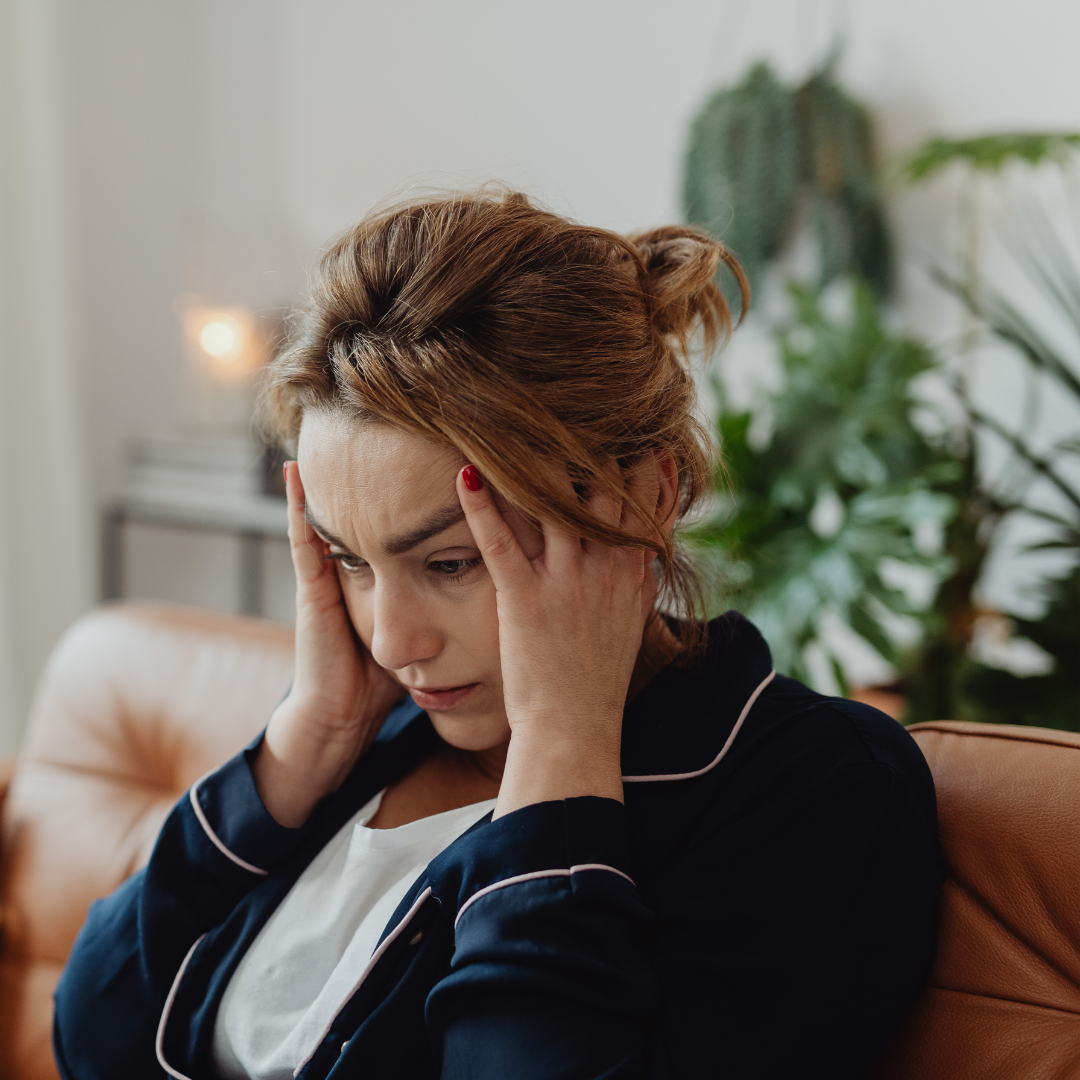

Stress is an integral part of our lives that can have serious consequences for physical and mental health. In today's world, full of challenges and tensions, the ability to deal with stress becomes an important aspect of maintaining balance and well -being. In this article I will present effective methods of dealing with stress, which can be used both at home and in situations requiring quick intervention. I will also focus on natural resources that can help reduce stress and more advanced techniques of strong stress management.
Home remedies for stress - simple methods of relaxation and reducing voltage
The house is a place where we should feel safe and comfortable. However, stress that accumulates during the day can also penetrate our home life. That is why it is important to introduce simple relaxation methods to your daily routine that will help reduce tension and regain peace.Aromatherapy
Aromatherapy is one of the oldest and most natural methods of coping with stress. It uses essential oils that affect our nervous system through inhalation or massage. Lavender oil, known for its calming properties, can help to alleviate the symptoms of stress and improve sleep quality. In turn, sandalwood oil, thanks to its relaxing properties, can help to achieve a state of deep relaxation.Relaxation baths
A warm bath with the addition of Epsom salt or essential oils can be a great way to relax after a hard day. Epsom salt, rich in magnesium, not only supports muscle regeneration, but also affects the nervous system, helping to reduce stress. Adding lavender or eucalyptus oil to bathing intensifies the relaxing effect, enabling deeper relaxation.Meditation and yoga
Meditation and yoga are practices that are aimed at calming down the mind and body by controlling breathing, concentration and stretching. Regular yoga practicing can reduce cortisol, stress hormone, as well as improve the overall emotional balance. Mindfulness meditation, which consists in focusing at the moment, helps to reduce negative thoughts and emotions, which in turn contributes to reducing stress.Music therapy
Music has an extraordinary power to influence our emotions. Listening to relaxing music, such as nature sounds or calm instrumental melodies, can significantly reduce stress levels and improve your mood. Music therapy is often used as a complementary method in the treatment of stress and anxiety, because it stimulates the nervous system for the production of endorphins, happiness hormones.Fast ways to stress - effective stress relief techniques during the day
Stress often appears in the least expected moments, so it's worth knowing a few techniques that can be used quickly and effectively, even during work or daily duties.- Breathing exercises - One of the simplest and fastest ways to reduce stress are breathing exercises. Method 4-7-8, developed by dr. Andrew Weila, is particularly effective in situations of sudden stress. It involves inhaling air for 4 seconds, stopping your breath for 7 seconds and slow breathing for 8 seconds. These types of exercises help calm the nervous system immediately and reduce tension.
- Stretching - Short stretching during the day, especially during a long sitting at the desk, can significantly reduce the level of muscle tone, which is often the result of stress. Simple stretching exercises, such as slopes, shoulder circulation or stretching of the neck, can improve blood circulation and release the tension accumulated in the muscles.
- Visualization techniques - Visualization is a technique that consists in imagining a peaceful place or situation that brings relief and relaxation. Closing your eyes and transferring your thoughts to the beach, to the forest or to the lake can help quickly reduce the level of stress. Visualization is particularly effective in moments of sudden tension when we need quick intervention.
- Breath - When stress begins to take control, it is worth finding a moment to stop and a deep breath. A few minutes devoted to focusing on breath and moving away from the source of stress can bring immediate relief. This technique is particularly useful in professional situations, where we do not always have the opportunity to rest longer.
Natural ways to stress - herbs, supplements and respiratory techniques as support in reducing stress
Many people are looking for natural methods of supporting the body in the fight against stress. Herbs, dietary supplements and respiratory techniques can be effective support in daily voltage and stress management. Herbal medicine has been used for centuries as a natural method of stress reduction. Among the most popular herbs with a calming effect, he is distinguished by lemon balm, known for its relaxation and sleeping properties. St. John's wort, thanks to the hypericin content, has antidepressant, which makes it helpful in alleviating stress and anxiety. Another noteworthy herb is Ashwagandha, also known as "Indian ginseng". Studies show that Ashwagandha can reduce cortisol, stress hormone, which contributes to reducing the tension felt. Regular use of this plant can support the body in better coping with everyday stress. In addition to herbs, dietary supplements play an important role in reducing stress. Magnesium, often called "anti -stress mineral", is necessary for the proper functioning of the nervous system. Magnesium deficiencies can lead to increased irritability and susceptibility to stress, which is why its supplementation can be recommended. Another important supplement are B vitamins, which play an important role in the metabolism of neurotransmitters. A deficiency of these vitamins can lead to problems with concentration, fatigue and severe stress. Breathing techniques, such as the 4-7-8 method, belong to the oldest and most effective ways to reduce stress. Breath control directly affects the work of the nervous system, helping to calm down and reduce tension. Regular devoting a few minutes a day to the practice of conscious breathing brings benefits not only in moments of increased stress, but also in the long run, improving overall resistance to stress.Ways for stress and nerves - strategies to deal with emotional tension and anxiety
Stress often goes hand in hand with emotional tension and anxiety, which can significantly reduce the quality of life. For this reason, it is extremely important to learn effective strategies to deal with these difficult emotions. One of the most effective methods in this area is cognitive-behavioral therapy (CBT). CBT focuses on identifying and changing negative mental patterns and behaviors that may intensify the feeling of stress. An example of this approach is working on irrational beliefs, which are often a source of anxiety and tension. Mindfulness, i.e. the practice of conscious presence, is another effective technique. It involves focusing at the moment and acceptance without assessing. Regular practice of mindfulness can lead to a significant reduction in stress levels, improvement in concentration and a general sense of happiness. Studies confirm that mindfulness has a beneficial effect on the reduction of symptoms of depression and anxiety, which makes this technique an extremely effective tool in the fight against stress. Relaxation techniques such as progressive muscle relaxation and autogenous training can also be helpful in reducing tension and stress. Progressive muscle relaxation involves systematic tension and loosening of individual muscle groups, which leads to deep relaxation. In turn, autogenic training, based on self -suggestion, allows you to achieve relaxation by concentrating on heat and weight in different parts of the body. In the case of severe stress, which often results from serious life difficulties or chronic problems, it may be necessary to use more advanced methods. It is worth considering a combination of several techniques and a lifestyle changes. Psychotherapy, especially cognitive-behavioral therapy, may be invaluable in dealing with deeper emotional problems and stress. Professional support allows you to identify stress sources and develop individual strategies to deal with them. Changing lifestyle is another element in the fight against strong stress. Regular physical activity, a healthy diet and the right amount of sleep have a direct impact on our ability to cope with stress. Moderate intensity physical exercises, such as jogging or swimming, help reduce cortisol levels and increase the level of endorphins, which supports the reduction of stress. The diet also plays an important role in stress management. Eating magnesium -rich products, such as nuts, spinach or bananas, helps in regulating the nervous system. In addition, omega-3 acids present in sea fish have anti-inflammatory effects and support mental health, which may reduce susceptibility to stress. In the case of chronic stress, it is important to introduce long -term management strategies. Regular practice of yoga, meditation and respiratory techniques can bring lasting benefits in the form of increased resistance to stress. In addition, the introduction of routine relaxation activities, such as reading, painting or outdoor walks, helps in daily reduction of tension and stress.Summary
Stress is an inseparable element of modern life, but it does not have to negatively affect our health and well -being. There are many effective methods of dealing with stress, from simple relaxation techniques used at home, to more advanced therapies and lifestyle changes. The key to success is finding the right methods and their regular use. Regardless of whether you prefer natural ways to stress, quick tension relief techniques, or need support in managing strong stress, it is important to act and not allow stress to take control of your life.Footnotes
Weil, A. (2015). Spontaneous Happiness. Little, Brown Spark. Kuczmierczyk, A. R., et al. (2018). "Effectiveness of aromatherapy in reducing stress levels in patients." Journal of Alternative and Complementary Medicine, 24 (1), 10-18. Smith, M. A., & Pukall, C. F. (2019). "Mindfulness-based stress reduction for the treatment of anxiety disorders." Research psychiatrist, 275, 106-113. Walker, A. F., et al. (2003). "Magnezium Supplementation and Stress Reduction: A Randomized, Double-Blind, Placebo-Controlled Trial." Nutritional Neuroscience, 6 (5), 331-339.
Dietician
Karolina Dobrowolska-Zrałka
doktor nauk medycznych i nauki o zdrowiu, dietetyk kliniczny Absolwentka studiów I i II stopnia na kierunku dietetyka oraz doktorantka w Szkole Doktorskiej Uniwersytetu Medycznego we Wrocławiu
Więcej artykułów autoraLooking for a nutritious and filling meal?
Discover Supersonic Smart Meal! A nutritious meal you can prepare in seconds!

150 reviews


