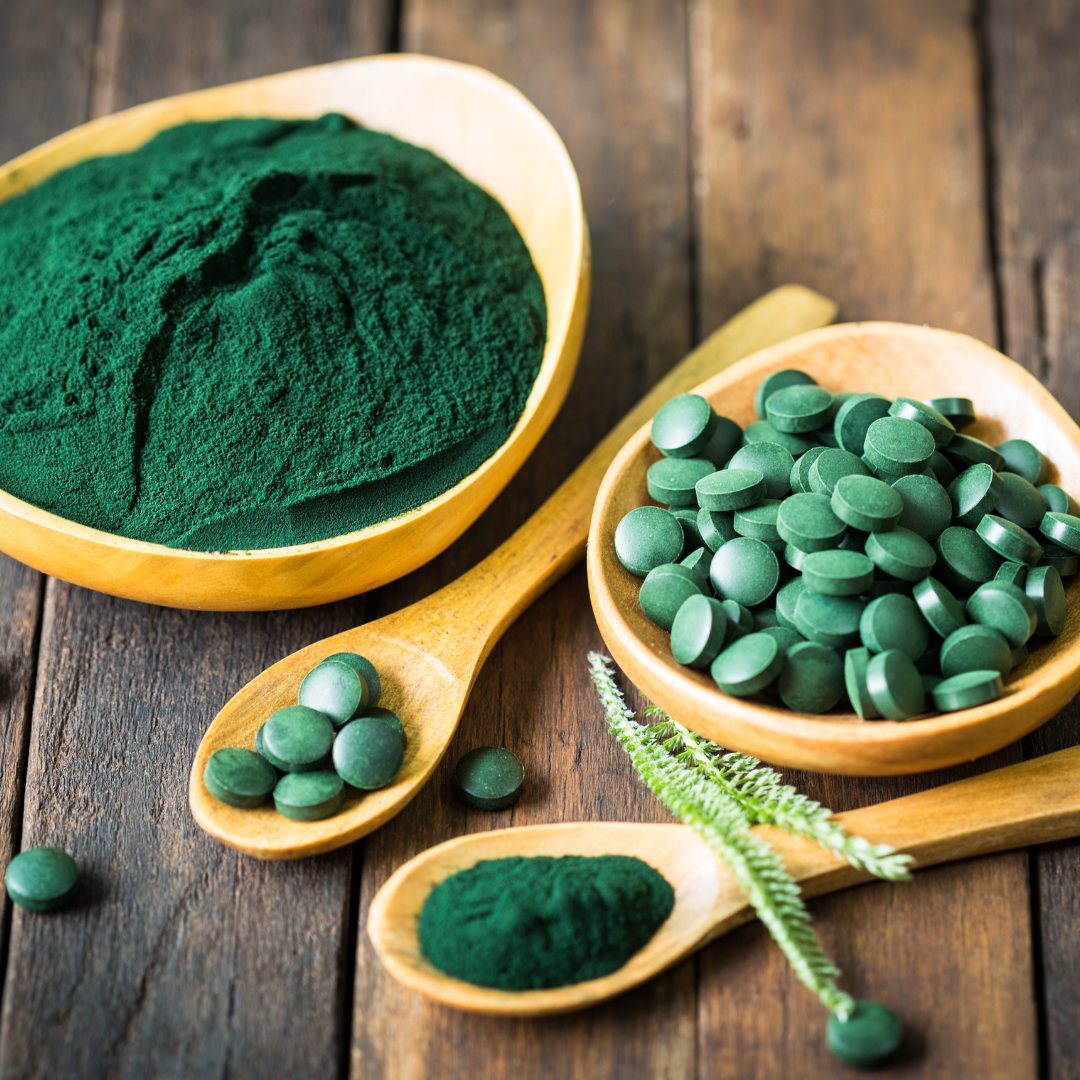

Nowadays, more and more attention is paid to a healthy lifestyle and a balanced diet. One of the products you gain at the restaurant is the so -called Super food, or spirulina. What exactly is spirulina? What are my health properties? What are its contraindications and applications? You will learn about all this from this article.
What is spirulina?
Spirulina is a microscopic algae of cyanobacteria (more precisely Arthrospira Platensis and Arthrospira Maxima), which has a characteristic green-blue color. This substance is a nutrient of the aquatic plant and is one of the oldest organisms on Earth, with unique biochemical and health properties.Chemical composition
Spirulina is rich in:- Protein - content 50% to 70% protein, which makes it one of the richest sources of vegetable protein.
- Vitamins - contains a high concentration of B vitamins, vitamins K, E and D.
- Minerals - content of large amounts of iron, magnesium, calcium, phosphorus, potassium and zinc.
- Antioxidant substances - chlorophyll, fixed, beta-carotene.
- Gamma-linolenic acid (GLA) - essential fatty acid supporting metabolic functions.
What does spirulina help? Indication and contraindication
Spirulina is considered a real health potion thanks to its unique pharmacological and preventive properties. It has a wide spectrum of activities on the body:Properties of the immune system
Bioactive ingredients of spirulina, such as fixation, support the production of many blood cells, which turned out to be a key role in defending the body against infections. Its strong and antiviral properties are also strengthened.Antioxidant properties
Spirulina neutralizes free radicals, which can reduce the risk of many diseases, including chronic ones. Antioxidants, such as beta-carotene, chlorophyll and phycocyanin, help protect cells against oxidative stress.Reduction of inflammation
Fatty acids, such as gamma-linolenic (GLA), have anti-inflammatory properties, which can be beneficial to reduce inflammation and autoimmune diseases. Spirulina helps to reduce inflammation, which can improve overall health.Improvement of the lipid profile
Regular consumption of spirulina can reduce LDL (so -called bad cholesterol) and increase HDL (good cholesterol). Ten effects support the health of the cardiovascular system and can prevent heart disease.Blood pressure regulation
Thanks to the presence of potassium and magnesium, spirulina can help in normalizing blood pressure. These ingredients support the health of blood vessels and heart rhythm regulation.Detoxification support of the body
Chlorophyll found in spirulina supports blood and liver cleansing of toxins. It helps remove heavy metal and other body molecules, which promotes general detoxification and improves liver functions.Improving intestinal health
Spirulina supports the health of the digestive system, the natural development of intestinal bacteria. You can also strengthen the intestinal barrier and reduce the risk of losing the Jelin.Energy increase and mental performance
Vitamins B contained in spirulina and iron and magnesium compounds can improve energy levels and mental performance. Spirulina is often used as a natural supplement to increase efficiency and regeneration after training.Contraindications for the use of spirulina
Despite numerous health benefits, spirulina is not suitable for everyone. Its consumption may be associated with some contraindications:People with phenylketonuria (PKU)
Spirulina contains a phenylalanine amino acid, which is harmful to people with phenylketonuria - a genetic metabolic disorder. Phenylketonuria means that the body is not able to properly process phenylalanine, which leads to its toxic accumulation in the body.Autoimmune diseases
Spirulina can stimulate the immune system, which can be unfavorable for people with autoimmune diseases, such as lupus, rheumatoid arthritis, Hashimoto's disease or multiple sclerosis. Increasing the activity of the immune system can exacerbate the symptoms of these diseases and intensify the autoimmune reaction.Persons allergic to iodine
Some spirulina strains may contain iodine, which is a problem for people with an allergy to this element. Iodine allergy can lead to serious allergic reactions, including swelling, rashes, and in severe cases to anaphylaxis.Pregnancy and breastfeeding
There is a lack of sufficient research on the safety of spirulina consumption during pregnancy and breastfeeding. Although some sources suggest its benefits, it is recommended to be careful and consult a doctor before consumption in these periods. Pregnant and breastfeeding women should particularly avoid non -cecetic or unverified spirulina supplements that may contain pollution.People with liver and kidney problems
People with existing liver or kidney diseases should be careful when consuming spirulina, because some sources suggest that excessive consumption may negatively affect the functioning of these organs. Consultation with a doctor is necessary before switching to spirulina into the diet.Drug interactions
Spirulina can affect some drugs, including immunosuppressive drugs, anticoagulants and drugs used to treat thyroid glands. People taking these drugs should consult a doctor before starting spirulina supplementation.Allergies and intolerances
Although rarely, some people may be allergic to spirulina or experience intolerance. Symptoms may include urticaria, abdominal pain, nausea, diarrhea and other gastrointestinal problems. In the event of such symptoms, you should immediately stop consumption and consult a doctor.Is spirulina healthy?
Analysis of spirulina properties indicates that it is a healthy and beneficial product for the body. The results of scientific research indicate a wide spectrum of benefits from its impact. The 2008 study showed that spirulina supplementation for 12 weeks helps to increase the level of blood serum lipids and reduces blood pressure in overweight and hypertension. The 2013 study confirmed the strong antiviral and anti -cancer properties of spirulina, which is associated with the presence of phyikocyanine. The 2016 meta -analysis covering 7 different studies published in "Clinical Nutrition" showed a significant improvement in the glycemic and lipid profile in obese -like people after spirulina supplementation. Many dietitians and doctors support the use of spirulina as a dietary supplement, arguing this with its nutrients and health benefits. However, it is always worth consulting a doctor before introducing a new supplement to the diet, especially in the case of people with chronic diseases. It should be remembered that despite numerous benefits, spirulina is not suitable for everyone and may have contraindications for some people, which is worth discussing with the doctor.What not to combine spirulina with?
Spirulina is valued for its health properties, but it's worth knowing what to not combine its supplementation with. Despite many advantages, spirulina can interact with some drugs and supplements, which can reduce its effectiveness or affect side effects. People treated with immunosuppressants should avoid spirulina, as it can act as an immunostimulant. Also, its anticoagulant properties may increase the risk of bleeding in people using anticoagulants such as warfarin. In addition, spirulina is rich in iron, which in combination with iron supplements can lead to its excess in the body. An important aspect is also the safety of the product itself: Spirulina, if it is inappropriate, can be contaminated with toxins, heavy metals or bacteria. Therefore, it is key to choosing licensed products from reputable producers.Spirulina - application
Spirulina is a kind of blue-green algae, which for centuries has been used as a valuable component of the diet due to their nutritional properties. Rich in protein, vitamins and minerals, has gained popularity as a superfood in many cultures.Practical application in dietetics
Dietary supplement
Spirulina is popularly used in the form of tablets or powder as a dietary supplement that supports the functioning of the body. It contains many valuable nutrients, such as protein, vitamins, minerals and antioxidants that help in daily health.Cocktail add -ons:
Spirulina can be added to smoothie, cocktails or juices, which allows you to enrich the drink with valuable nutrients without changing its taste. It is a great way to increase the nutritional value of morning or afternoon drinks.Culinary recipe
Spirulina can also be added to various dishes, such as soups, sauces or salads, which not only increases their nutritional value, but also gives an attractive green color. Spirulina fits perfectly with vegetables, fruits and vegetable protein.Dosage of spirulina
The spirulina dosage may vary depending on the individual needs and form of the product, but the generally recommended dose oscillates around 1-3 grams a day, i.e. about 1 teaspoon of powder or several tablets. In the case of people starting supplementation, it is worth starting with a smaller portion, for example 500 mg to 1 gram per day, and gradually increase it so that the body has time to adapt. In the case of specific needs, such as intensive physical efforts or supporting the weight loss process, the dose may be slightly higher, up to 10 grams a day, but it is always worth consulting a doctor or dietitian before starting supplementation at a higher level. Regardless of the form, spirulina is best consumed during meals or right after, which can help in better absorption of nutrients and minimize the risk of stomach ailments.How to introduce spirulina into a diet?
Breakfast - Add spirulina to your morning smoothie or porridge. Thanks to this, you will provide your body with the necessary nutrients for a good start to the day. Lunch - Blend spirulina with avocado and cottage cheese to create a healthy vegetable dip. It's an easy and tasty way to enrich the meal with protein and vitamins. Dinner - Don't forget about spirulina as a spice for soups or pasta. Add it at the end of cooking to keep its nutritional value and at the same time enrich the taste and appearance of the dishes. The inclusion of spirulina in the daily diet can bring numerous health benefits, and its culinary versatility makes it easy to adopt it in various recipes.Tips for choosing a good spirulina on the market
It is worth checking if spirulina has a quality certificate such as USDA Organic, which indicates its purity and lack of threats. An important aspect is also a country of origin - it's best to choose spirulina from countries with strict regulations regarding algae breeding, such as the USA or Japan. It is necessary to pay attention to the composition of the product and avoid those that contain additional chemicals, fillers or dyes. Viewing user reviews and specialists' opinions can also be extremely helpful in assessing the quality and effectiveness of a given product.Sources
Karkos, PD, Leong, SC, Karkos, CD, Sivaji, N., & Assimakopoulos, DA (2008). Spirulina in clinical practice: based on evidence of use in humans. Evidence-Based Complementary and Alternative Medicine, 5 (1), 112-117. Mao, TK, Van de Water, J., & Gershwin, Me (2005). Impact of a dietary supplement based on spirulina on cytokines in patients with allergic rhinitis. Journal of Medicinal Food, 8 (1), 27-30. Ku, CS and PHM, TX (2013). Impact of a spirulina diet on the metabolism of cholesterol in plasma lipoproteins and tissues in rats. Journal of Nutritional Biochemistry, 4 (24), 1160-1165. Harnack, L., Oakes, JM, Elbel, B., Beatty, S., Rydell, S. and French, S. (2016). The impact of spirulina on body weight, glucose control and serum lipid profile in overweight and hyperglycemia people: systematic review and meta -analysis. Clinical Nutrition, 35 (4), 647-653.
Dietician
Karolina Dobrowolska-Zrałka
doktor nauk medycznych i nauki o zdrowiu, dietetyk kliniczny Absolwentka studiów I i II stopnia na kierunku dietetyka oraz doktorantka w Szkole Doktorskiej Uniwersytetu Medycznego we Wrocławiu
Więcej artykułów autoraLooking for a nutritious and filling meal?
Discover Supersonic Smart Meal! A nutritious meal you can prepare in seconds!

150 reviews


